
 USD
USD GBP
GBP
 EUR
EUR
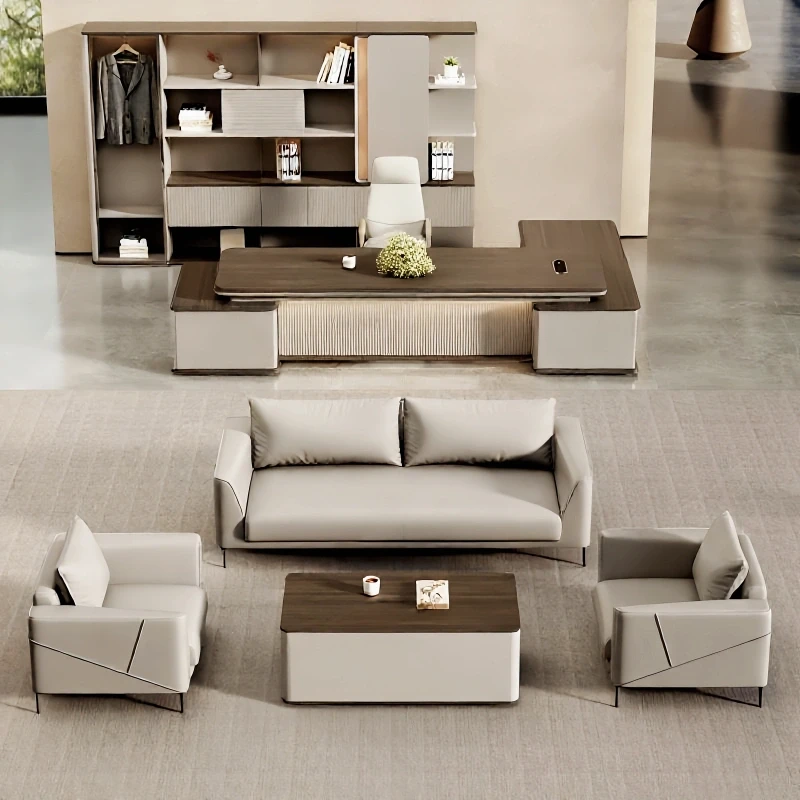
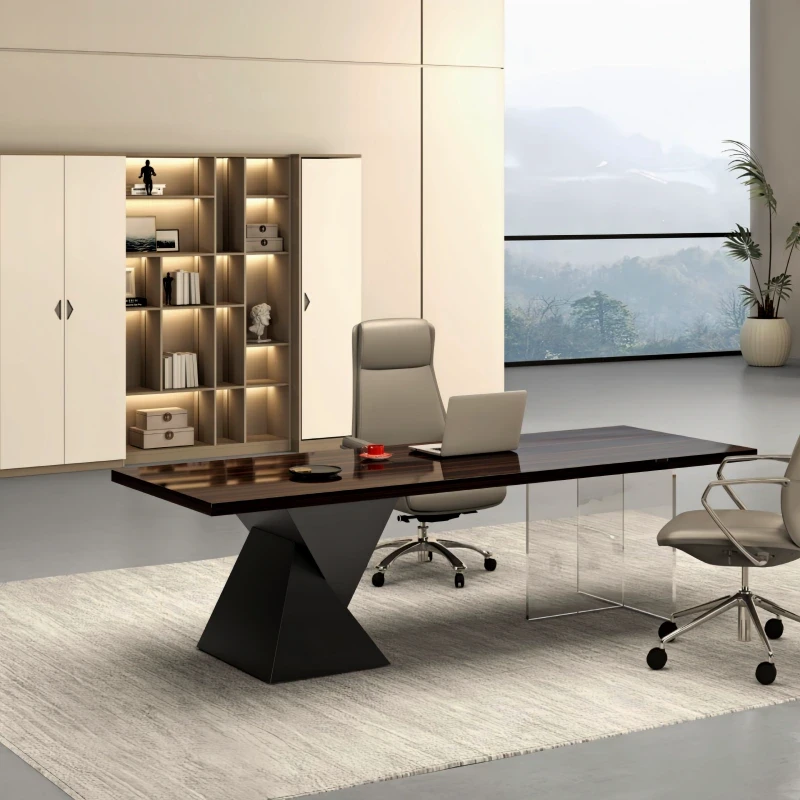


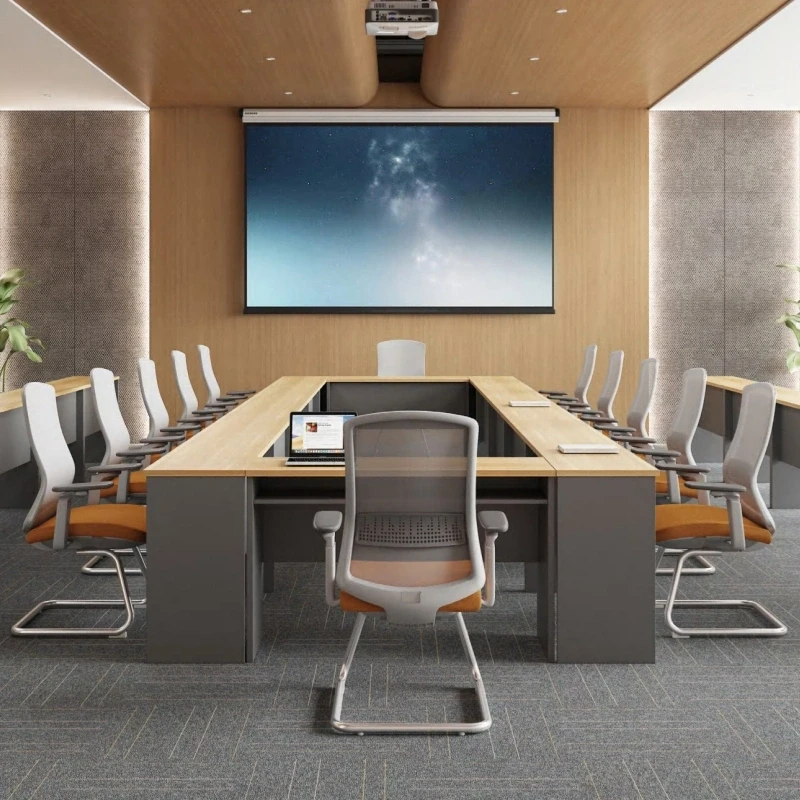
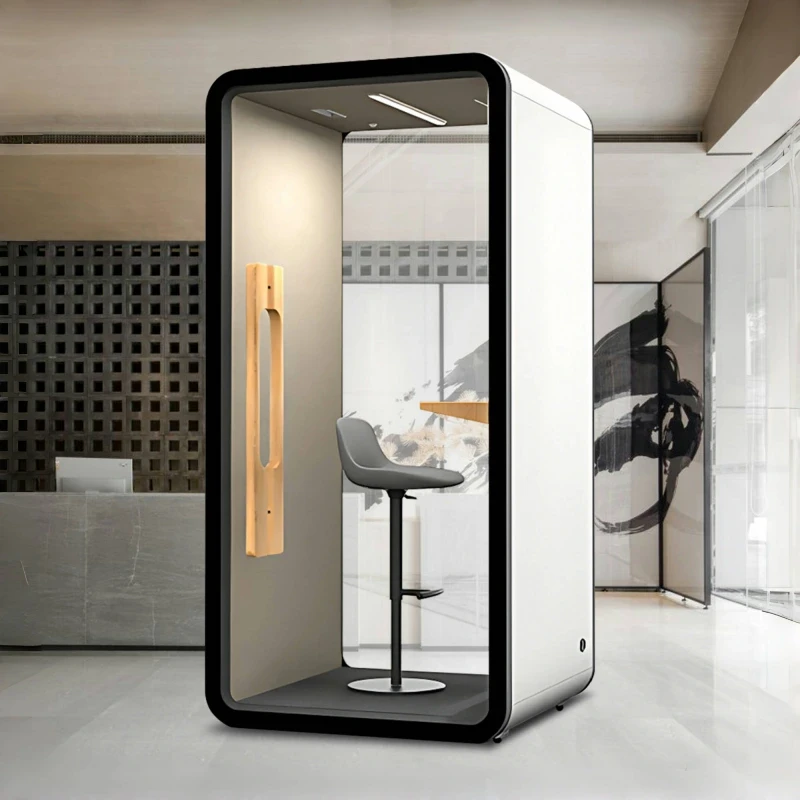
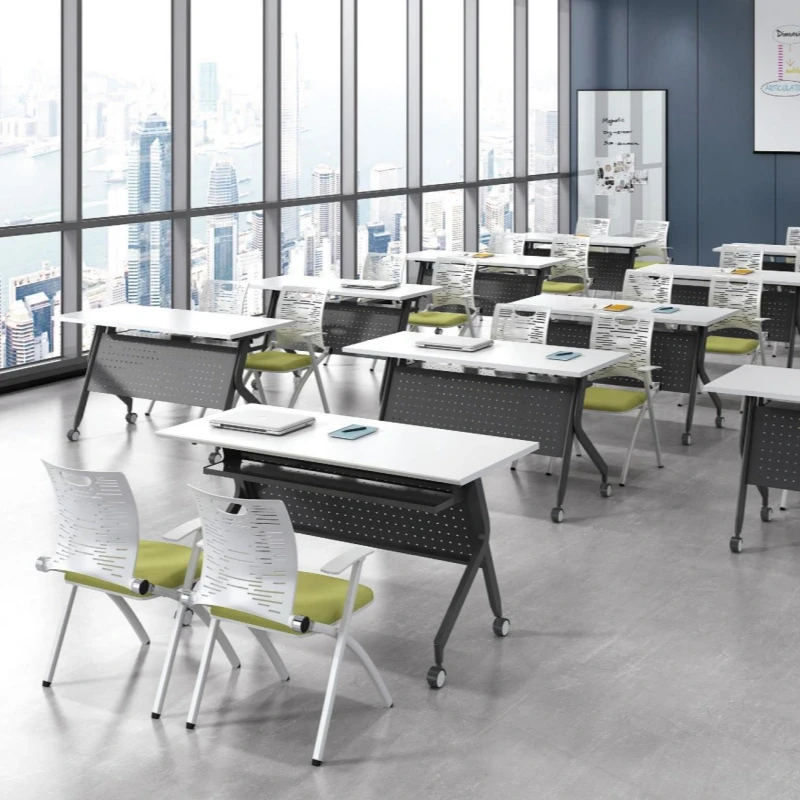
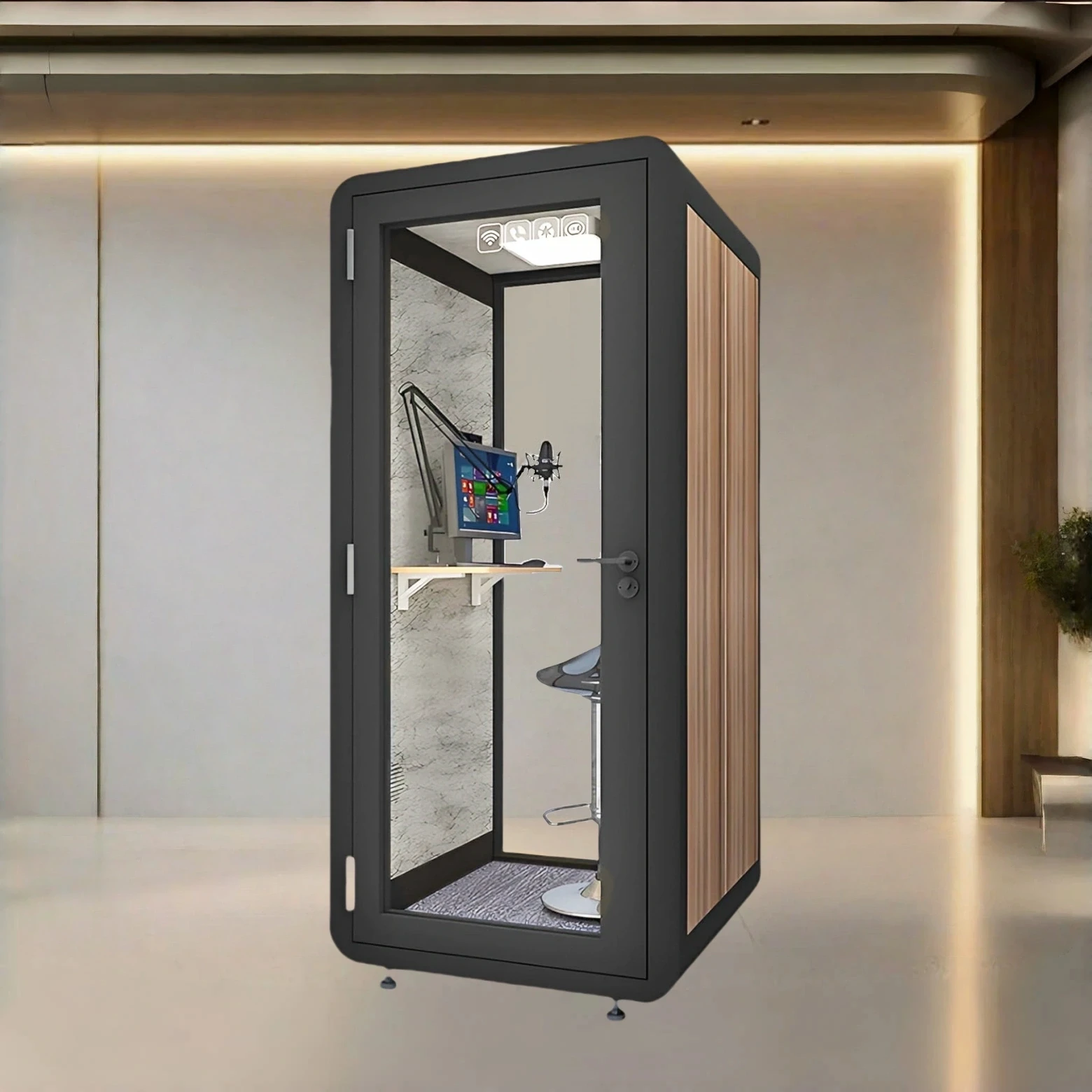
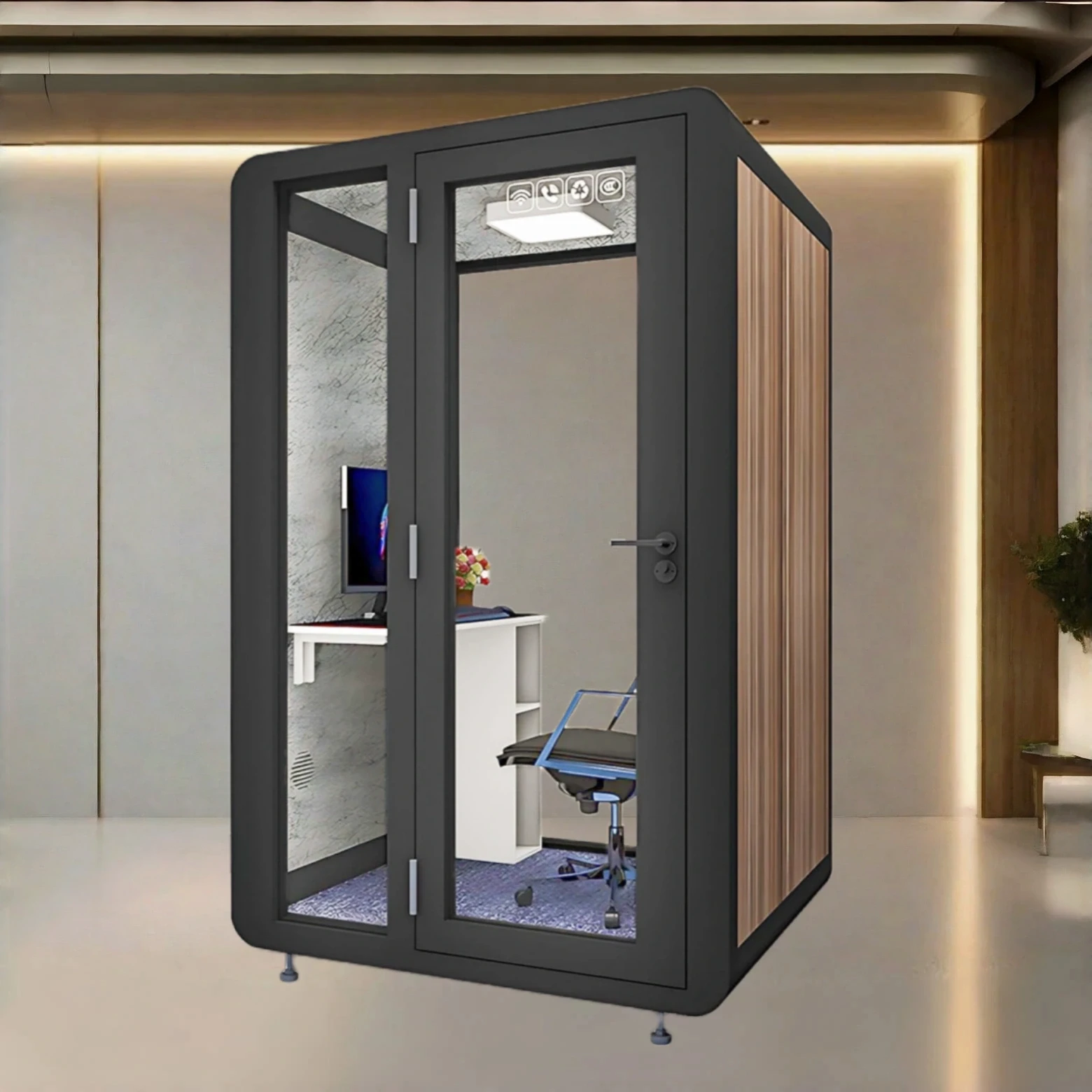
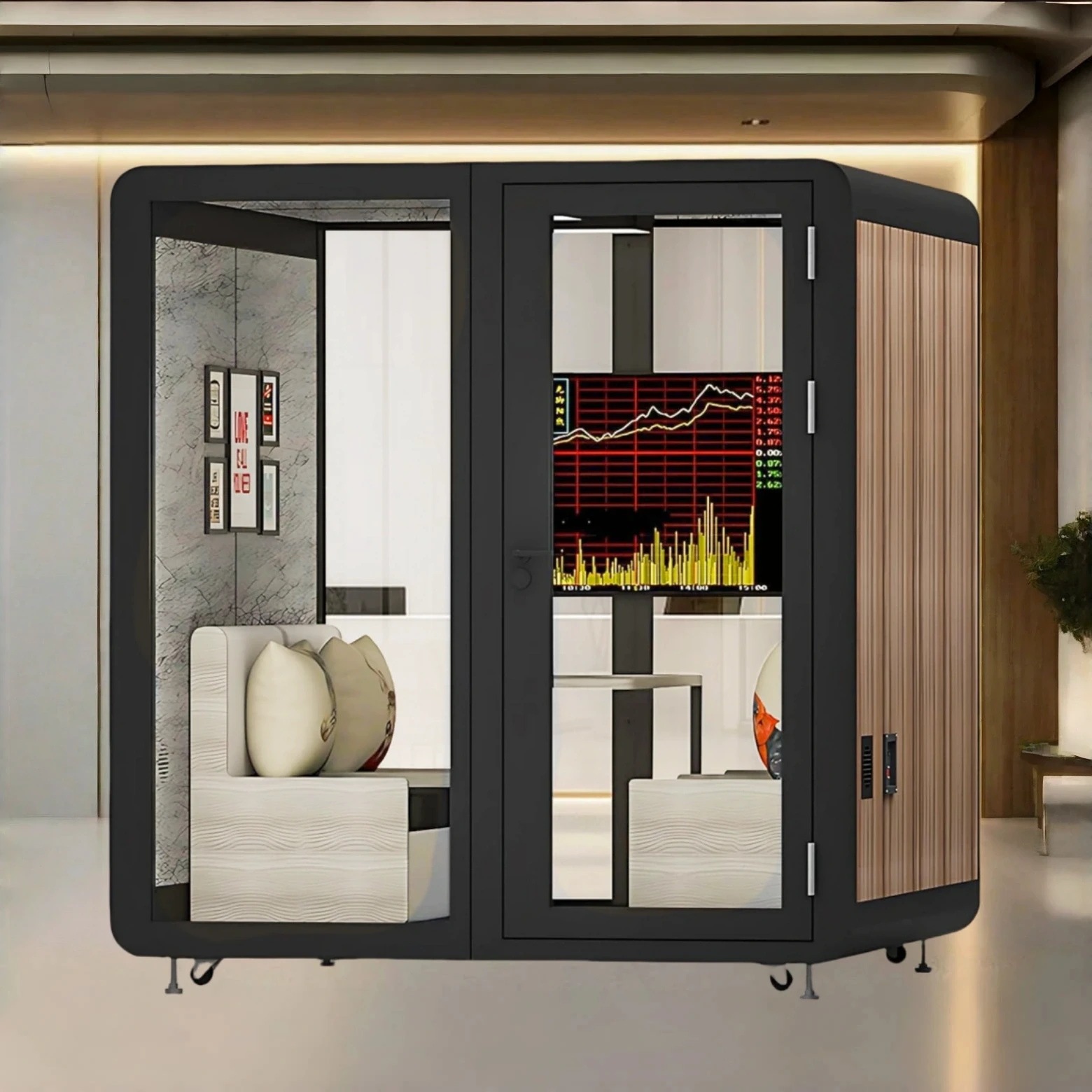
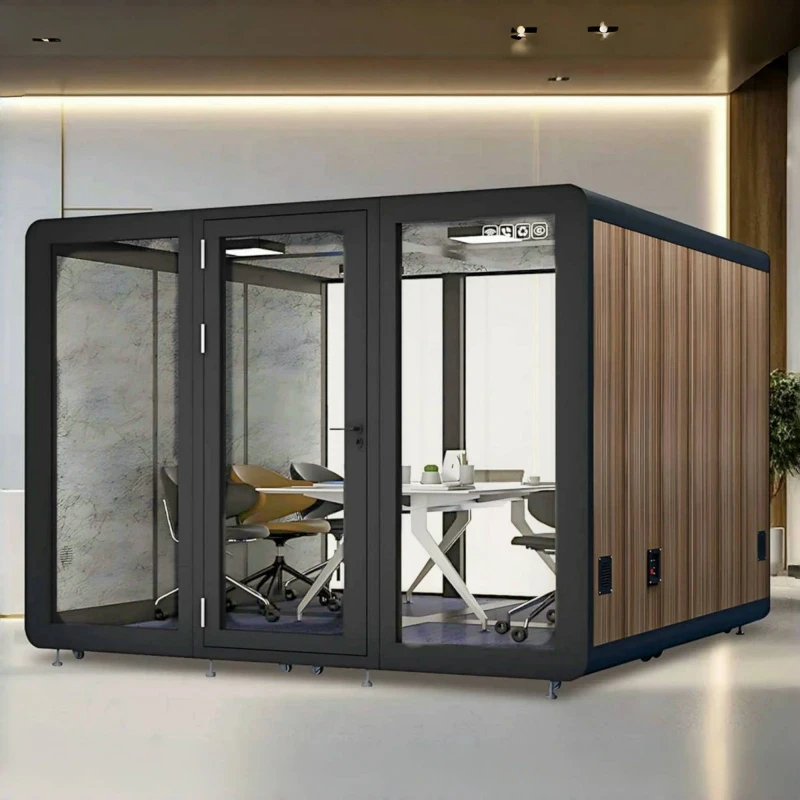
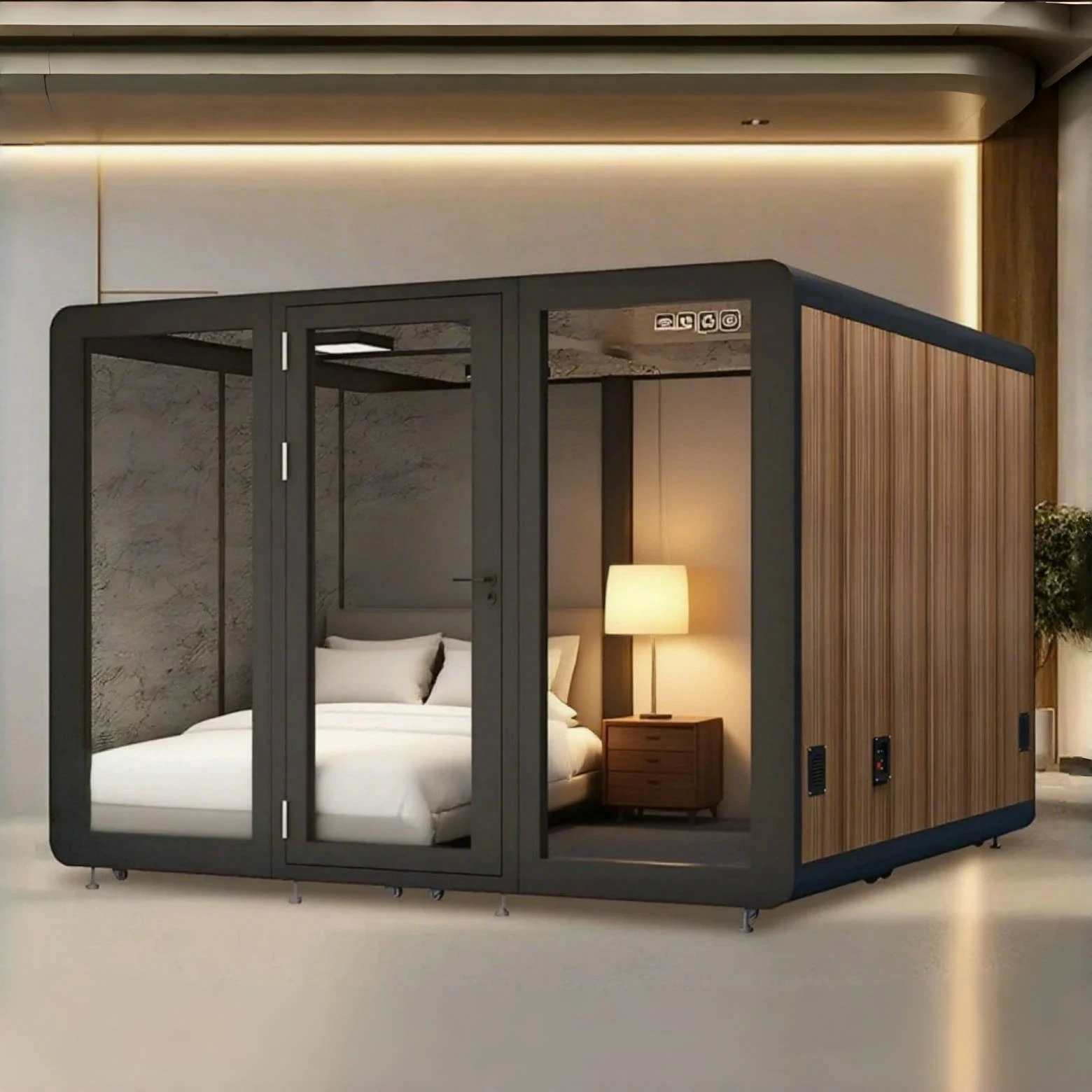


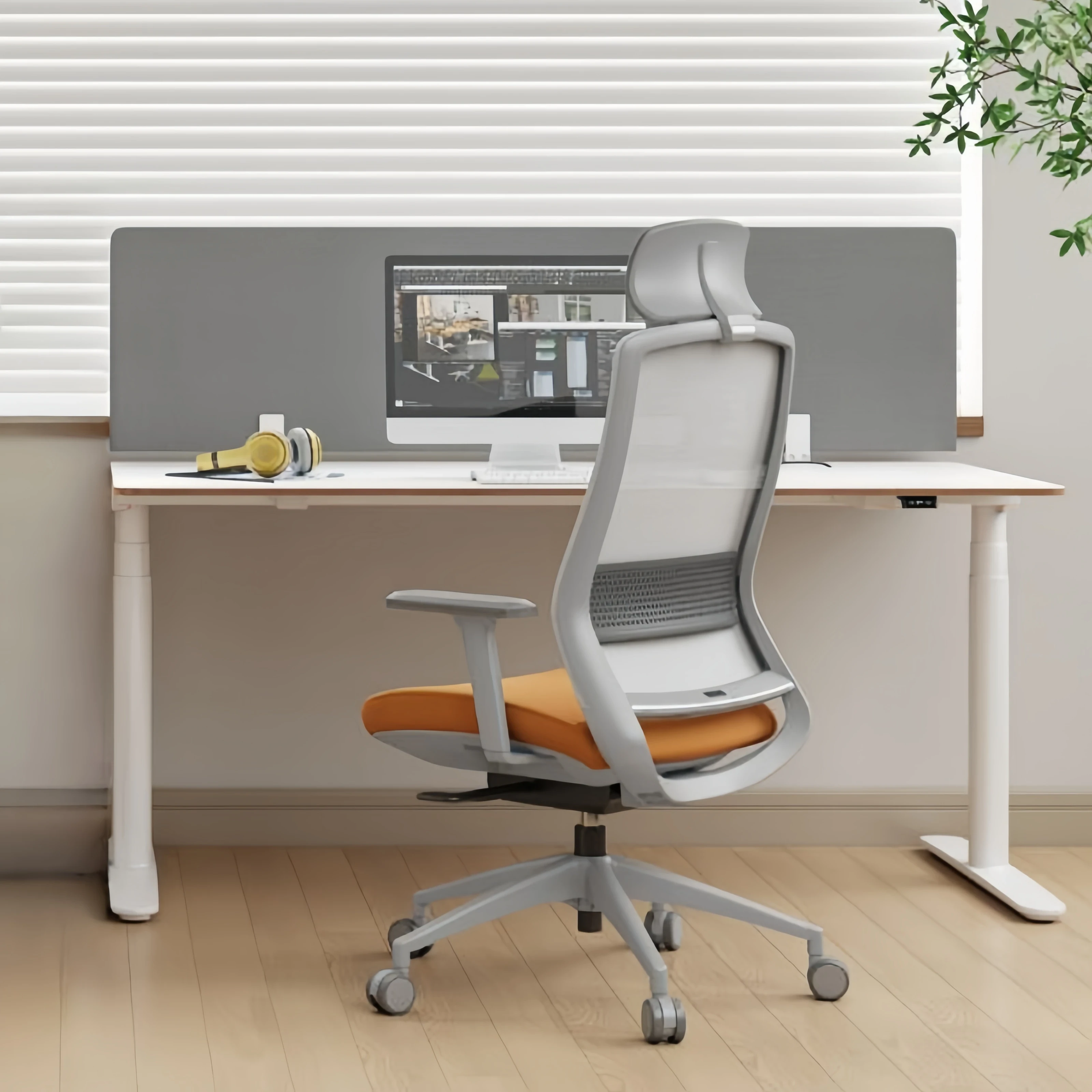


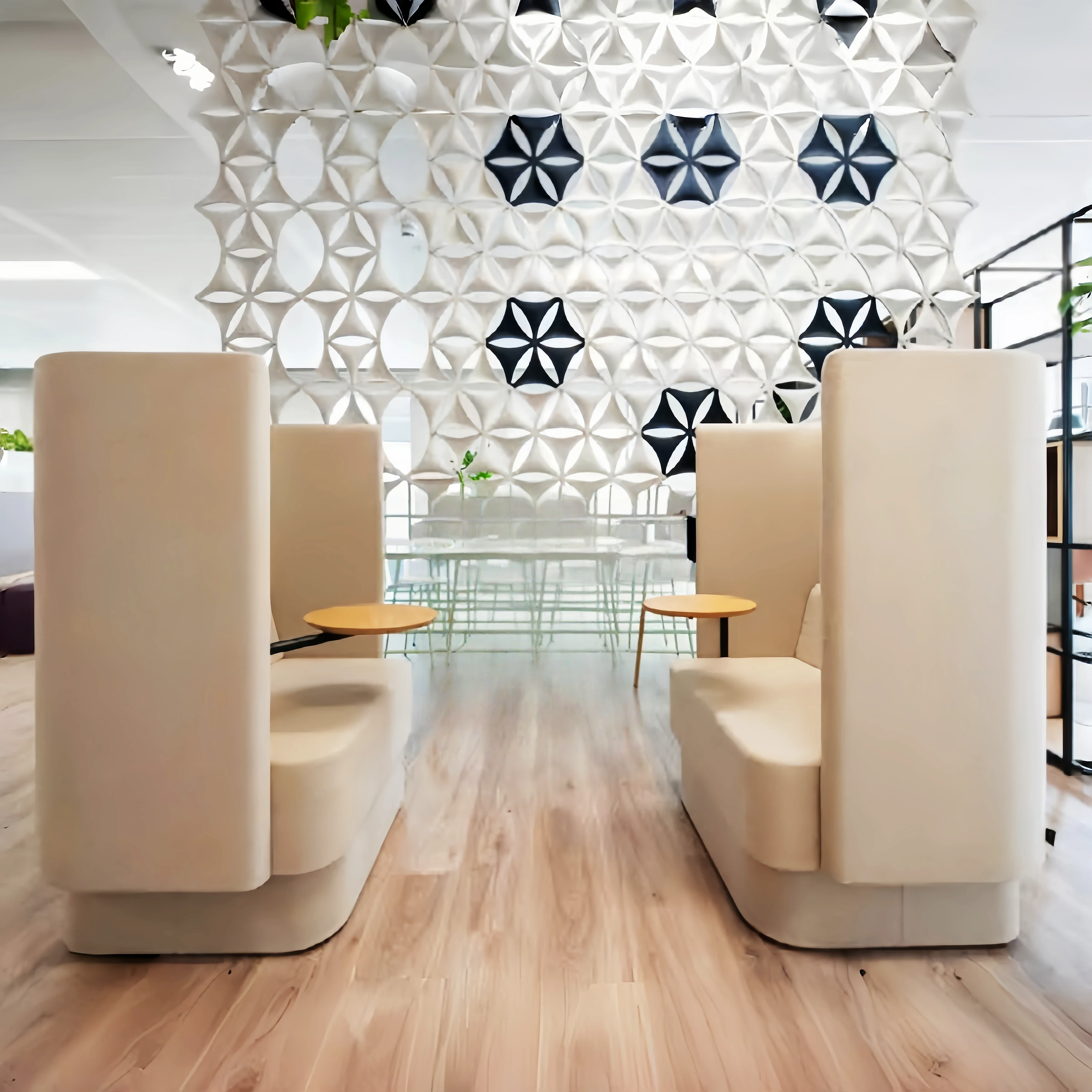

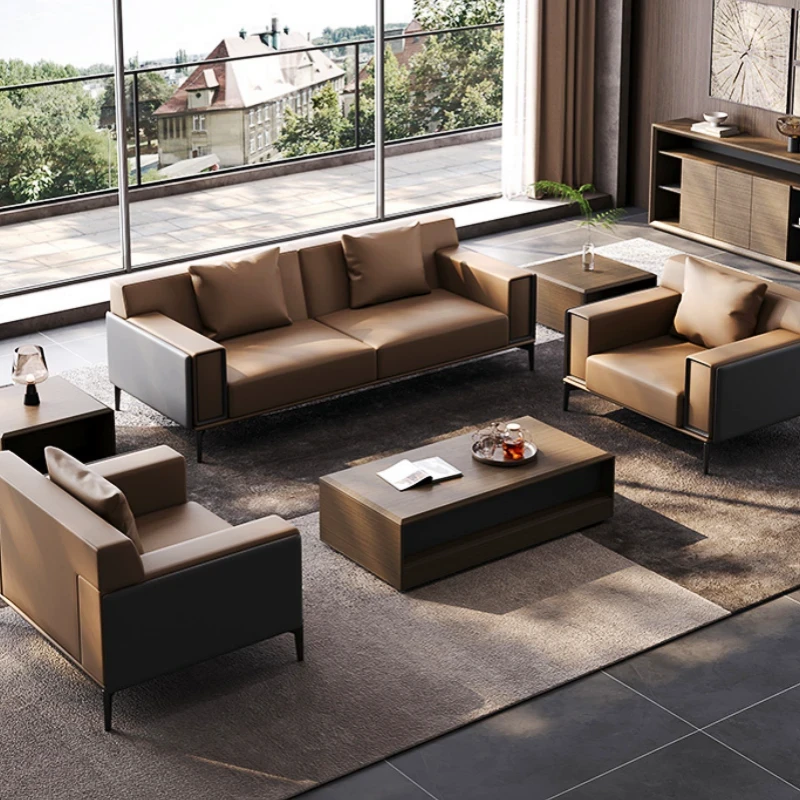
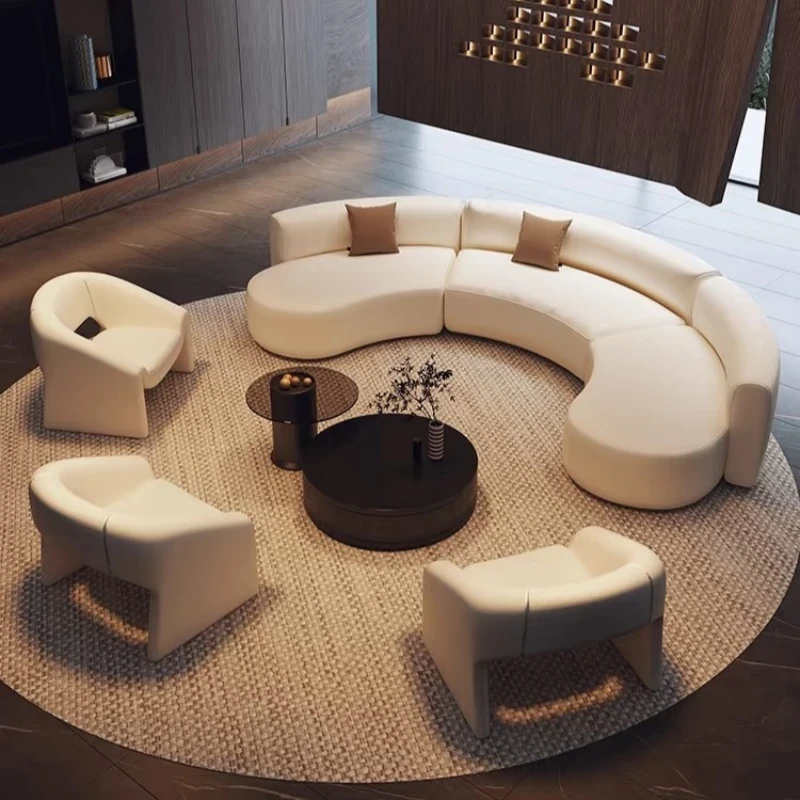
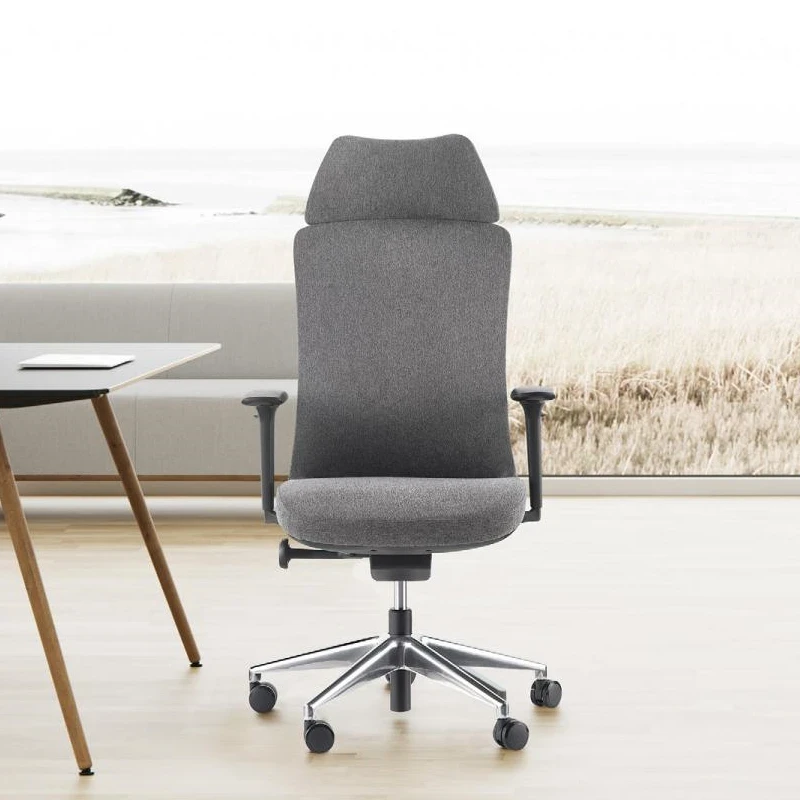


The first step is in-depth communication with the hotel management team to understand the hotel's brand positioning, target customer group, cultural background, and design preferences. This communication goes beyond obtaining initial design requirements; it also includes discussing the hotel's core values and future development direction, ensuring that furniture design matches the hotel's overall image and operational strategy.
2. Spatial and Practicality Analysis:
Custom furniture manufacturers need to conduct a detailed analysis of the hotel's spatial layout, including room size, layout characteristics, and circulation design. Through on-site inspections and precise measurements, the characteristics and limitations of the space are understood. This analysis helps ensure that the furniture provides an aesthetically pleasing appearance while possessing high practicality and space utilization.
3. Design Innovation and Style Integration:
After clarifying needs and spatial limitations, designers can develop creative designs, integrating brand elements and cultural characteristics into the furniture design in innovative ways. Manufacturers can provide a diverse range of design styles, from modern minimalism to classic luxury, while using color, texture, and form for style integration to achieve a unique interior atmosphere for the hotel.
4. Material and Craftsmanship Selection:
Personalized design also involves the meticulous selection of materials and production processes. Based on the hotel's aesthetic standards and functional requirements, manufacturers can recommend using high-quality, environmentally friendly materials such as natural wood, fabrics, and metals, combined with advanced production processes to ensure product durability and ease of maintenance. Furthermore, unique material selection can add creativity and charm to the design.
5. Functionality and Comfort
Personalized furniture not only needs aesthetic value but also emphasizes functionality and comfort. Manufacturers should focus on ergonomics during the design process, enhancing user comfort and convenience through precise design of furniture dimensions, shapes, and functional modules. Simultaneously, the integration of intelligent elements can be considered to provide users with a technologically advanced and modern experience.
6. Customization and Adjustments
To ensure the final product fully meets the hotel's expectations, manufacturers should provide multiple rounds of design adjustments and reviews. Through 3D model displays, sample production, and feedback adjustments, close communication with clients is maintained to ensure that every detail of the furniture reflects personalized requirements.
Conclusion
When providing personalized furniture design solutions for hotels, custom furniture manufacturers need to achieve these goals through comprehensive customer needs analysis, innovative design concepts, precise space utilization, material and process selection, and functional considerations. Through these steps, customized furniture can successfully reflect the hotel's brand personality, providing a unique and memorable guest experience. This deeply customized collaboration not only helps enhance the hotel's market competitiveness but also creates a more thoughtful and memorable living environment for guests.