
 USD
USD GBP
GBP
 EUR
EUR
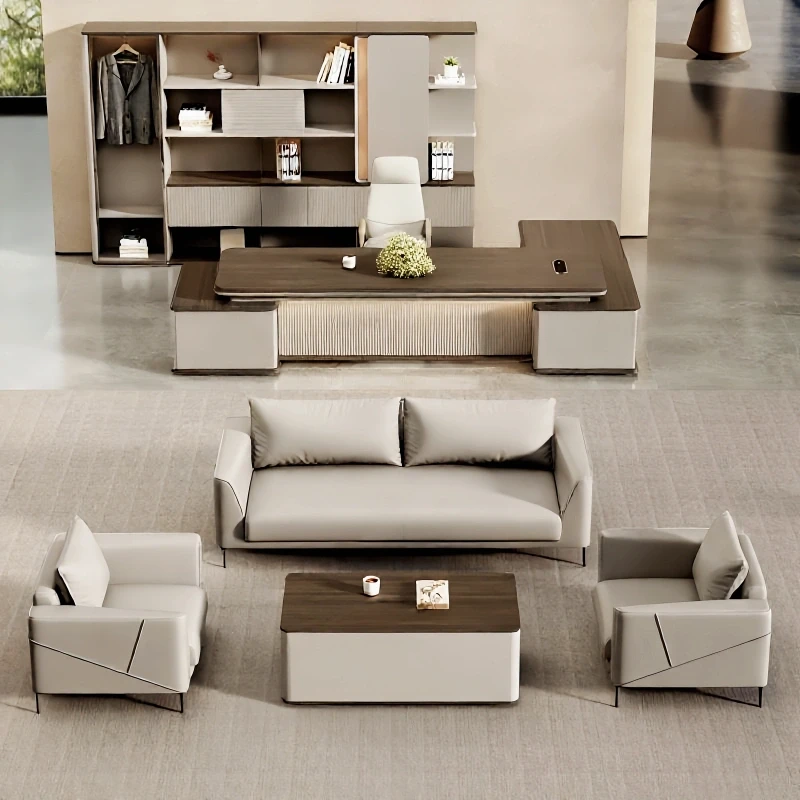
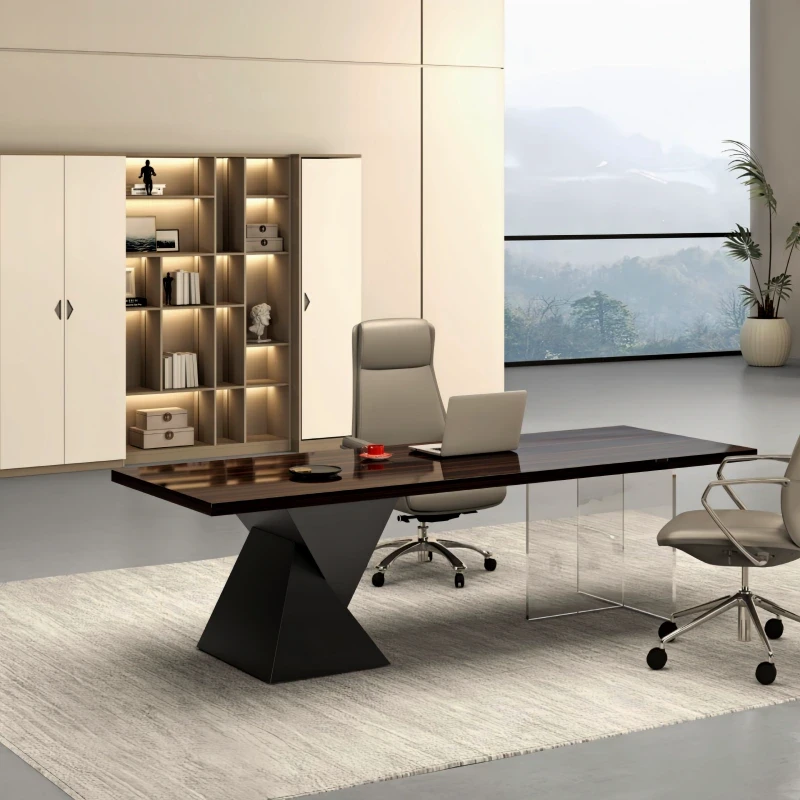


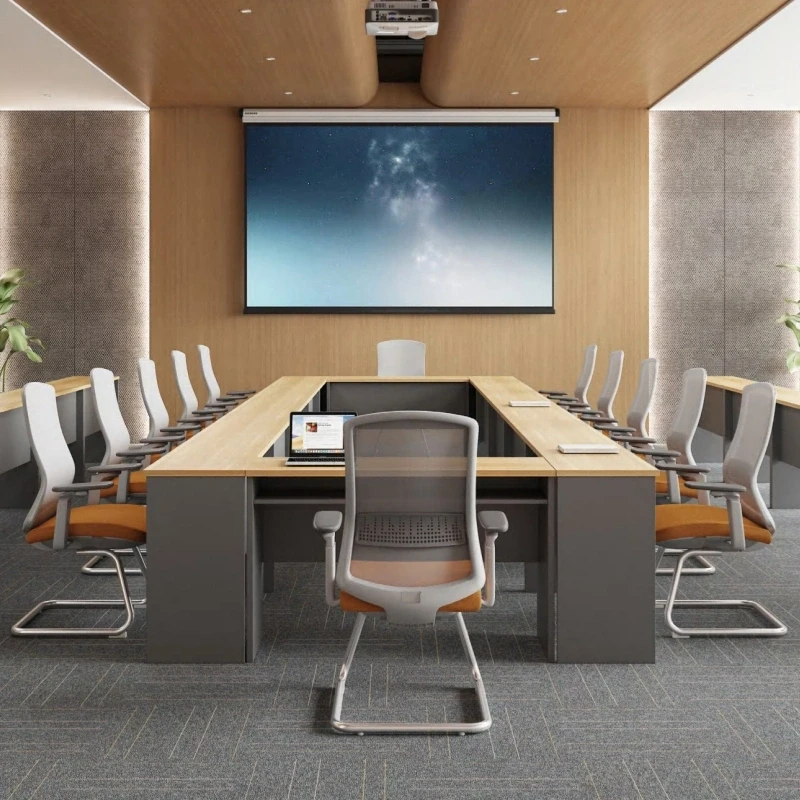
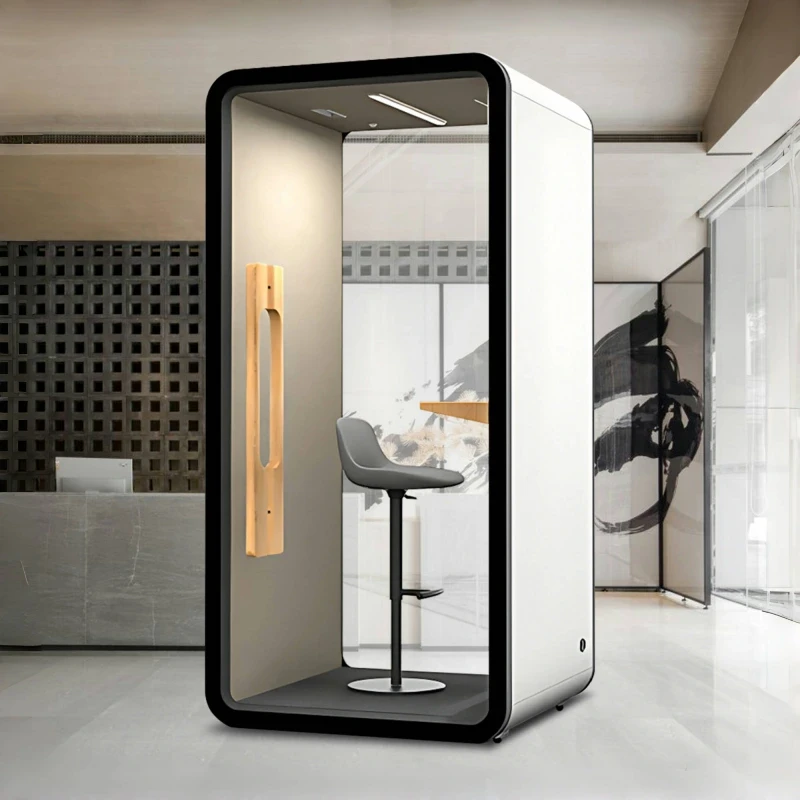
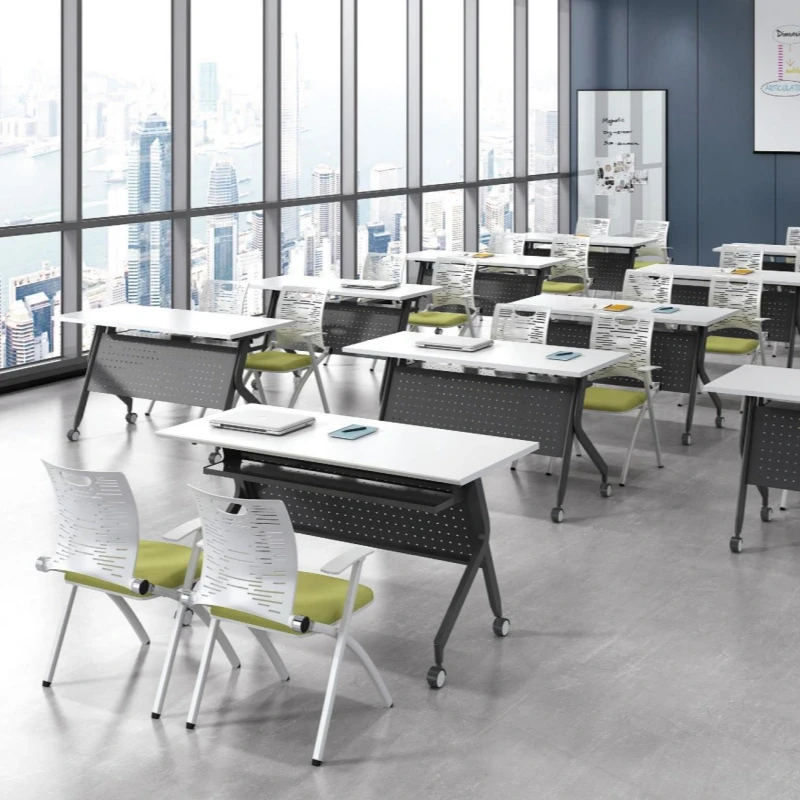
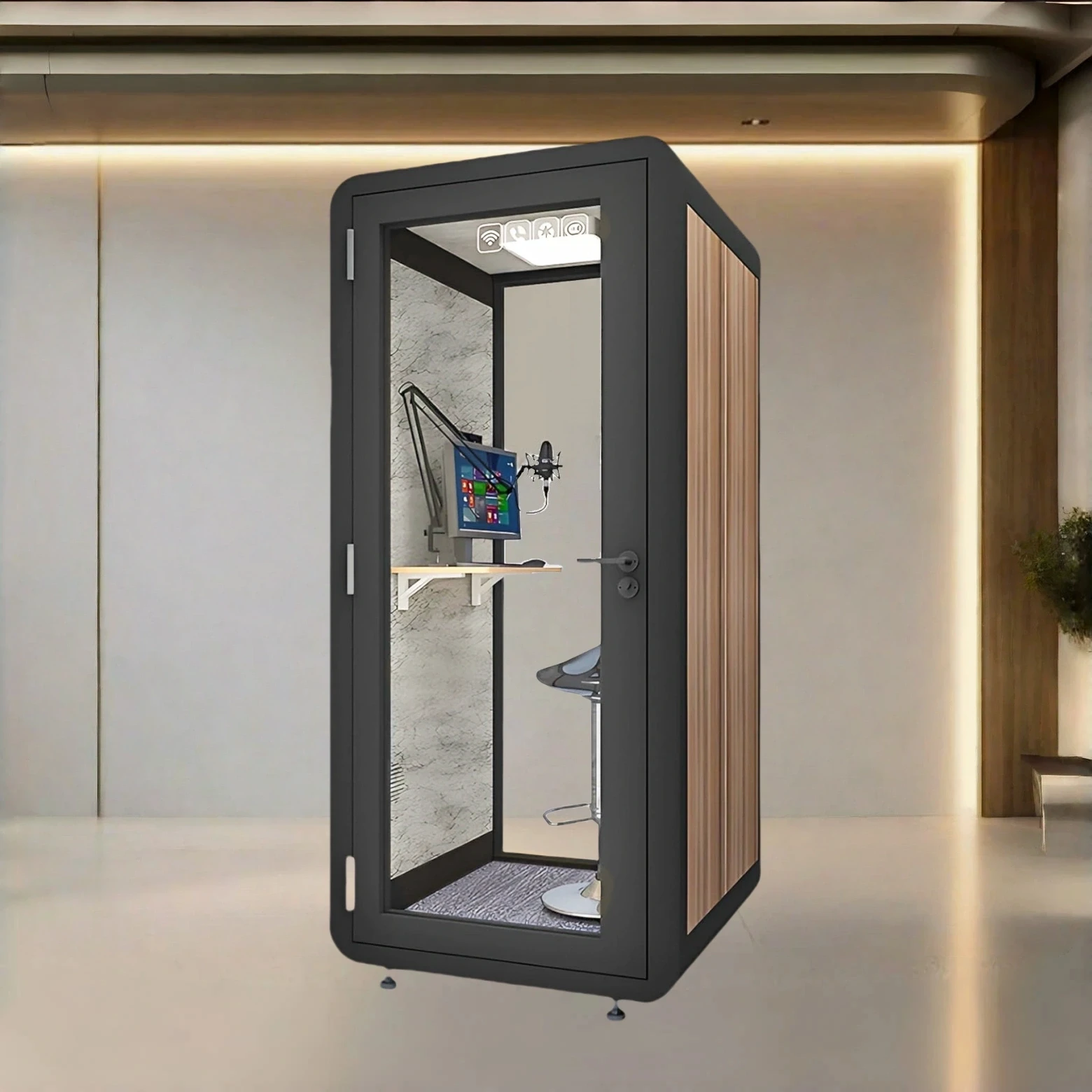
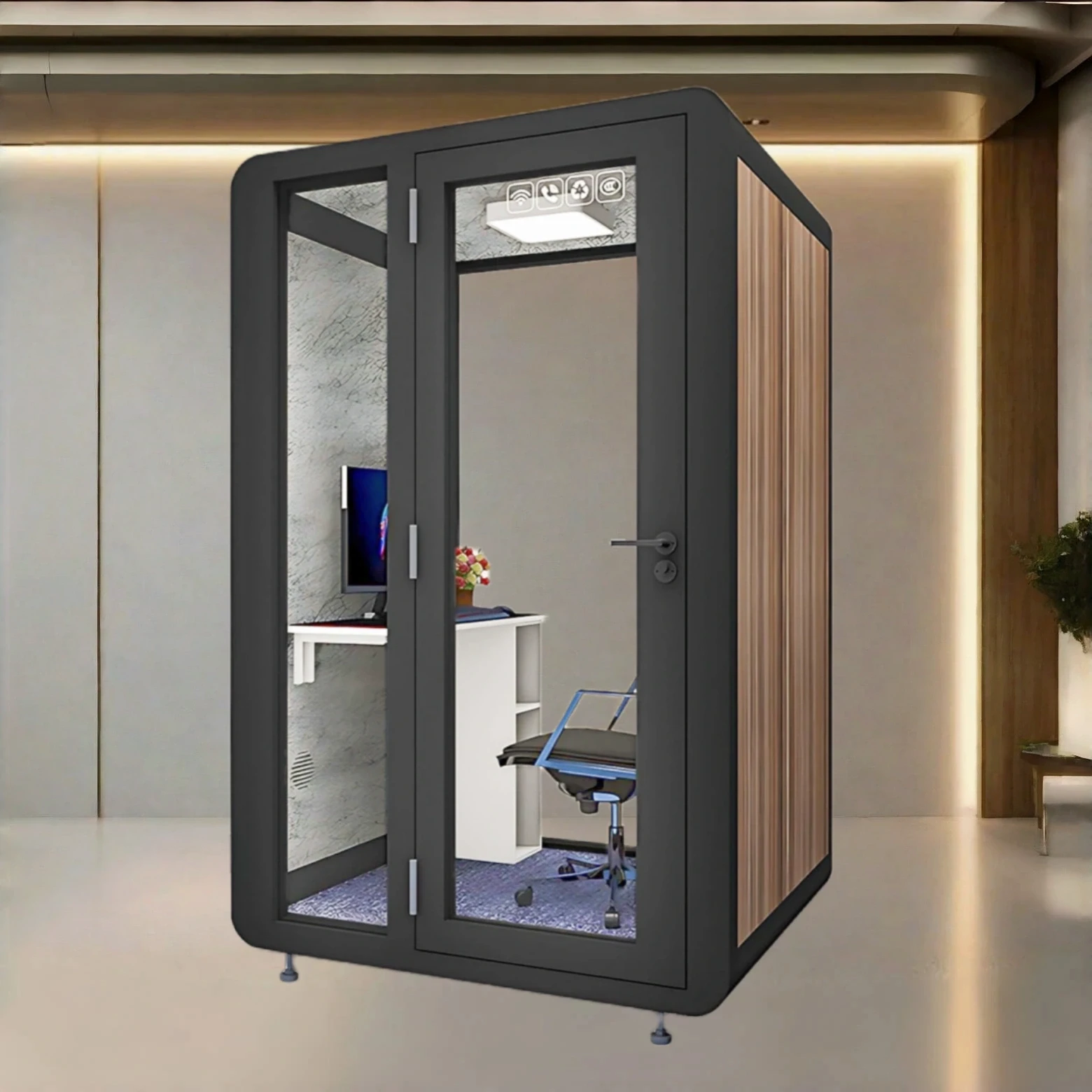
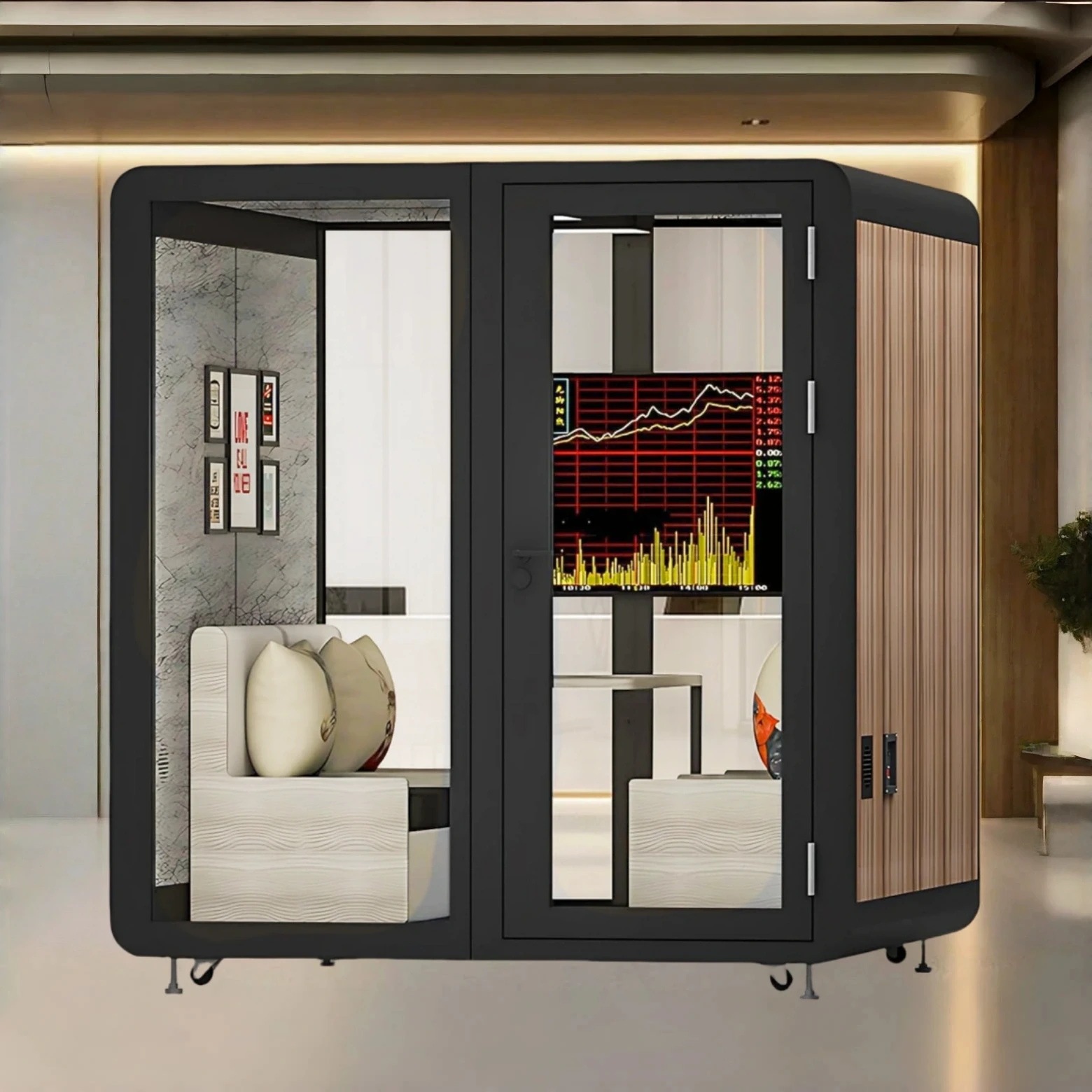
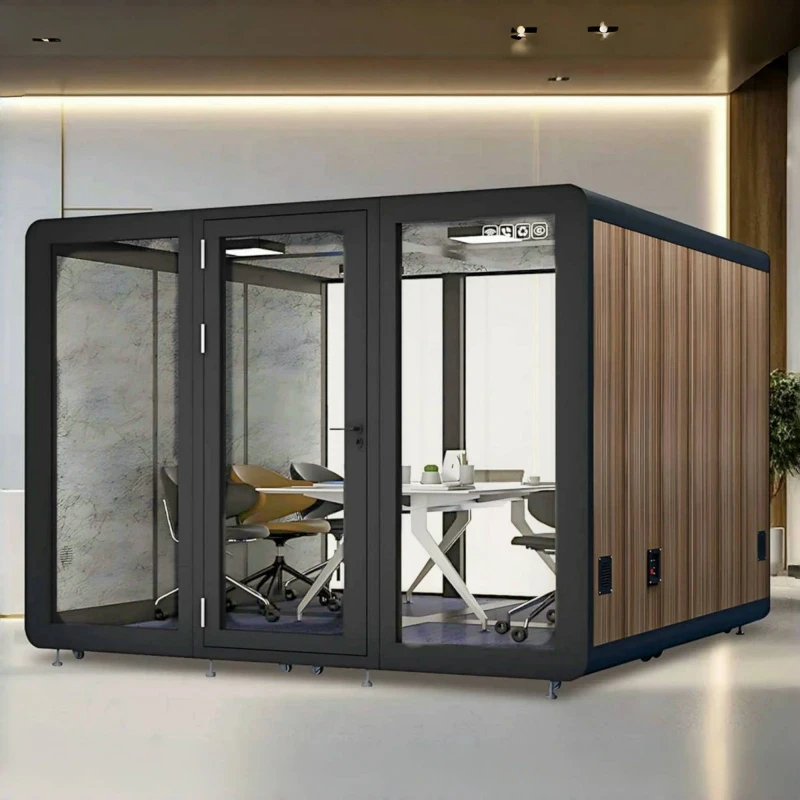





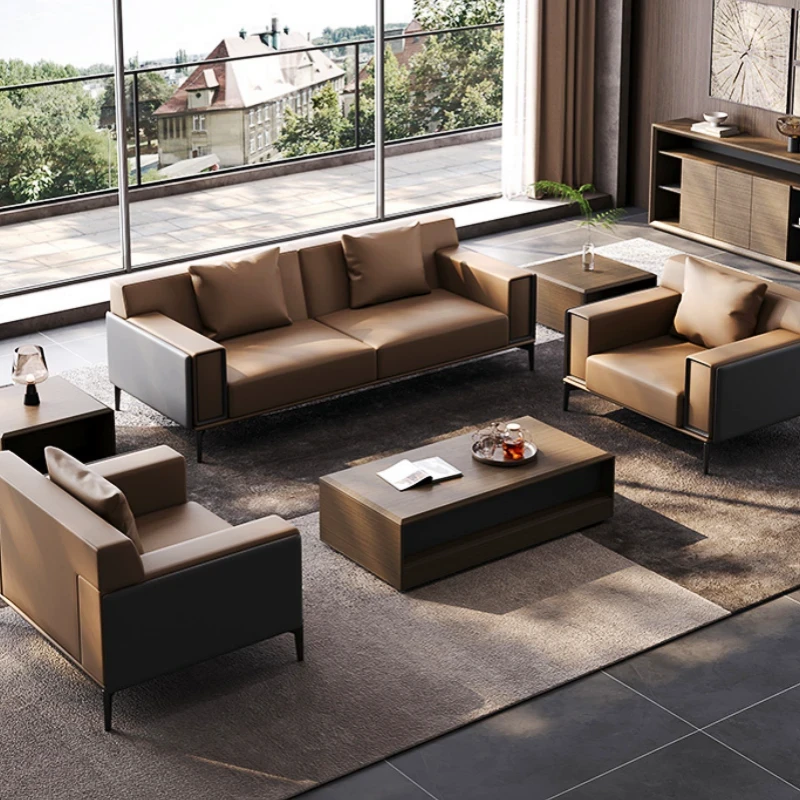
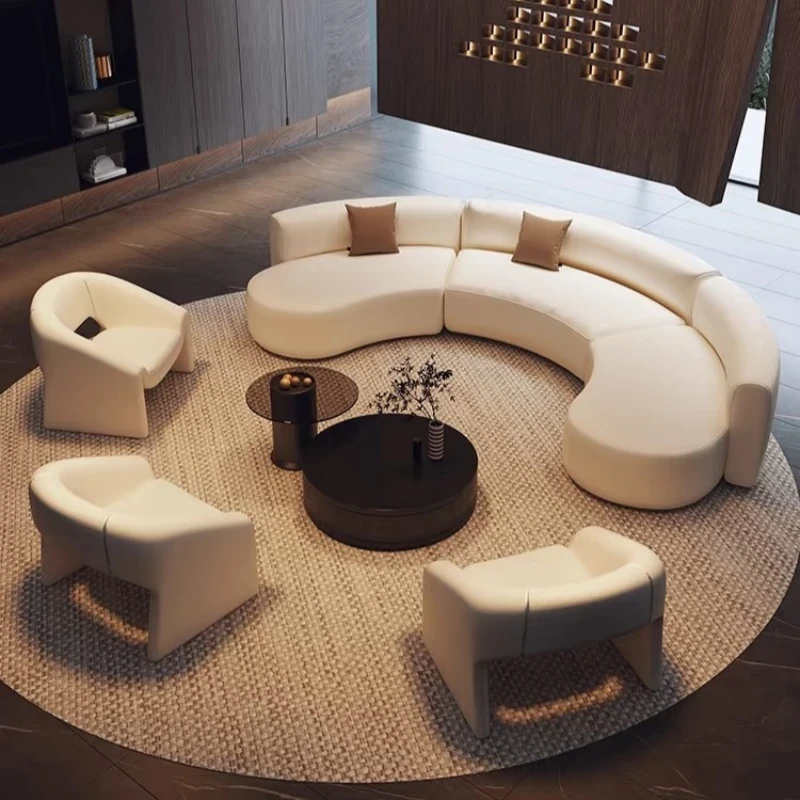
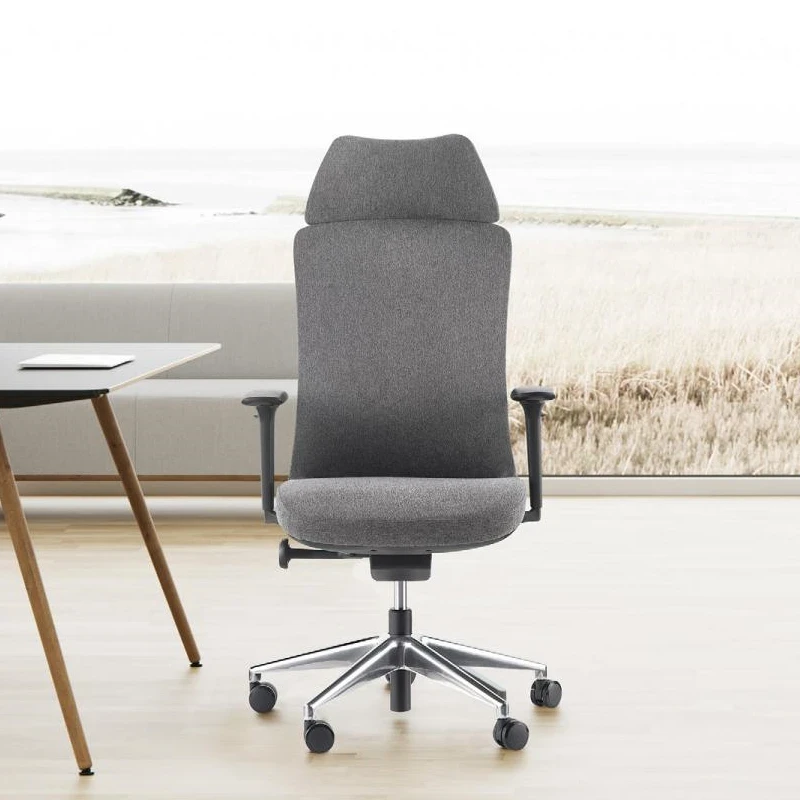


1. Unique Spatial Design
Before selecting tables and chairs, it's essential to fully understand the size and layout of the meeting room. The size and shape of the tables and chairs should be designed according to the room's shape, area, and frequency of use to ensure that the expected number of people can be accommodated without feeling cramped.
2. Reasonable Furniture Proportions
When customizing tables and chairs, proportion is crucial. The height and size of the tables and chairs should be coordinated with the overall space of the meeting room, ensuring the comfort of participants without occupying too much space and obstructing passage or the placement of other facilities.
II. Functionality and Versatility
1. Multi-functional Use
Modern meeting rooms often need to meet multiple purposes, therefore, the design of tables and chairs must be multi-functional. Foldable and movable meeting tables and chairs can be flexibly adjusted to adapt to different types of meetings, such as teamwork, training, or presentations.
2. Technological Integration
Table and chair designs incorporating modern technological elements can enhance the meeting experience. Embedding power outlets, USB ports, or wireless charging devices in the tabletop design supports the electronic device needs of participants.
III. Comfort and Ergonomics
1. Comfortable Seating
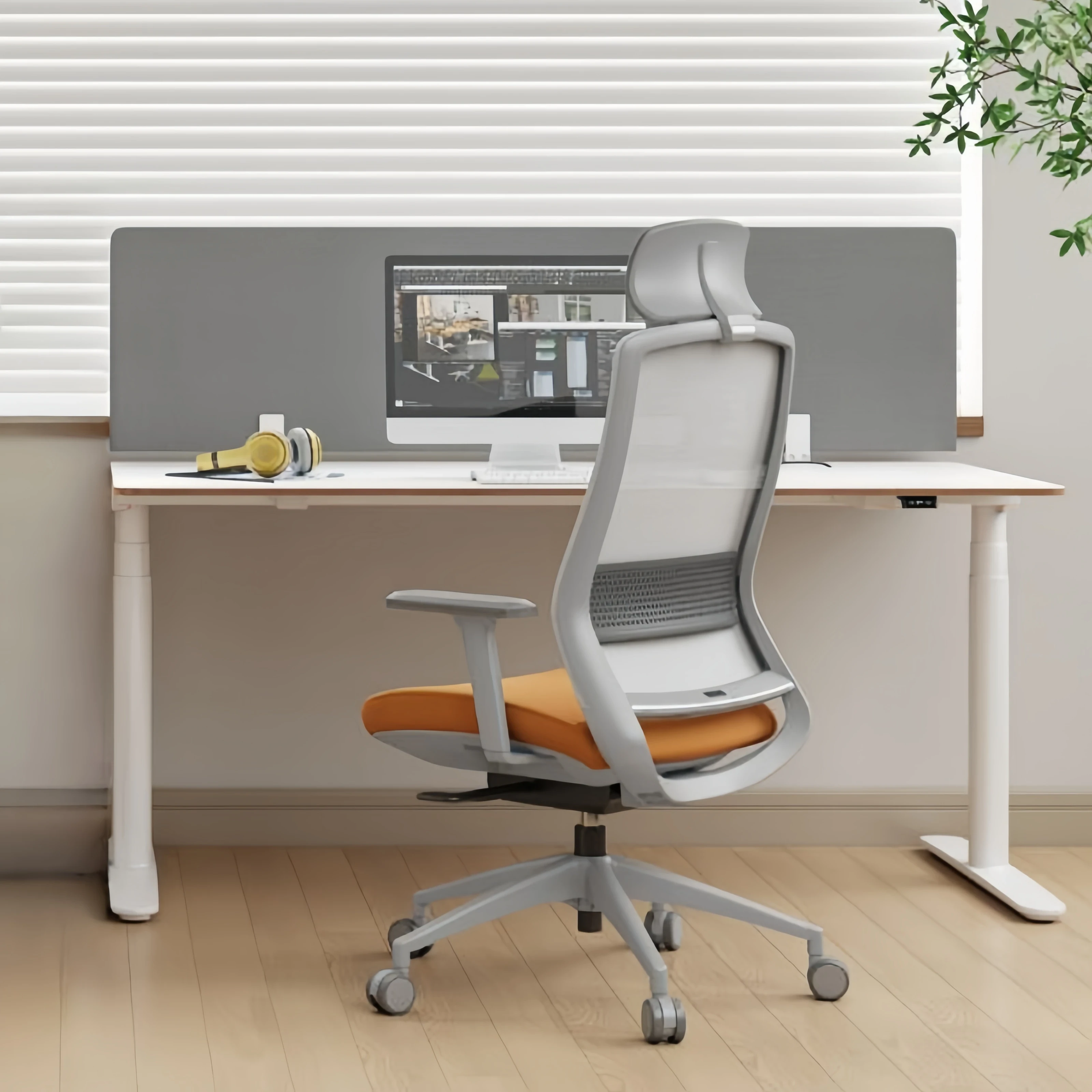
Meetings often last for a long time, requiring higher standards of seating comfort. 1. Ergonomically designed chairs can effectively reduce fatigue from prolonged sitting, allowing participants to focus on the meeting content.
2. Adjustability:
To accommodate users of different body types and preferences, adjustable chairs and tables are an ideal choice. Adjustable seat height, backrest angle, and table height provide a personalized user experience.
IV. Materials and Durability
1. Selection of High-Quality Materials:
The materials used in conference tables and chairs not only affect aesthetics but also directly relate to their durability and lifespan. When selecting materials, factors such as wear resistance, ease of cleaning, and environmental friendliness should be considered. For example, solid wood, metal, or high-density plastics are common choices.
2. Sustainability:
In today's world where corporate social responsibility is increasingly valued, choosing environmentally friendly materials and sustainable production processes is not only a trend but also reflects a company's sense of social responsibility.
V. Aesthetic Style and Corporate Culture
1. Visual Harmony:
The design style of conference room tables and chairs needs to be consistent with the overall corporate culture and office environment to create visual coherence and harmony. Whether simple and modern, traditional and classic, or innovative and unique, it should align with the company's brand image.
2. Personalized Customization
: Beyond meeting basic aesthetic standards, personalization, such as custom colors or incorporating company logos, can enhance brand recognition.
Conclusion:
Customizing conference room tables and chairs is a complex task requiring multifaceted consideration. From spatial layout and functional requirements to comfort, materials, and style, every factor needs careful consideration. Fully understanding and integrating the company's needs and culture, and choosing suitable suppliers, are key to achieving the ideal conference room environment. Properly designed tables and chairs not only improve meeting efficiency and comfort but also enhance the company's overall image.