
 USD
USD GBP
GBP
 EUR
EUR
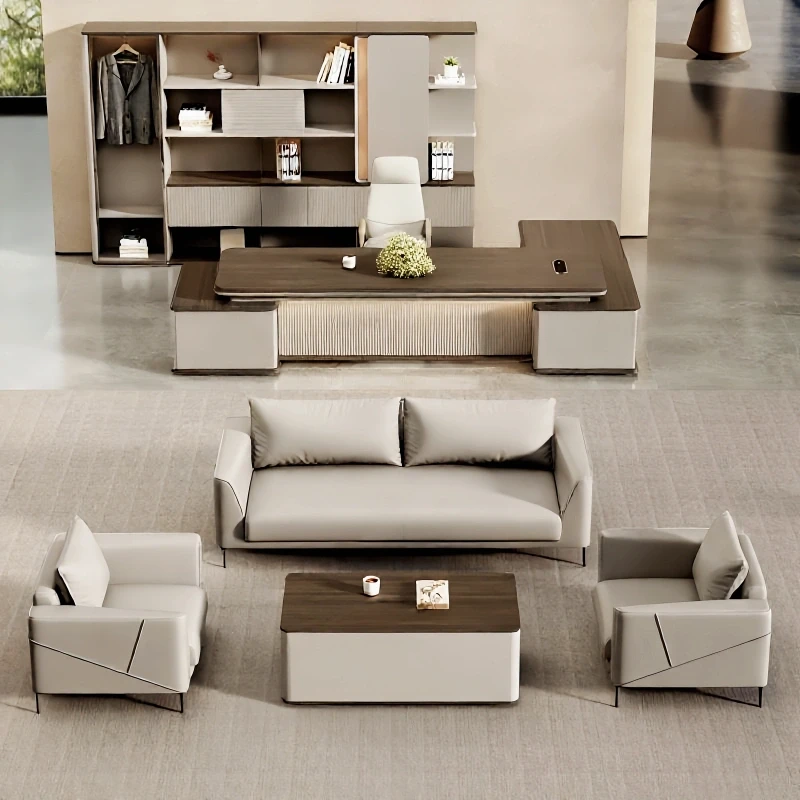
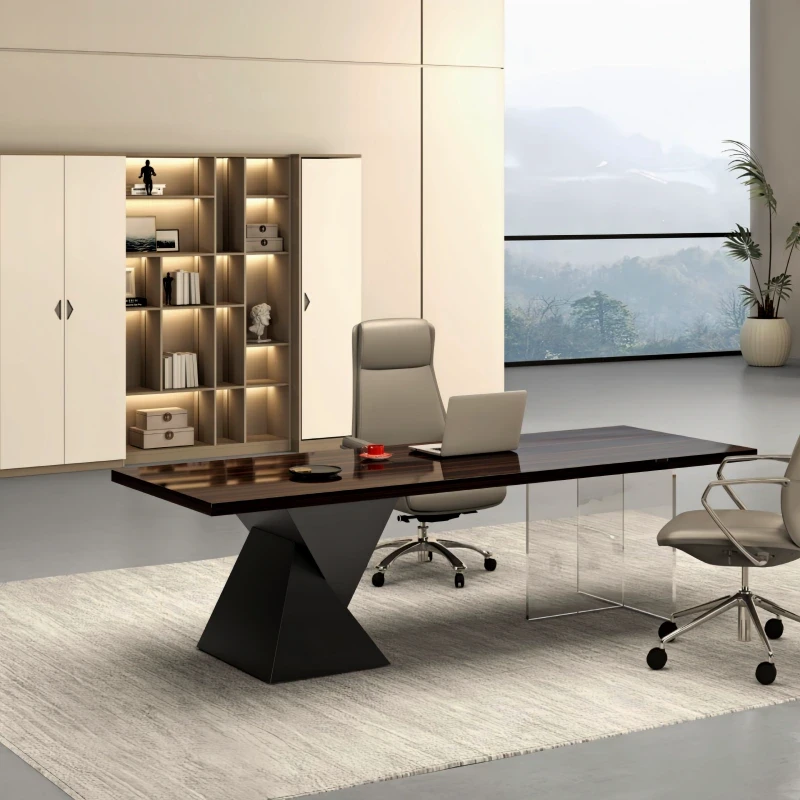


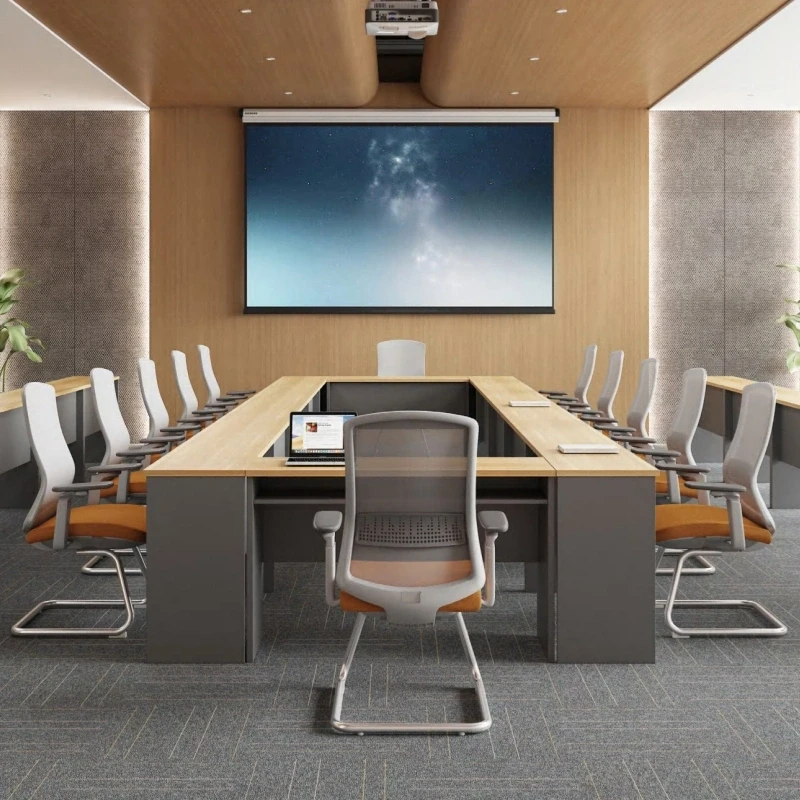
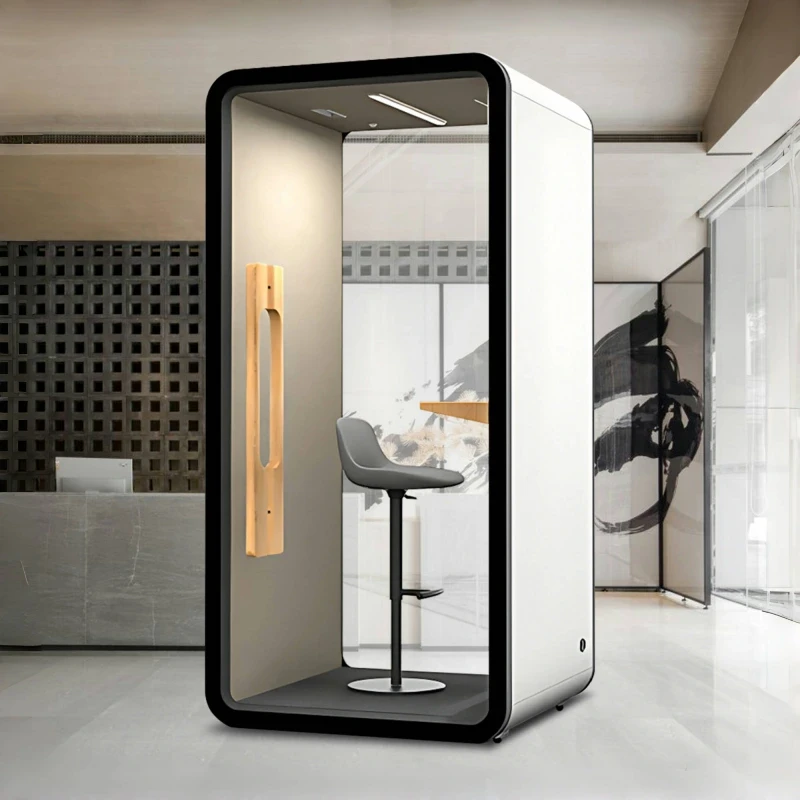
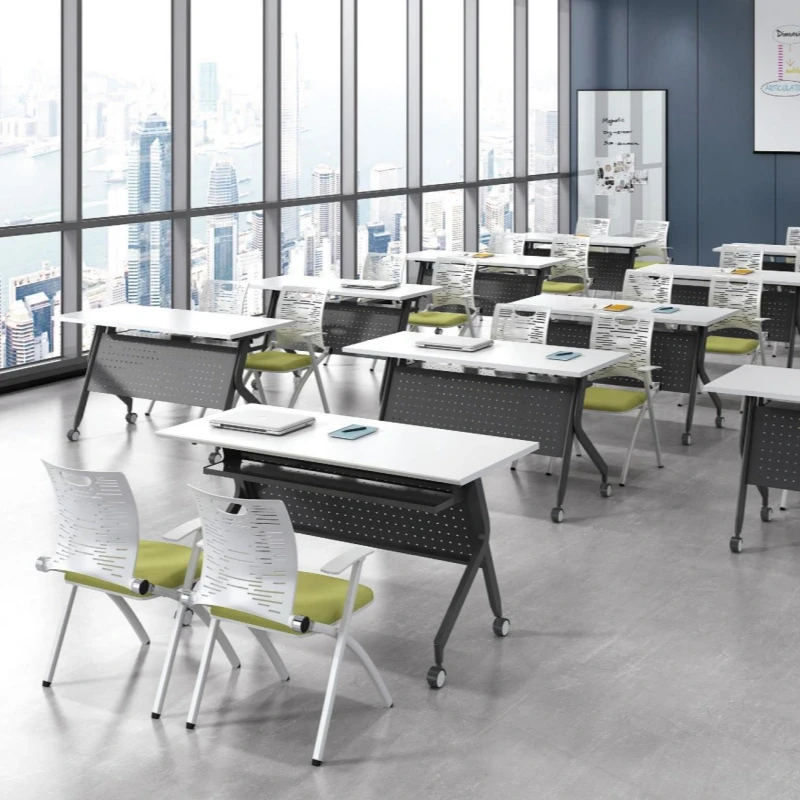
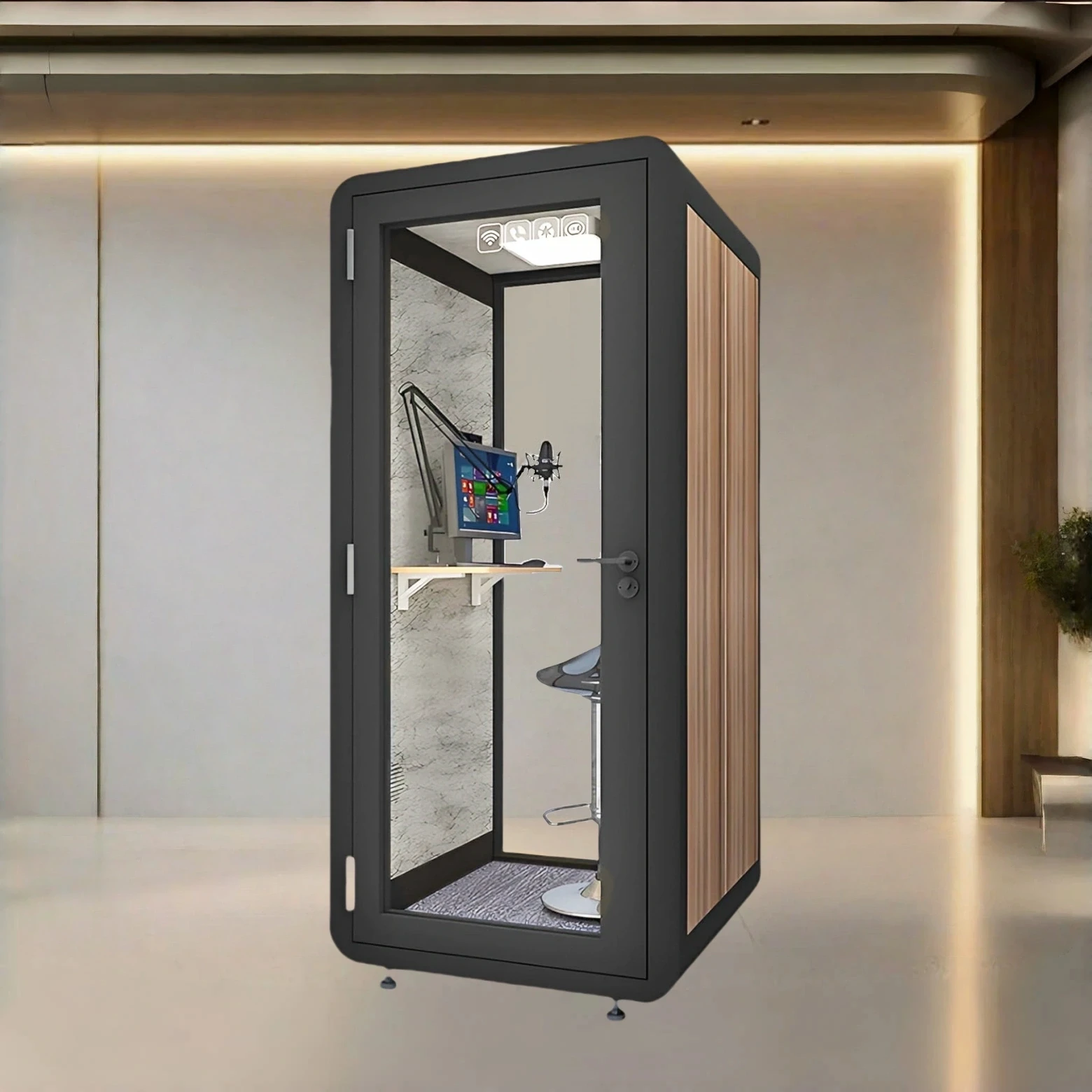
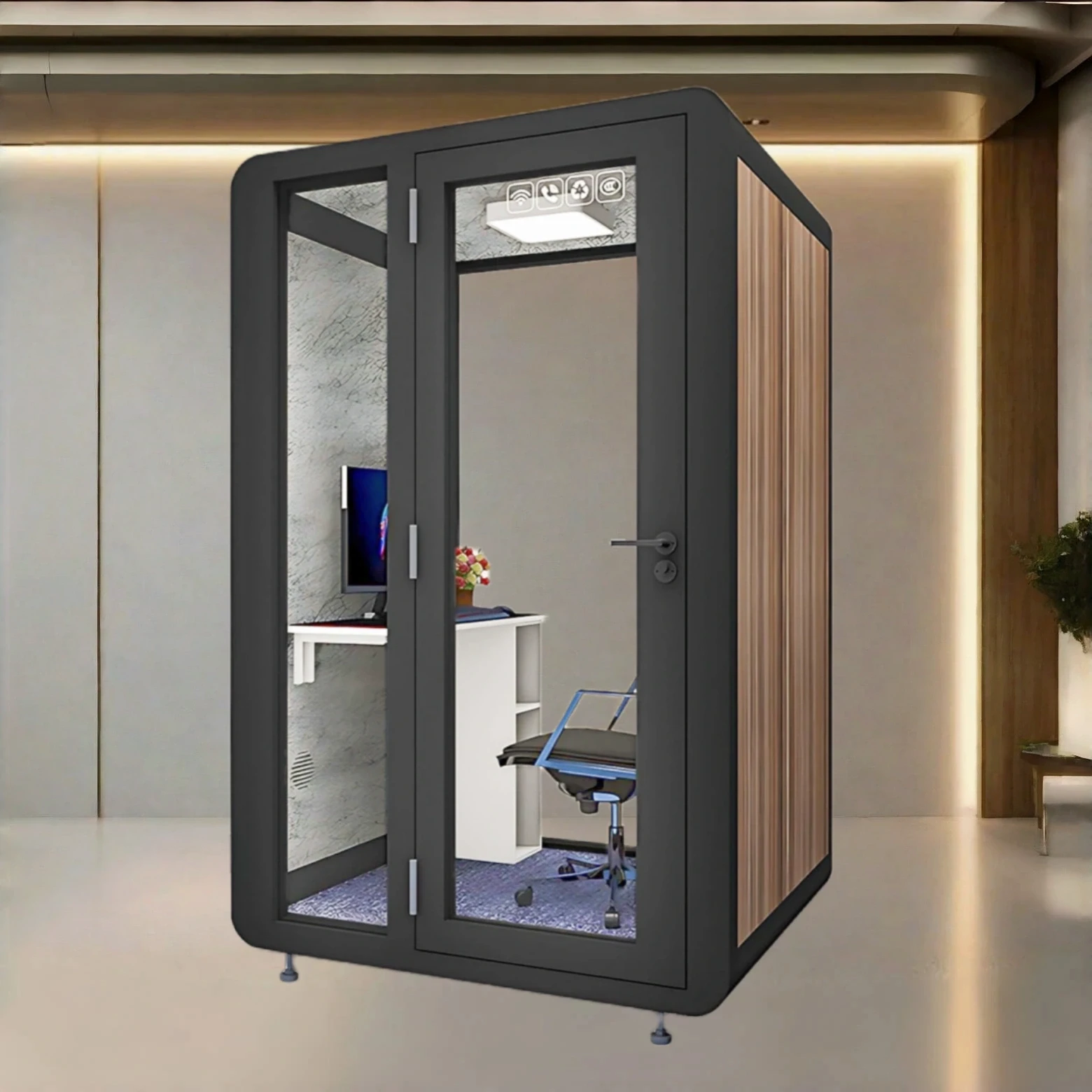
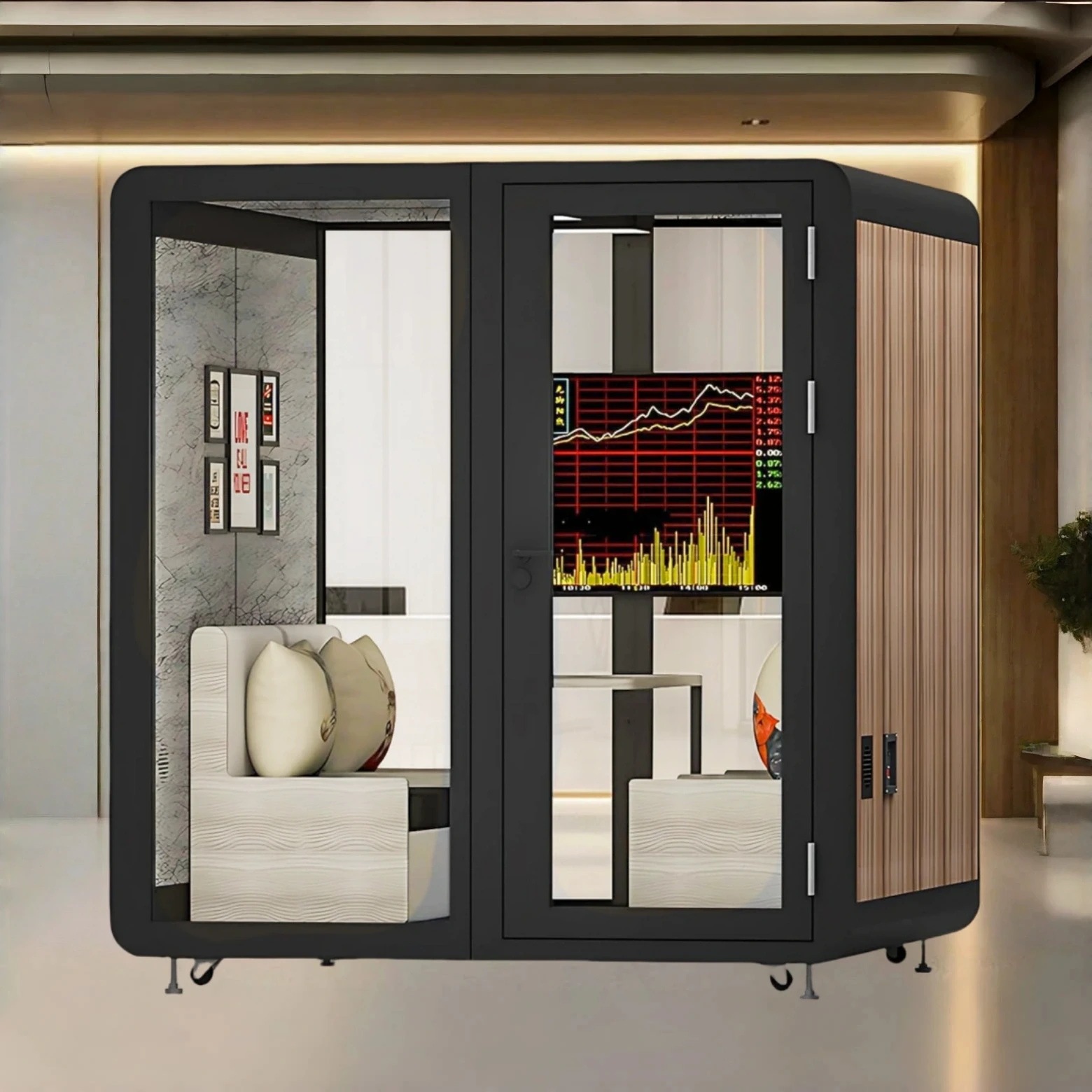
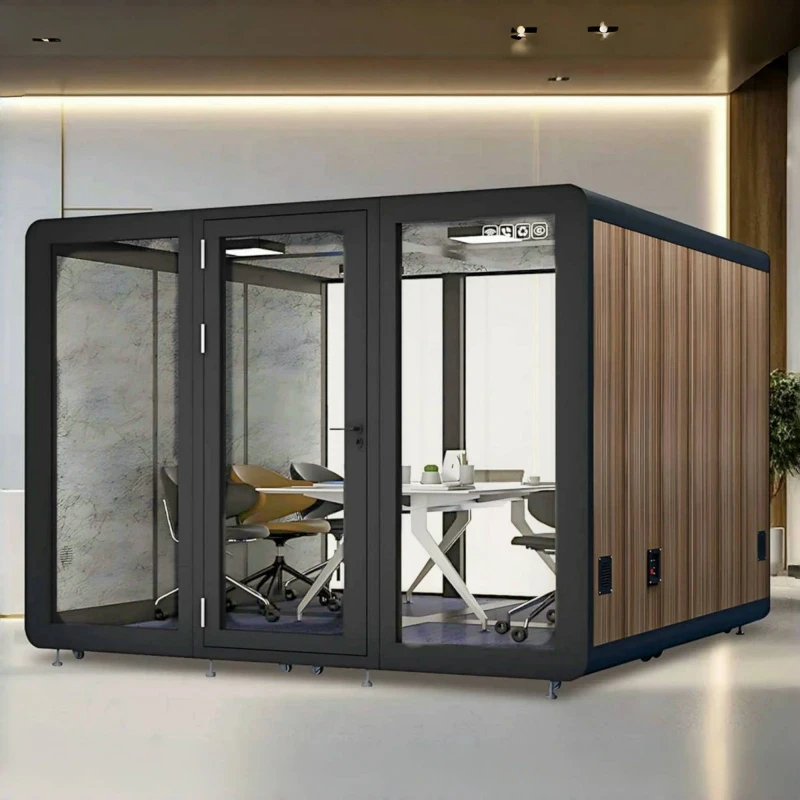
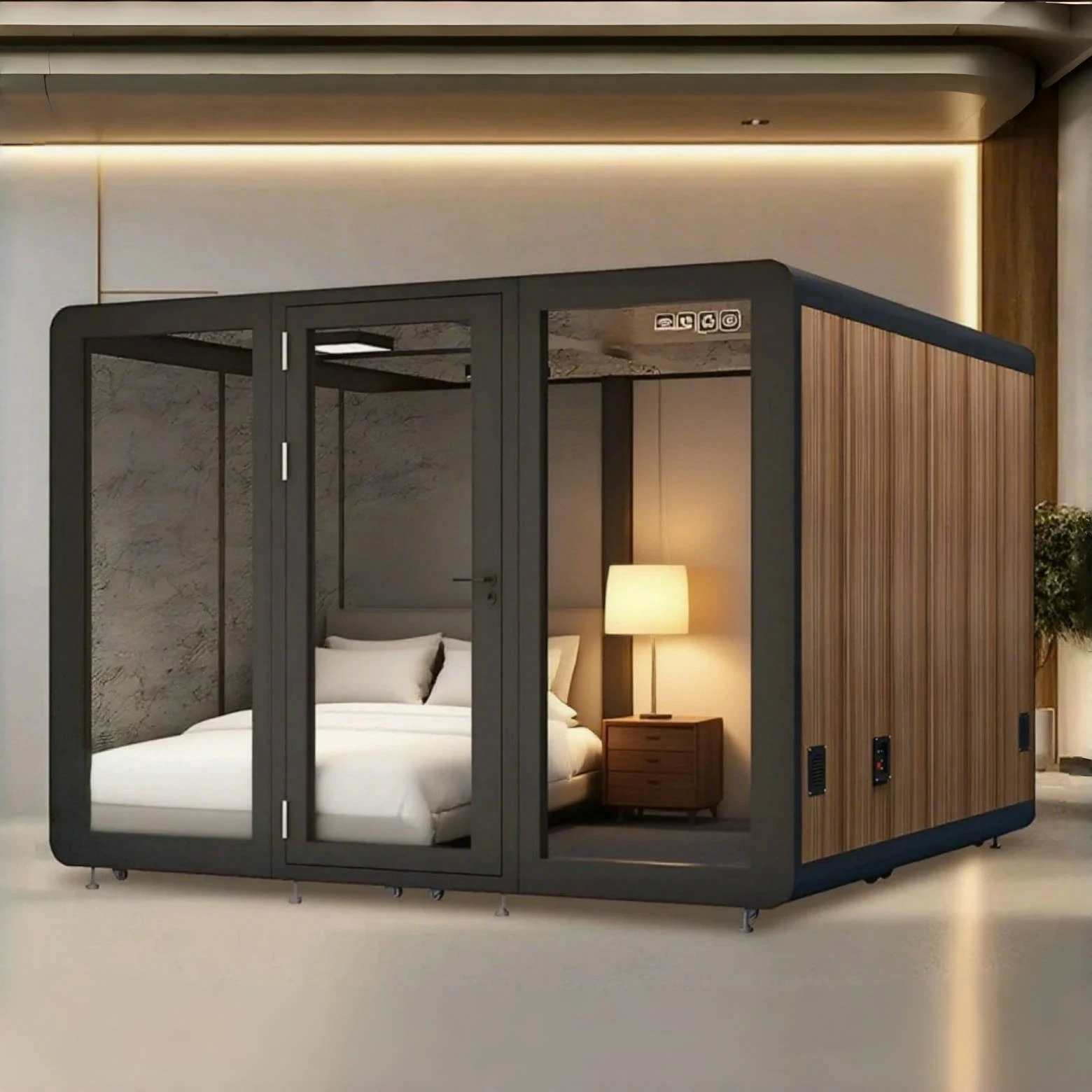


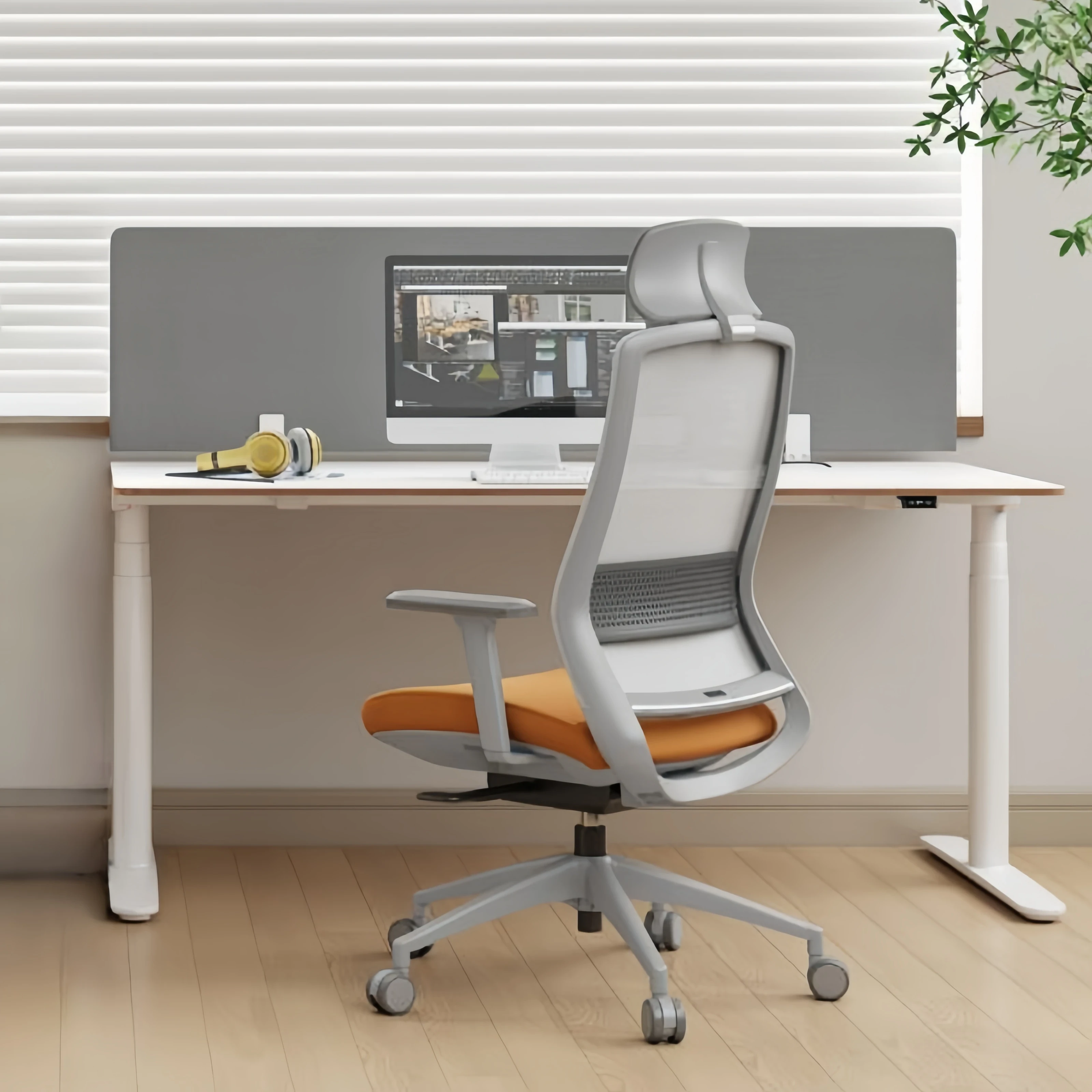


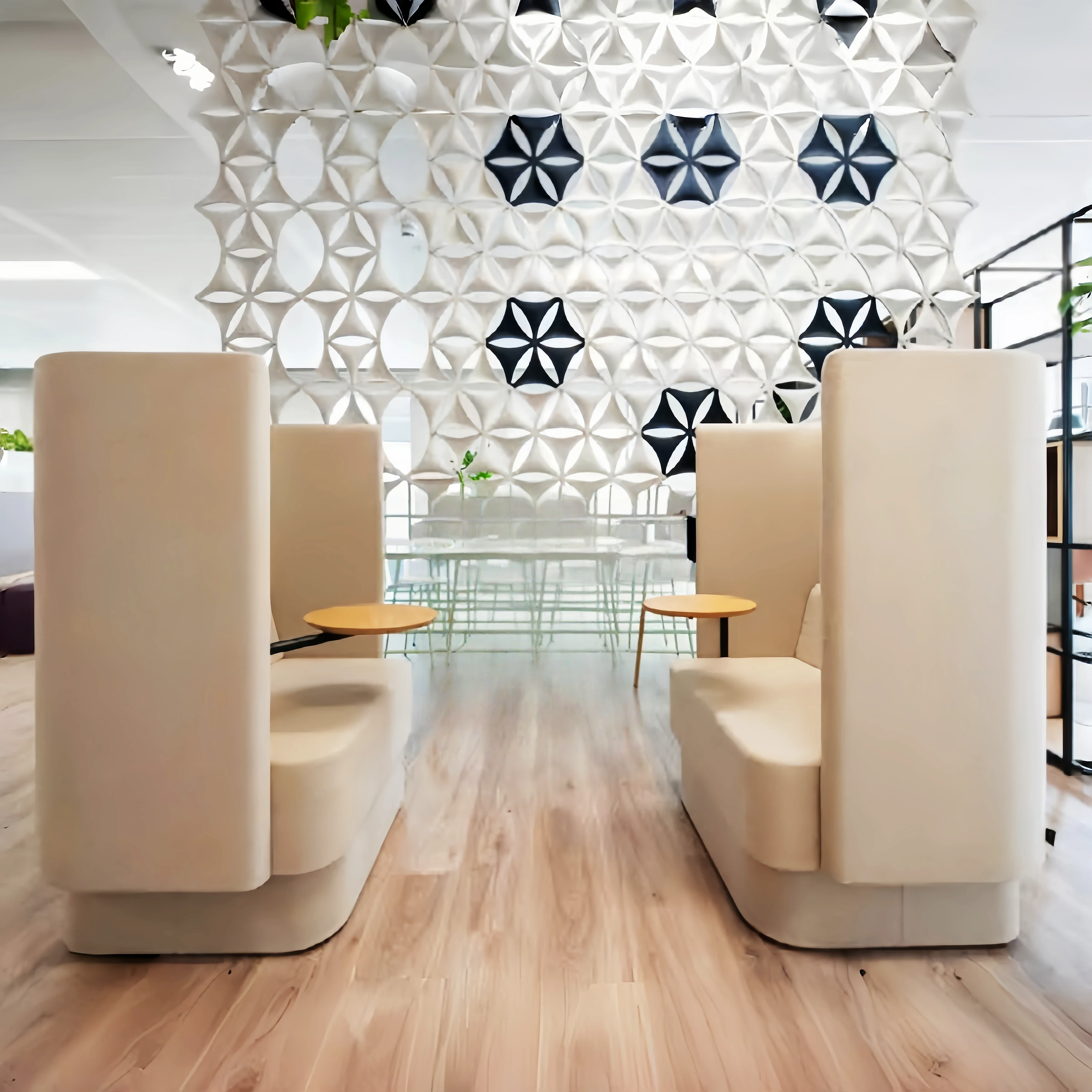

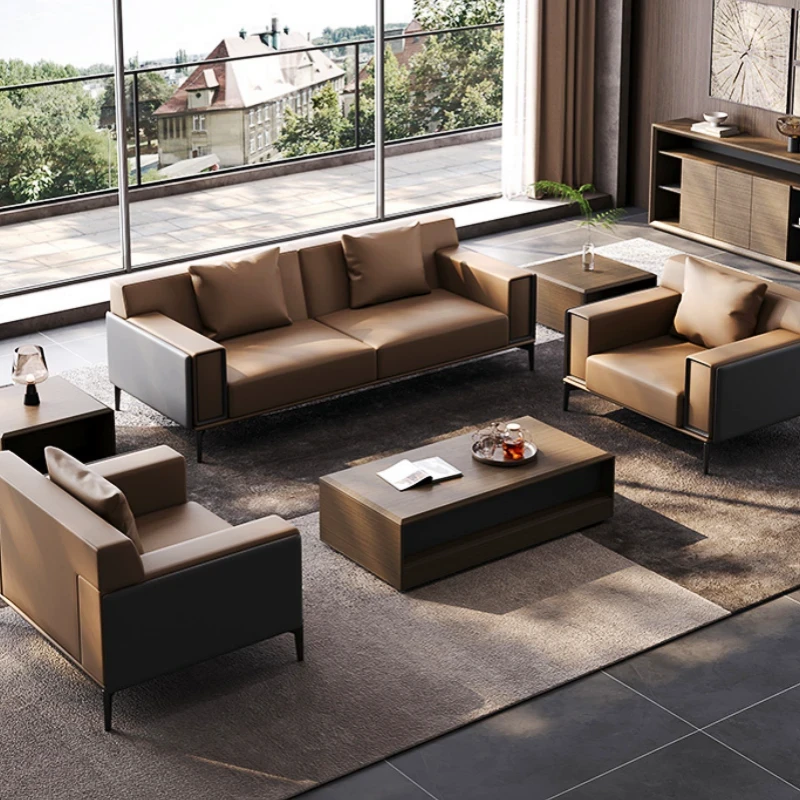
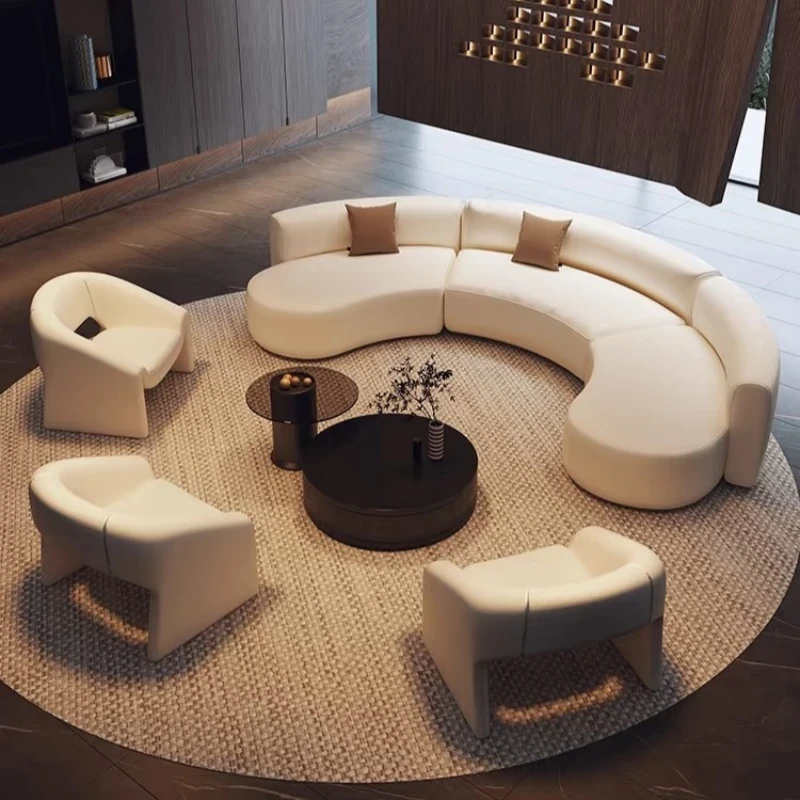
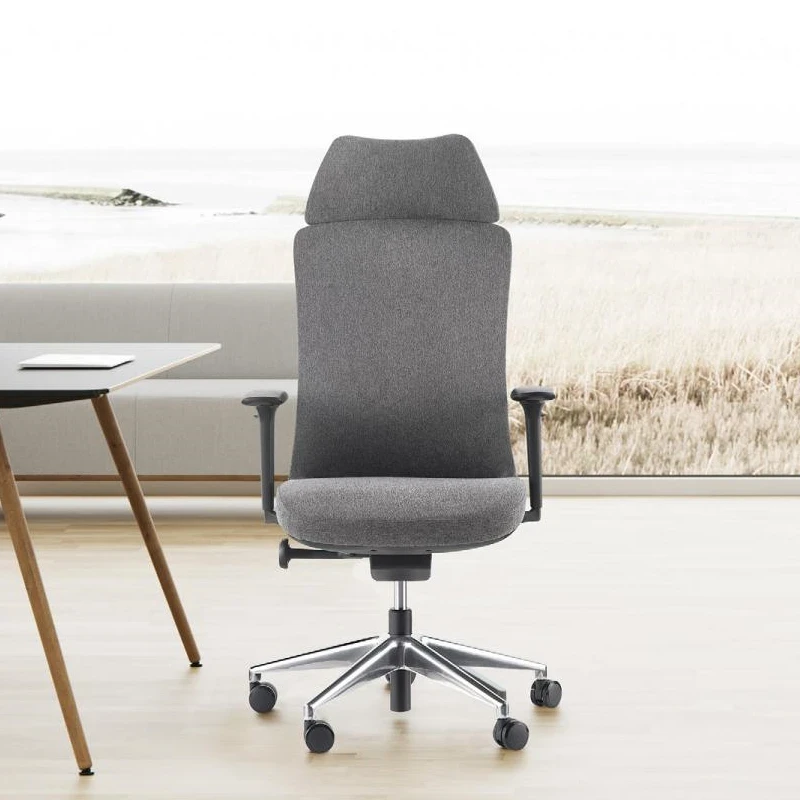


: Before starting custom furniture design, a deep understanding and clear explanation of the company culture is essential. Company culture can encompass the company's core values, mission, vision, and the daily work environment for employees. For example, an innovation-driven technology company might prefer a modern and creative design, while a traditional law firm might favor a classic and stable style. Clearly defining these cultural elements helps guide the furniture design direction.
2. Integrating Brand Colors and Visual Elements:
Integrating the company's brand colors and visual elements is a direct and effective approach when designing office furniture. The brand's signature colors and design patterns can be incorporated into the furniture's color scheme and decorative details, such as the color of chairs, the texture of desks, and the décor of meeting rooms. This consistency not only enhances the aesthetics of the office space but also strengthens brand identity.
3. Focusing on Practicality and Employee Experience:
The embodiment of company culture extends beyond visuals; it also requires attention to the employee's work experience. Highly practical and comfortable furniture designs can improve employee satisfaction and work efficiency. Understanding employees' actual needs in the office environment and customizing furniture to suit different job duties can create an office space that aligns with company culture and enhances employee experience.
4. Choosing Appropriate Materials and Craftsmanship:
The selection of materials and craftsmanship is also an important aspect of reflecting company culture. High-quality and sustainable material selection reflects a company's commitment to environmental protection and social responsibility. For companies pursuing a technological feel, new materials and modern manufacturing processes may be more suitable; while companies that value tradition may prefer classic materials and craftsmanship.
5. Close Collaboration with Designers:
Establishing good working relationships with professional furniture designers or suppliers ensures that the design style is consistent with the company culture. Designers can provide professional advice and corresponding design solutions based on the company culture. Maintaining open communication and feedback mechanisms during the design process ensures that the final furniture design meets the company's expectations and cultural expression.
6. Considering Flexibility and Future Development:
Modern enterprises need flexible and evolving office environments, which is especially important for constantly changing company cultures. Considering flexibility and adaptability in furniture design can support future cultural and organizational changes. For example, modular furniture design allows for easy adjustment and reconfiguration to adapt to new mergers, team expansions, or changes in work patterns.
In conclusion
, when customizing office furniture, organically integrating design style with company culture can not only strengthen the company's brand image but also enhance employee sense of belonging and satisfaction. By deeply understanding company culture, incorporating brand visual elements, focusing on employee experience, selecting appropriate materials, and working closely with a professional design team, companies can create an office environment that perfectly aligns with their own culture. This consistency not only subtly influences employees in their daily work but also conveys the company's unique charm and values to clients and visitors.