
 USD
USD GBP
GBP
 EUR
EUR
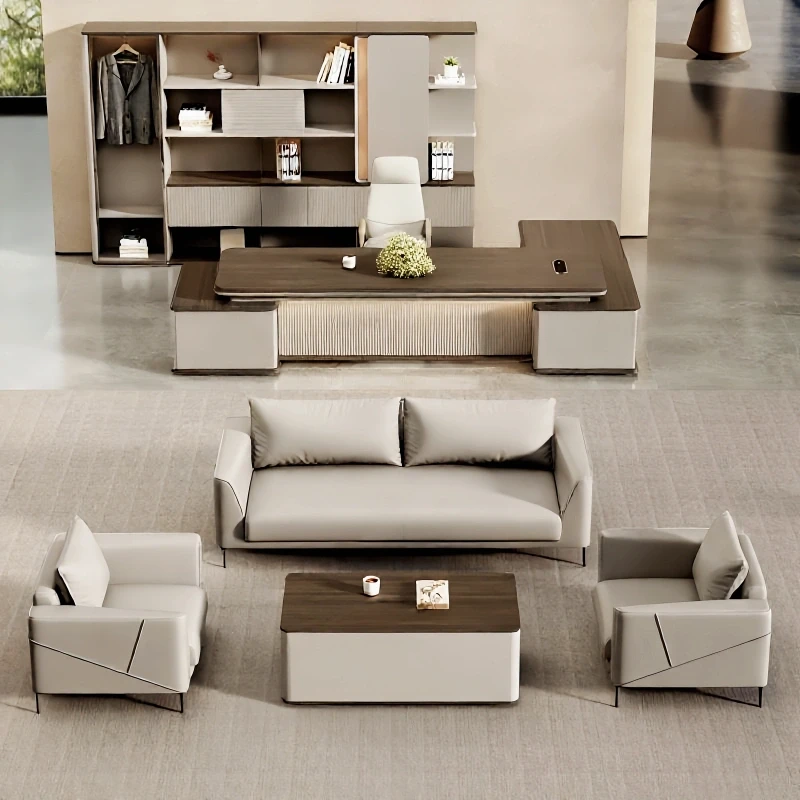
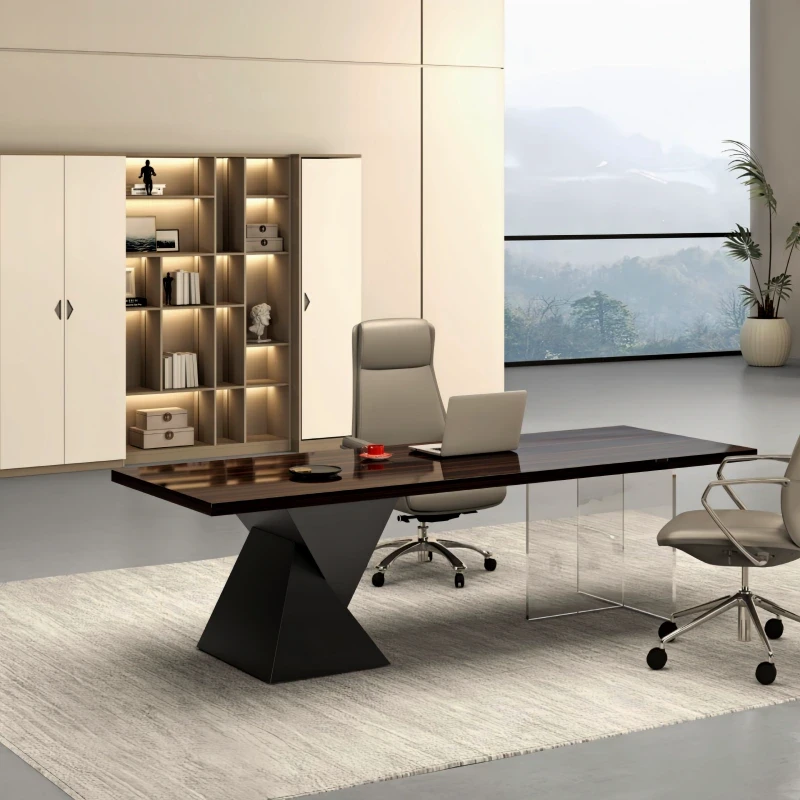


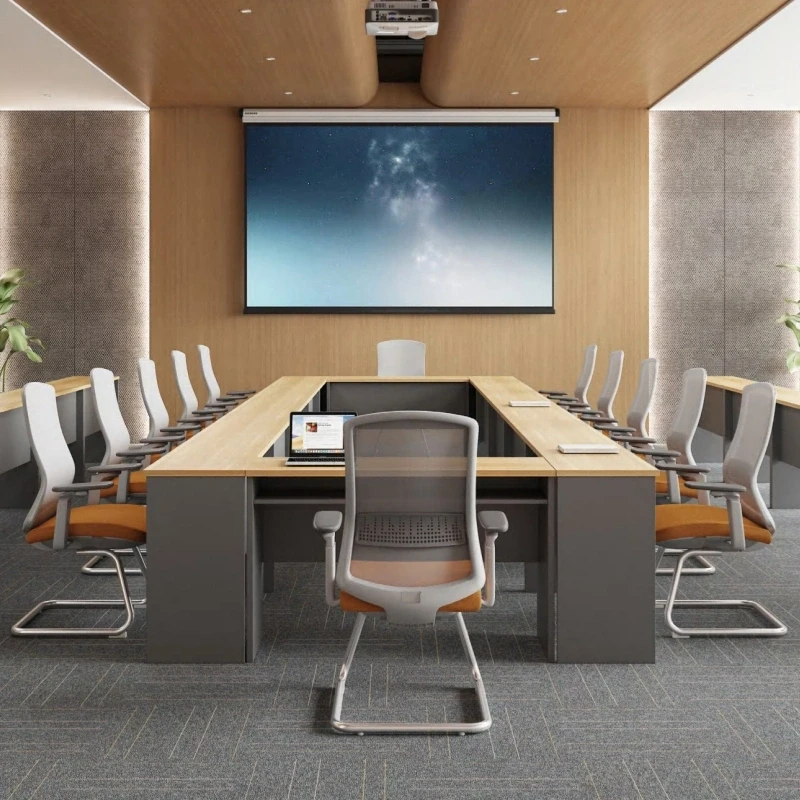
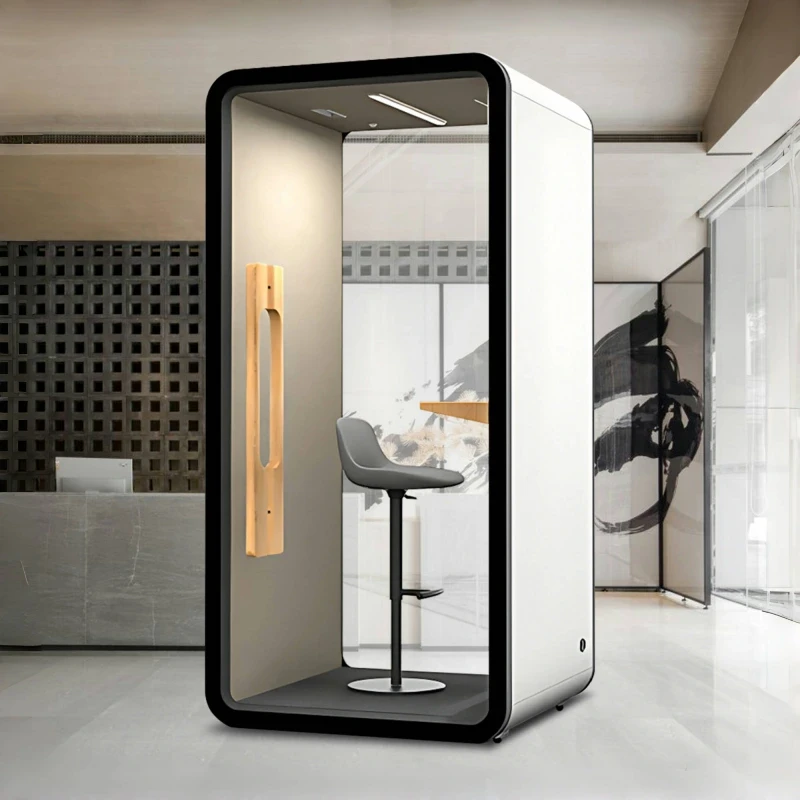
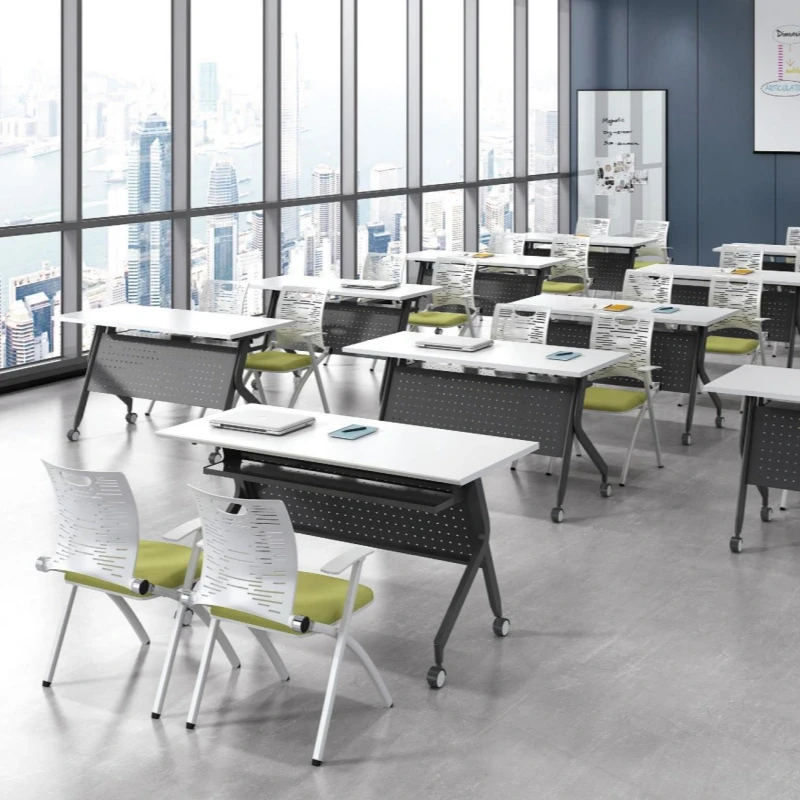
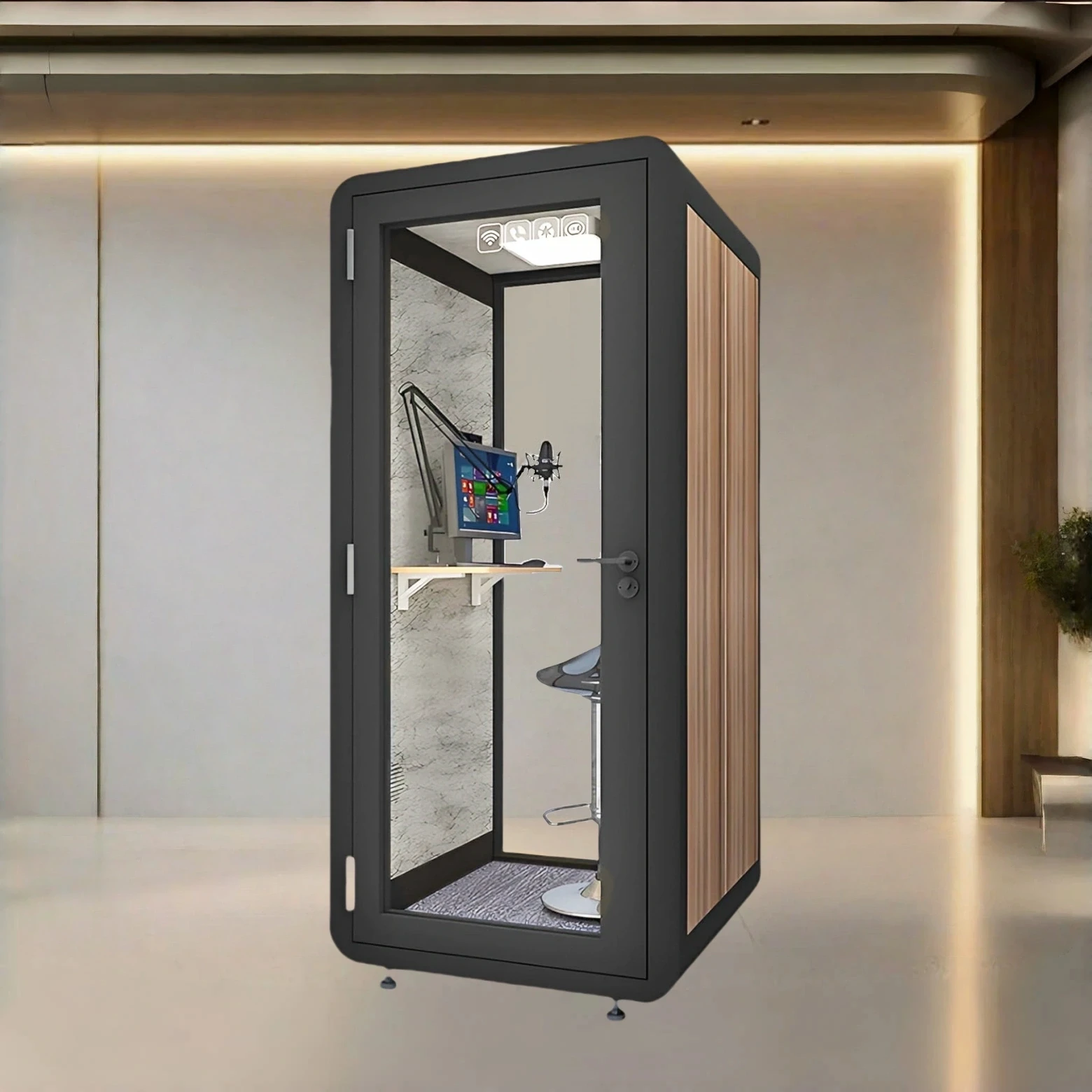
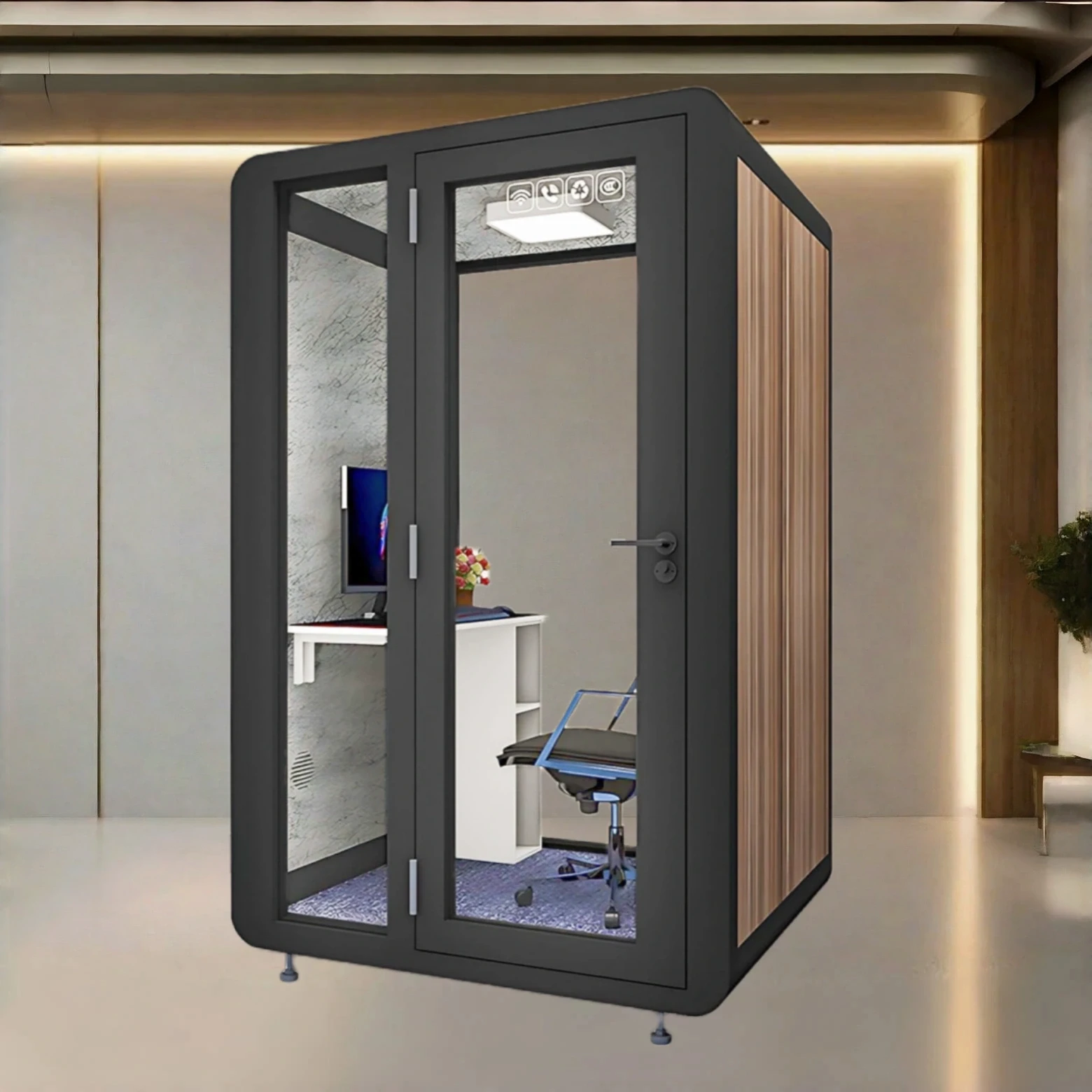
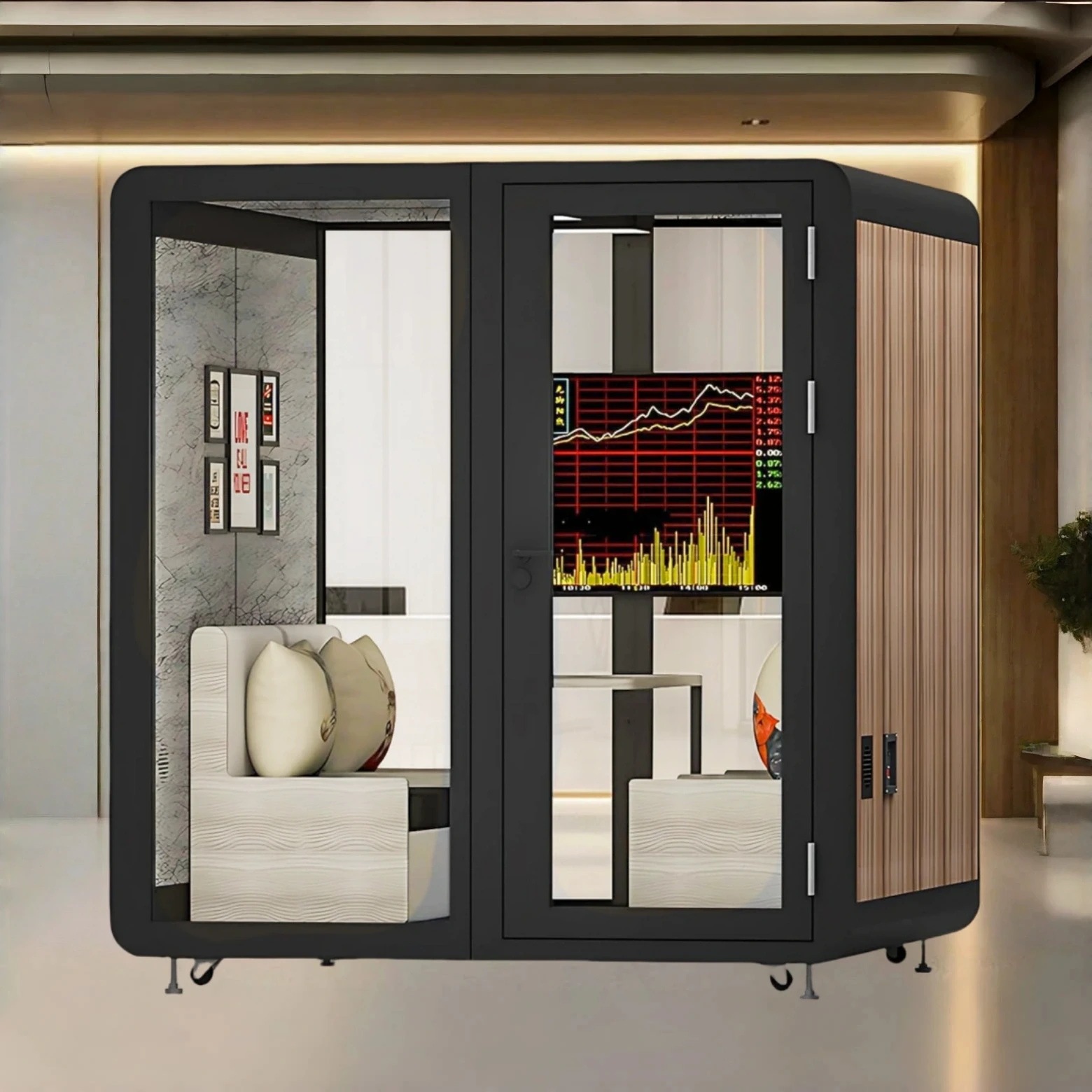
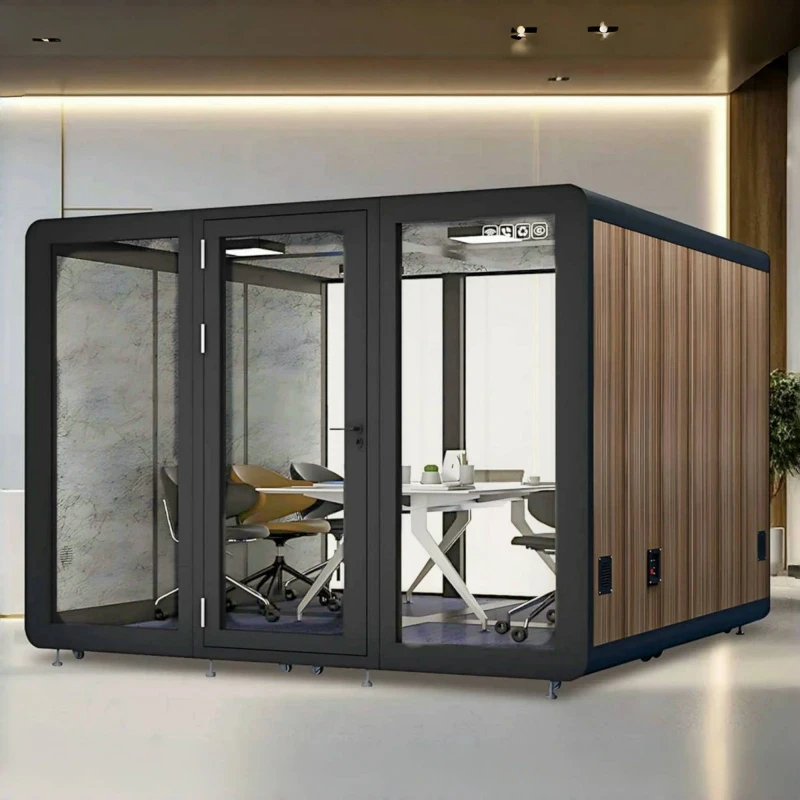
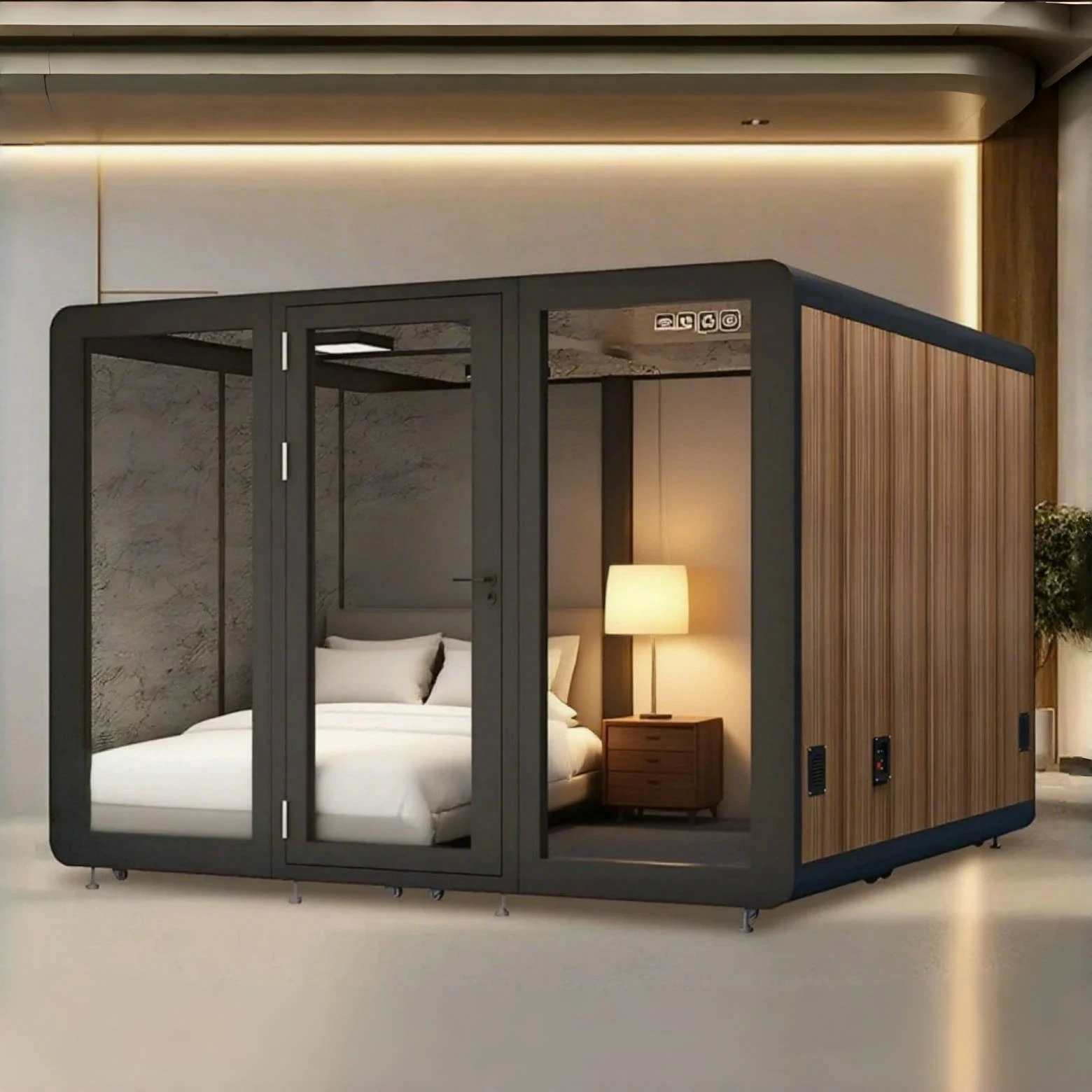


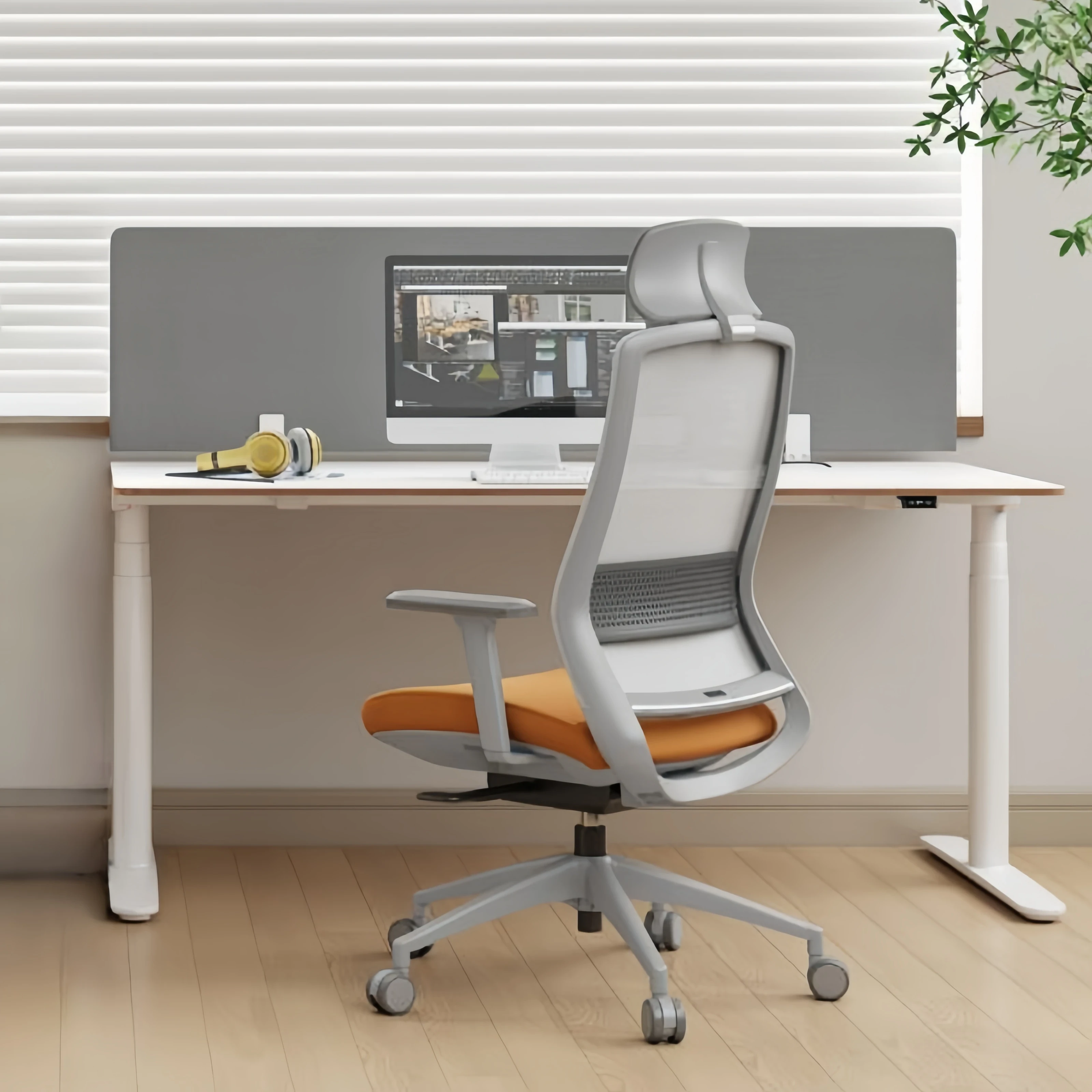


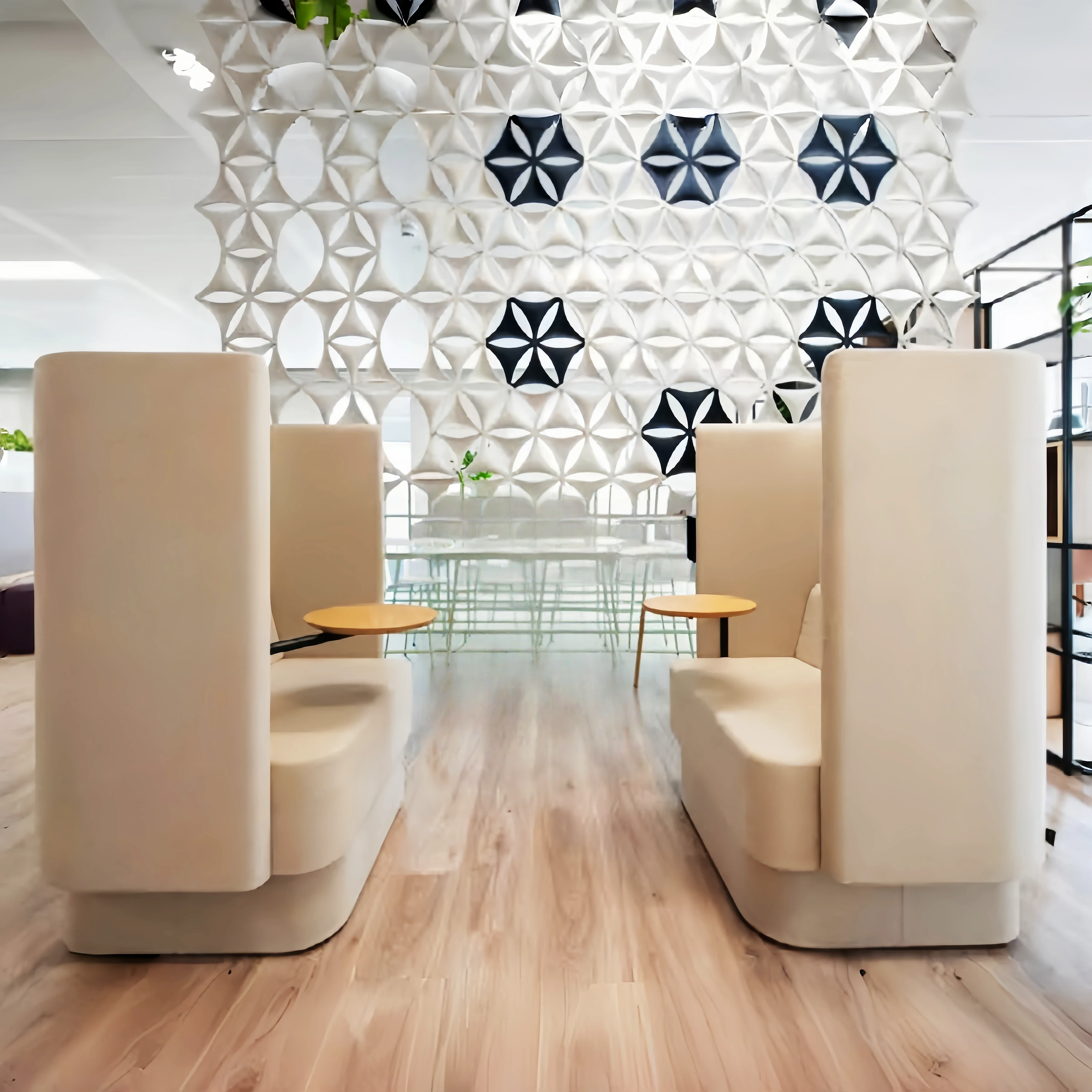

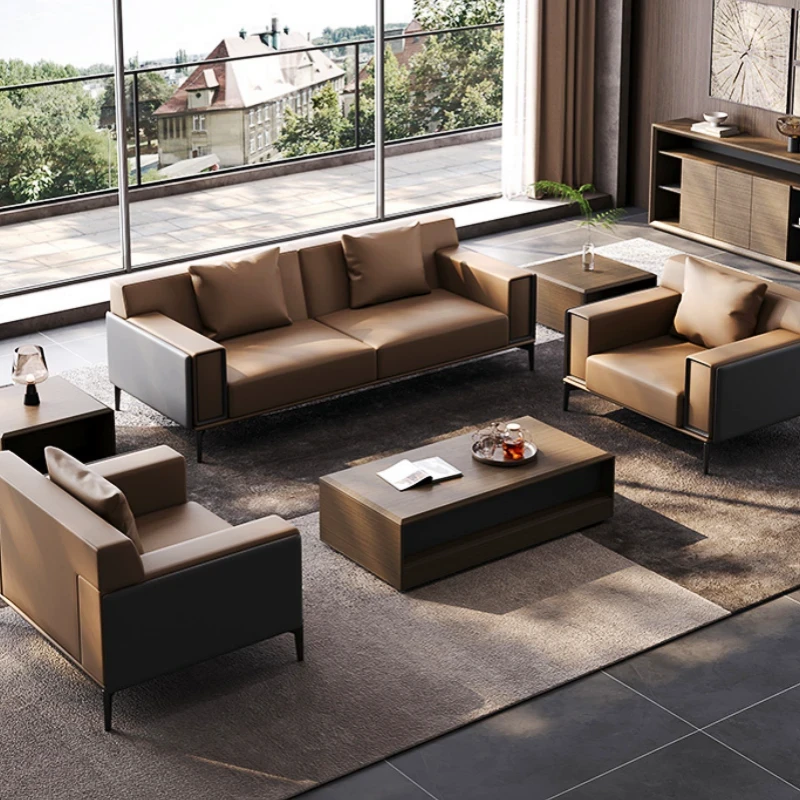
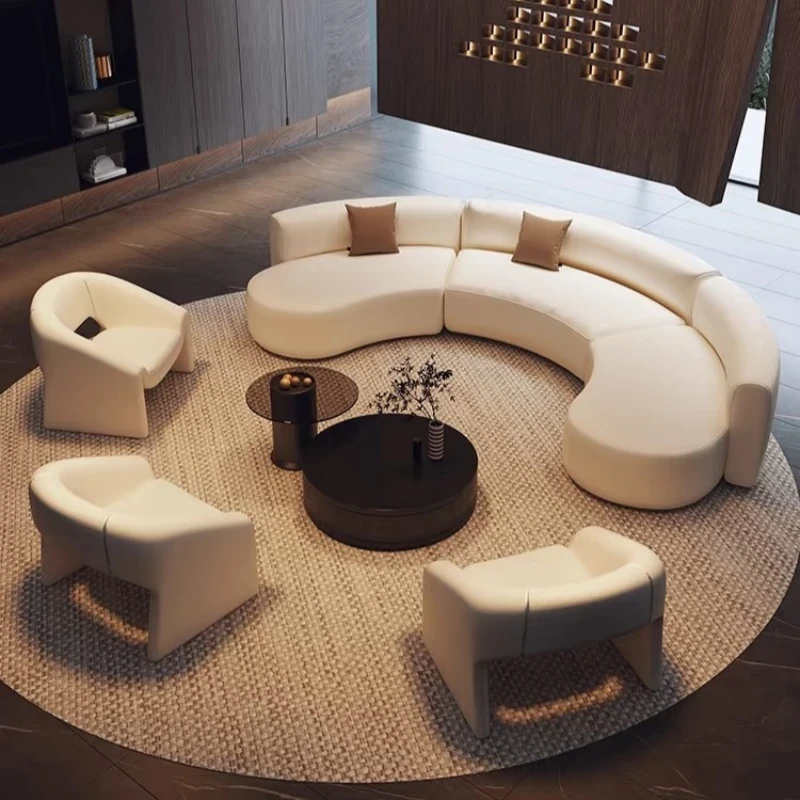
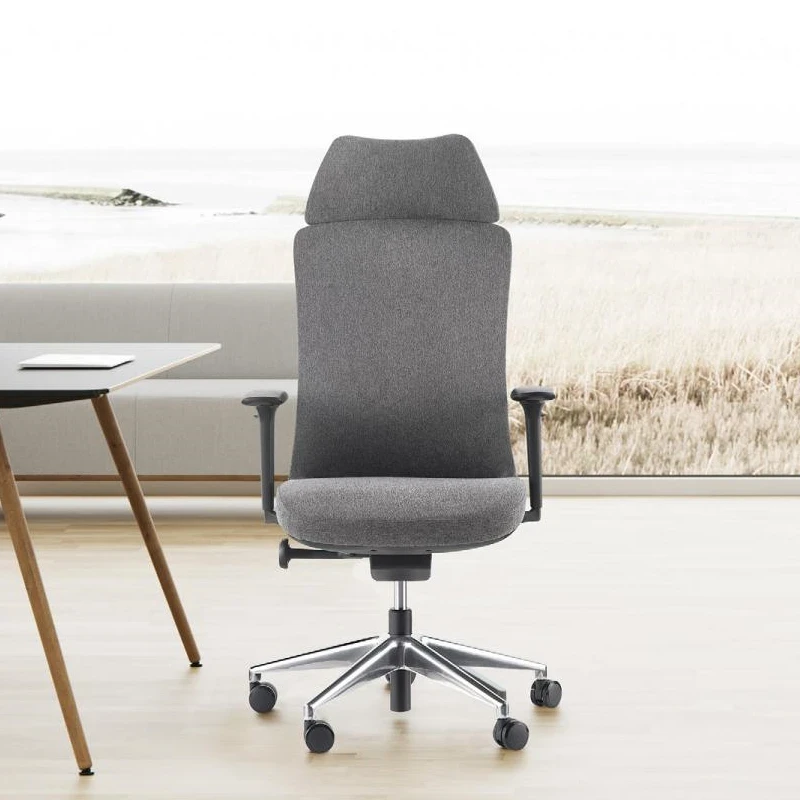


The reception room is the first space visitors encounter upon entering a company, typically used for waiting and conversation. When designing reception room furniture, it's crucial to understand that its function extends beyond simply providing seating; it's an important space for showcasing the company image. Therefore, furniture selection needs to balance aesthetics and practicality.
2. Consistency Between Design Style and Brand Image:
The design style of reception room furniture should be consistent with the company's overall image. For high-end companies, sophisticated and elegant furniture may be more suitable; while for technology-driven companies, modern furniture designs can showcase innovation. Maintaining overall harmony is essential so that customers can immediately perceive the company culture upon entering.
3. Balancing Comfort and Aesthetics:
Customers often wait in the reception room, making furniture comfort paramount. Choose comfortable sofas and chairs to provide excellent support. Aesthetically, coordinate colors, materials, and the overall environment harmoniously to create a visually appealing reception room. Furthermore, furniture colors should be gentle, avoiding overly glaring hues to create a relaxing atmosphere.
4. Functional Considerations:
Reception room furniture must not only meet aesthetic standards but also prioritize practical functionality. For example, providing footstools, coffee tables, and power outlets can cater to different customer needs. Choosing furniture with storage functions can also create a tidier environment, preventing the space from appearing cluttered.
5. Materials and Environmental Awareness:
When selecting furniture for the reception area, environmentally friendly materials should be prioritized. Creating a healthy reception environment for customers not only demonstrates the company's care for its clients but also enhances its corporate image. Durable materials also reduce the frequency of furniture replacement, lowering long-term costs.
6. Spatial Layout and Passage Design:
The furniture layout in the reception area should prioritize communication and flow, allowing customers to easily find the space they need. In situations with limited space, a clear flow path should be established to prevent customers from feeling uncomfortable in crowded conditions. A reasonable layout not only improves space utilization but also increases customer comfort and a sense of security.
7. Details Determine Success or Failure:
Small details in the reception area cannot be overlooked. For example, providing a water dispenser, magazine rack, and air conditioning can make customers feel the company's human touch. These details subtly increase customer satisfaction and, at the same time, enhance the company's image.
Conclusion:
The choice of reception area furniture is crucial for creating a positive first impression on customers. By understanding the function of the reception area, maintaining a unified design style, balancing comfort and aesthetics, focusing on functionality, selecting environmentally friendly materials, and optimizing the spatial layout, a friendly, comfortable, and attractive reception environment can be created for customers, thereby enhancing the company's overall image and customer satisfaction.