
 USD
USD GBP
GBP
 EUR
EUR
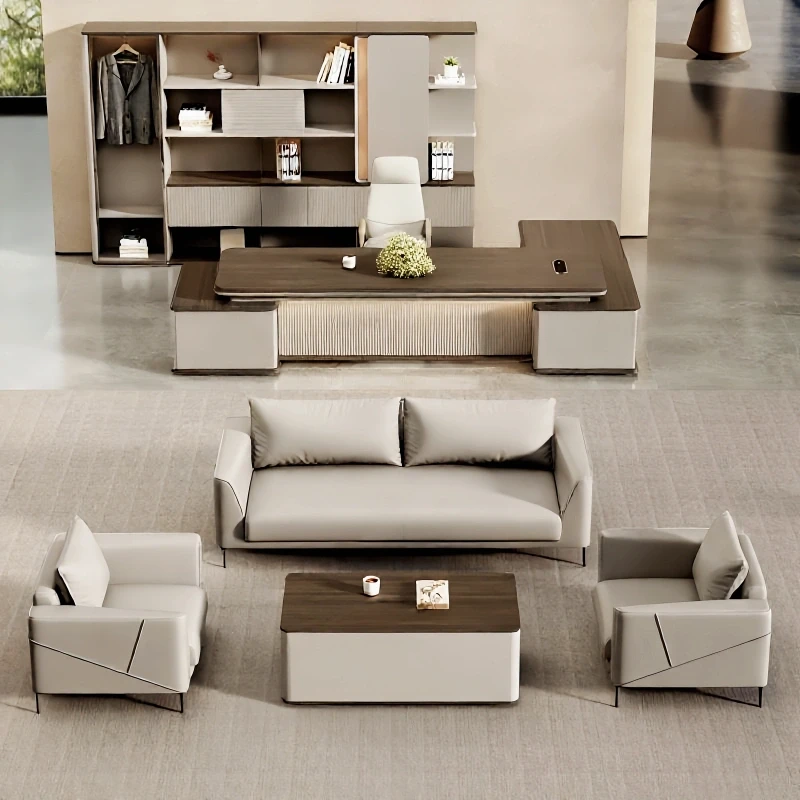
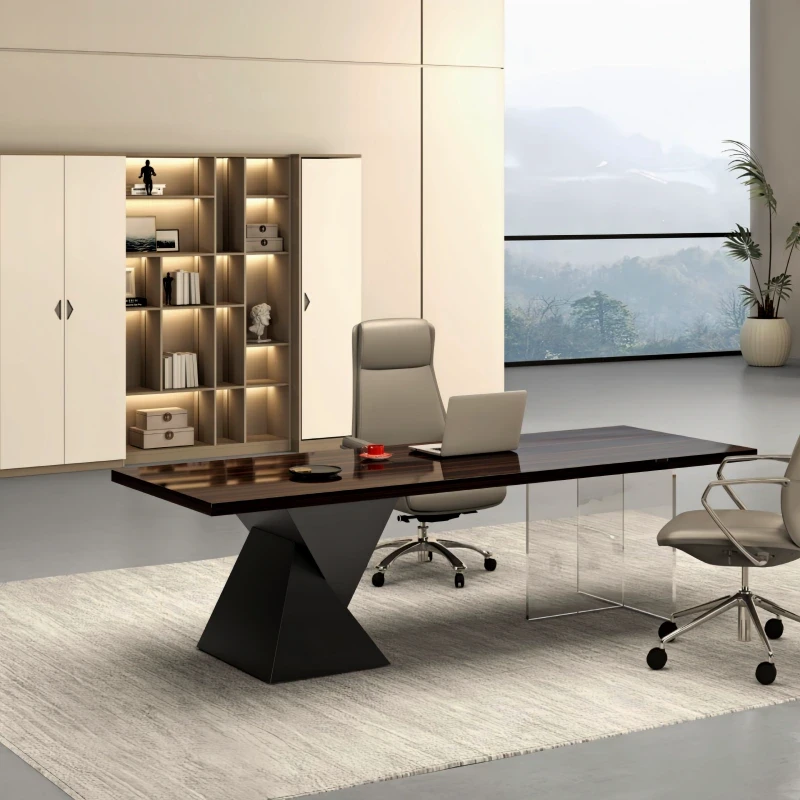


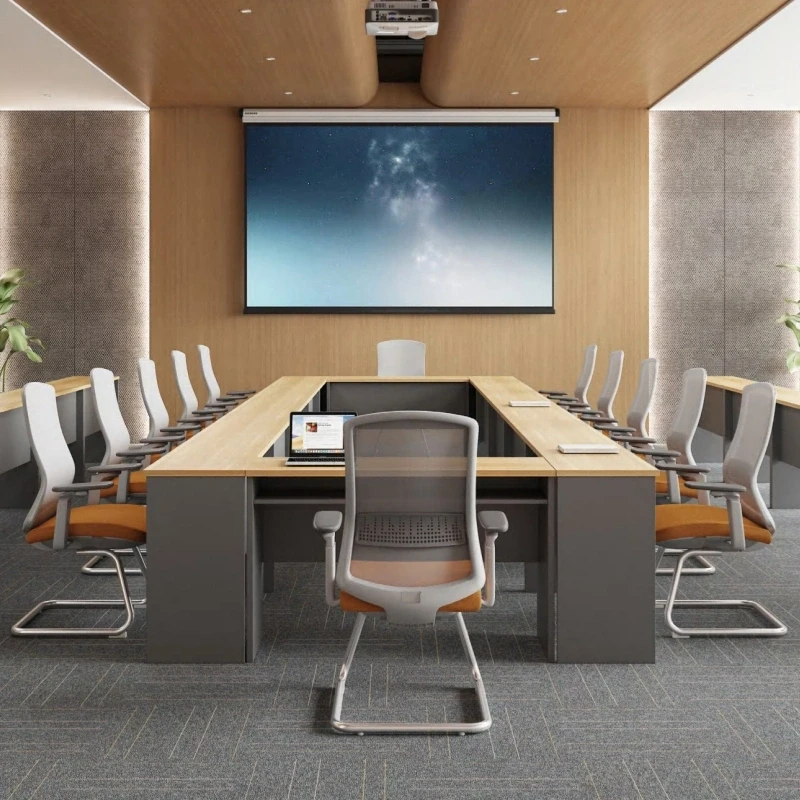
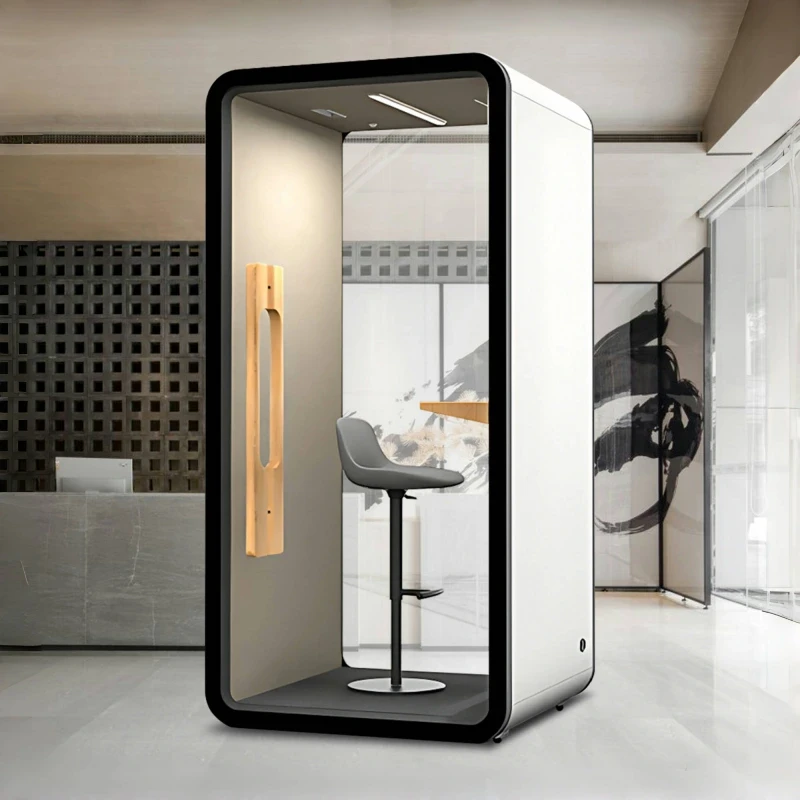
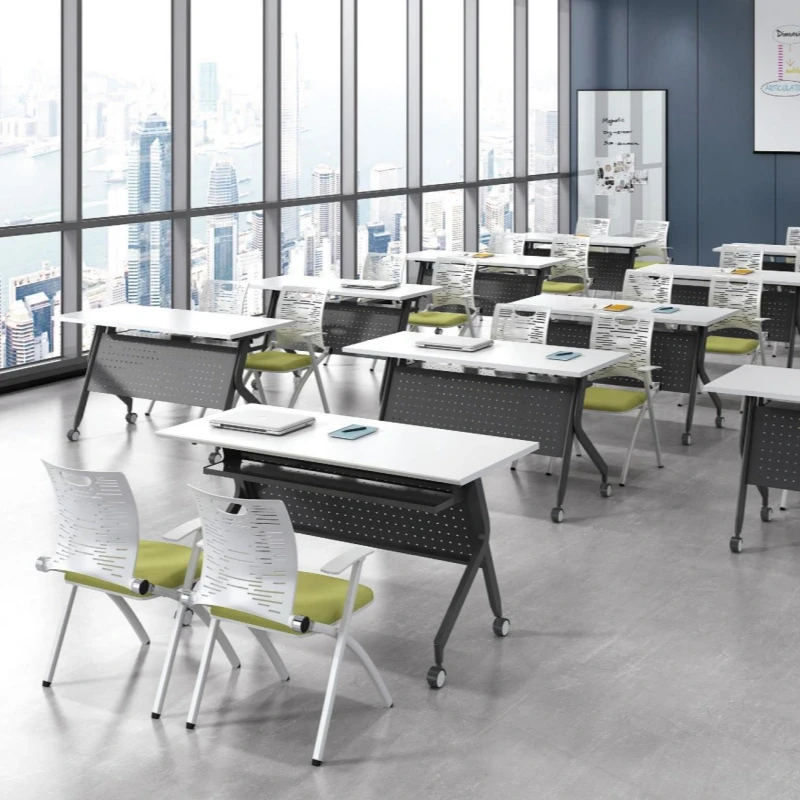
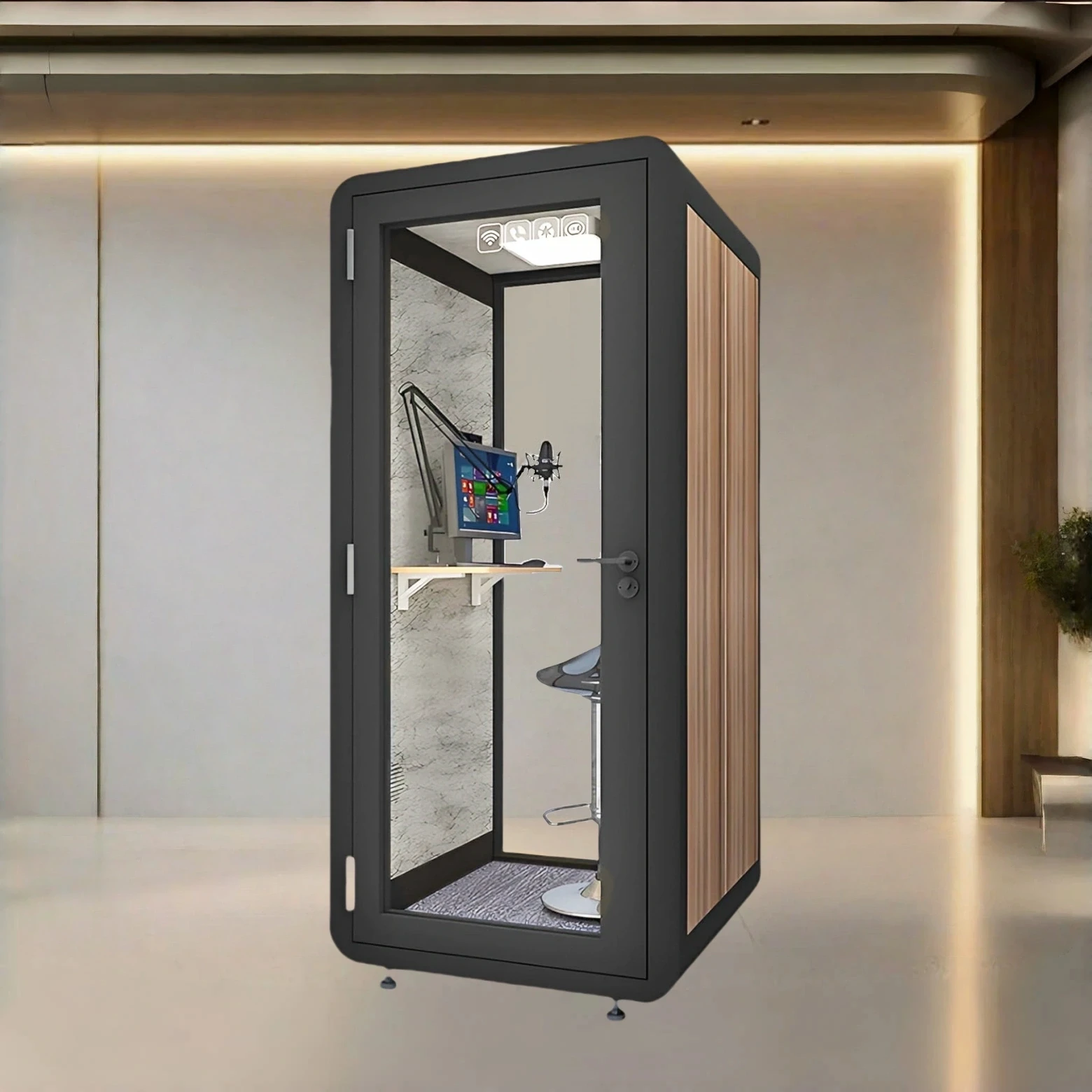
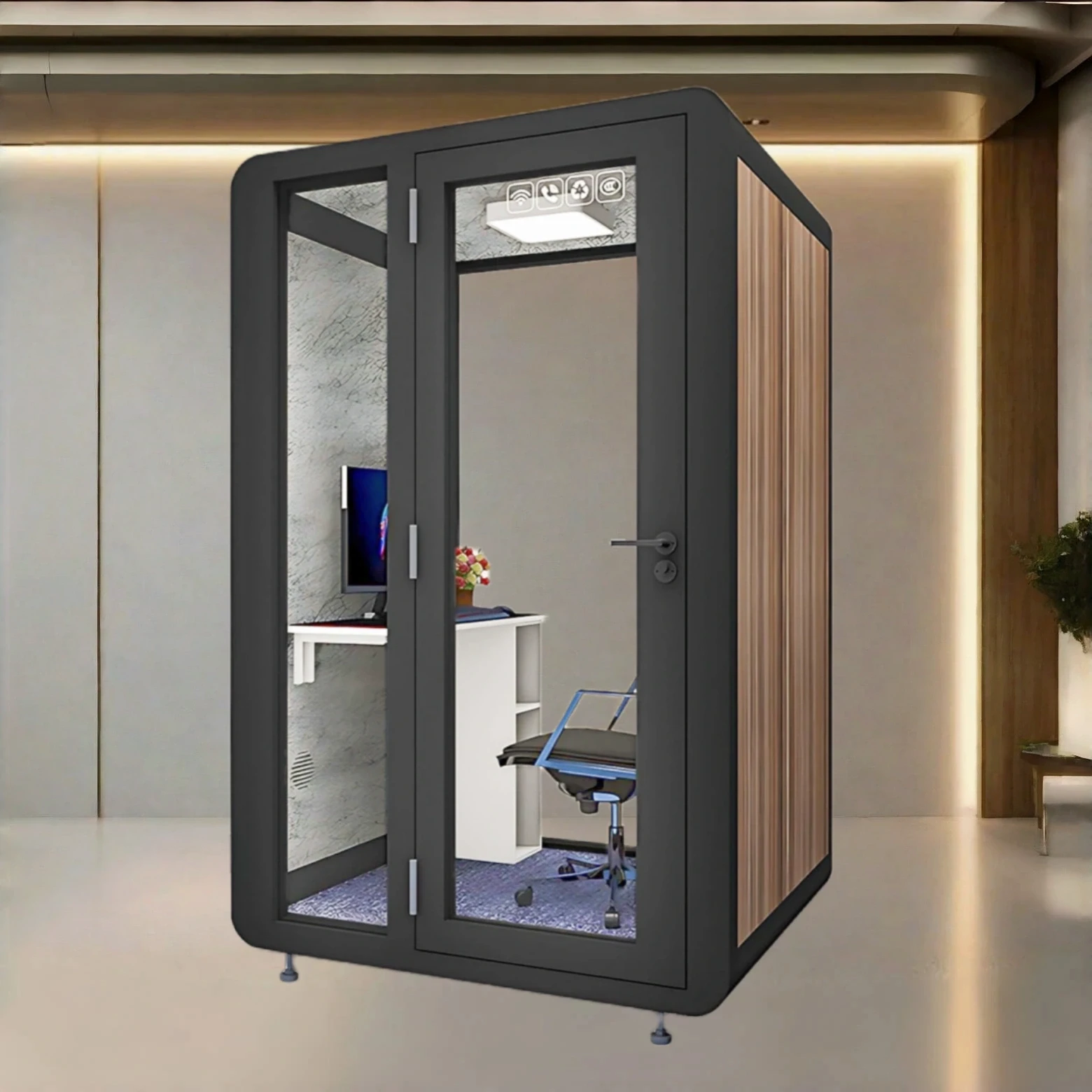
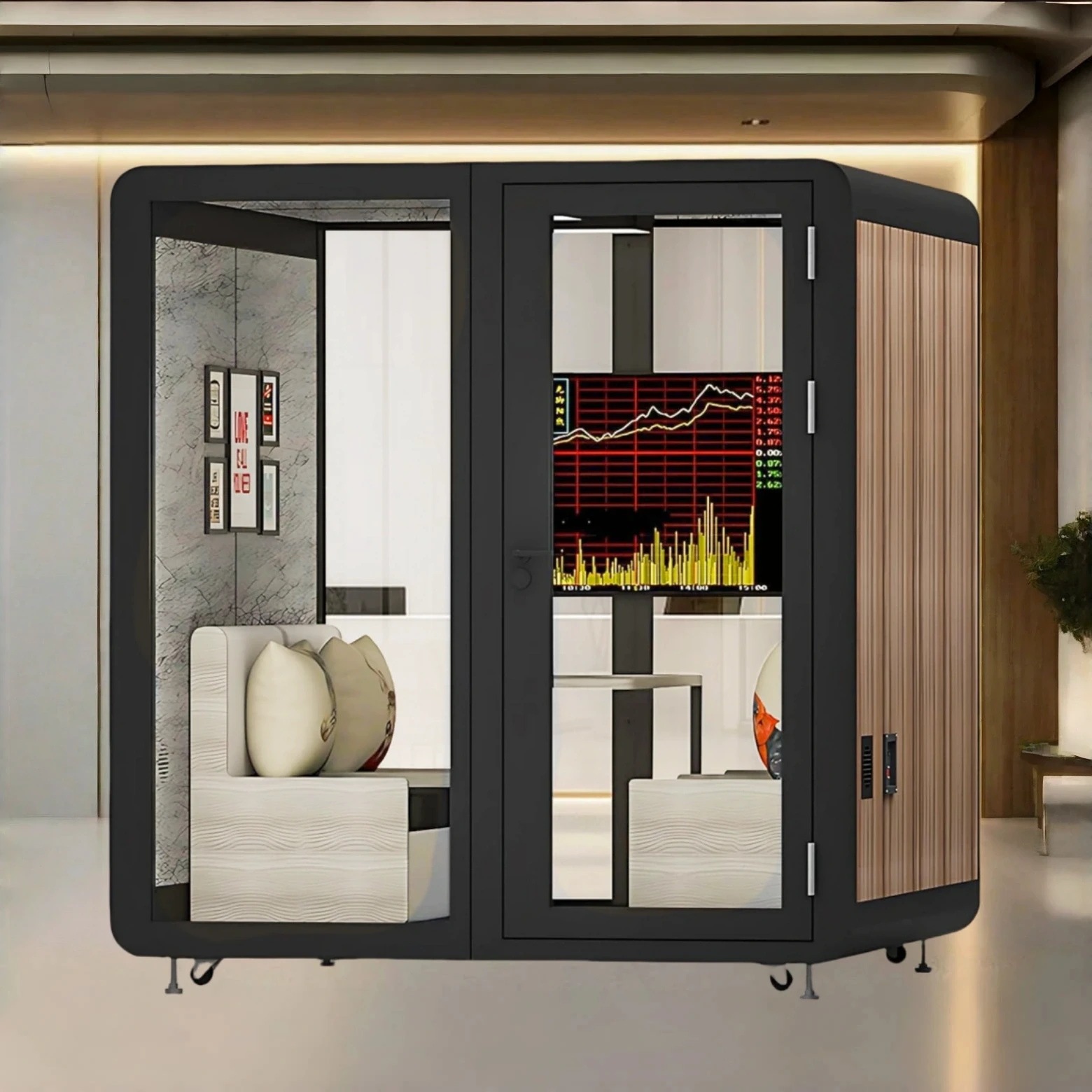
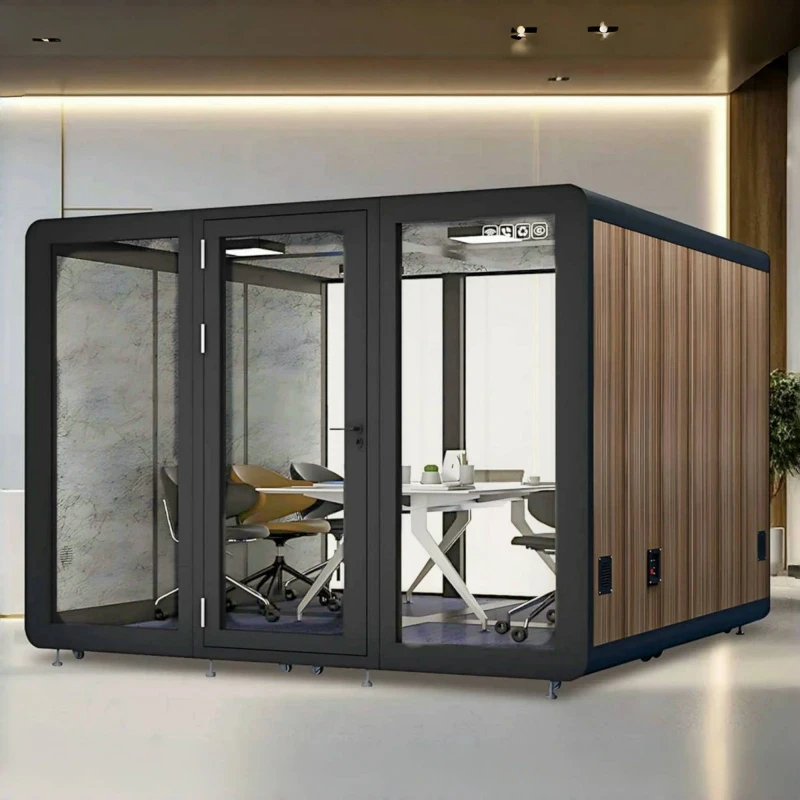
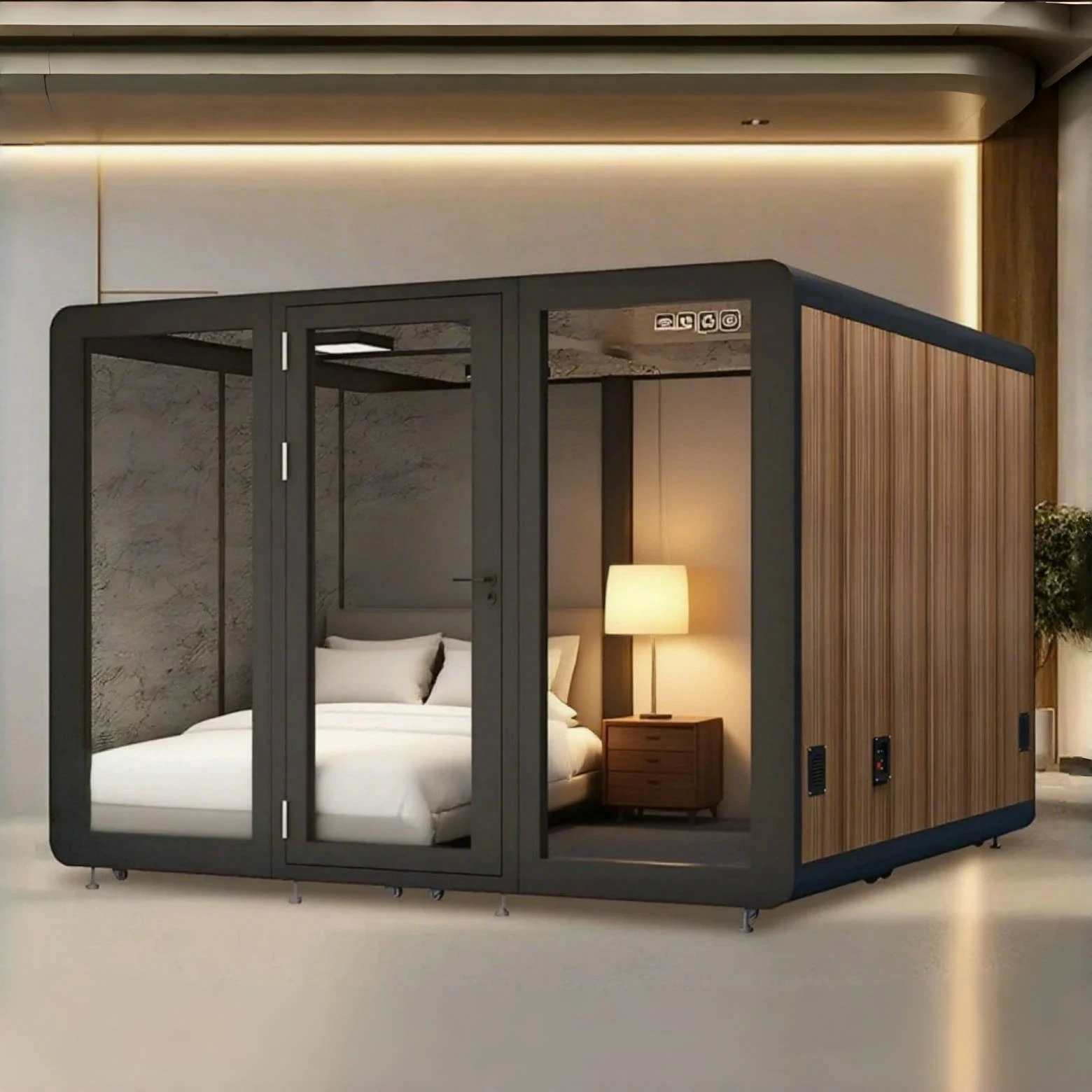


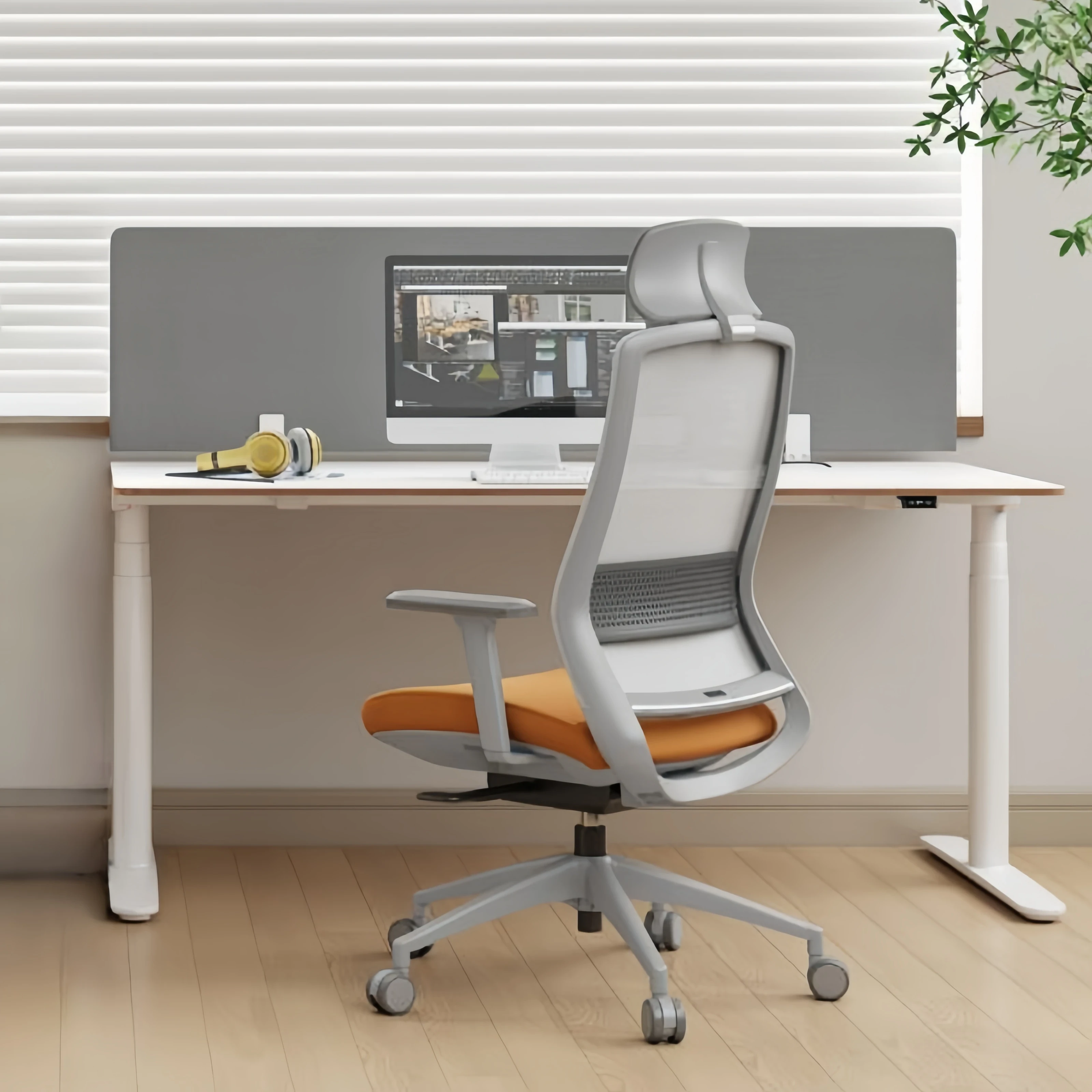


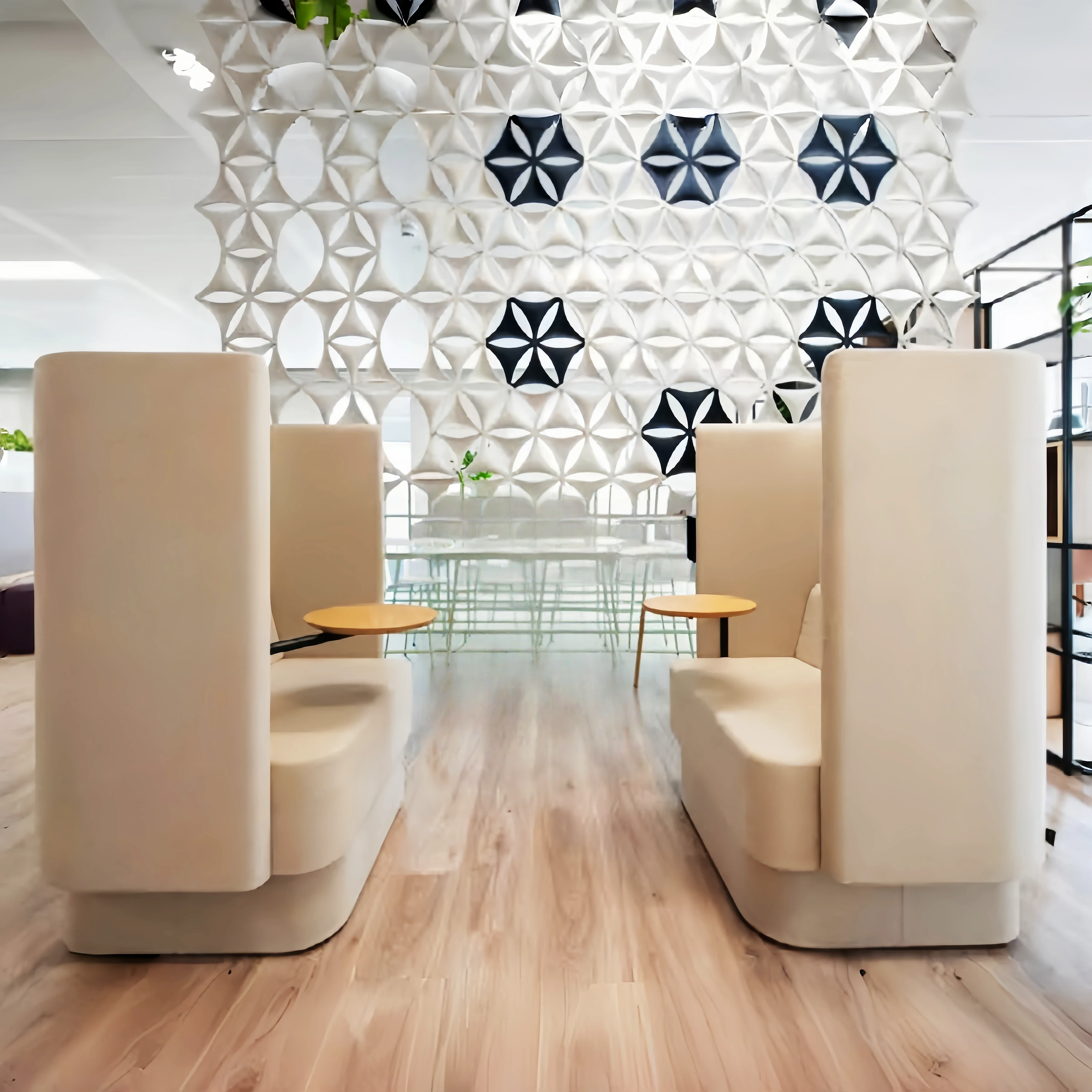

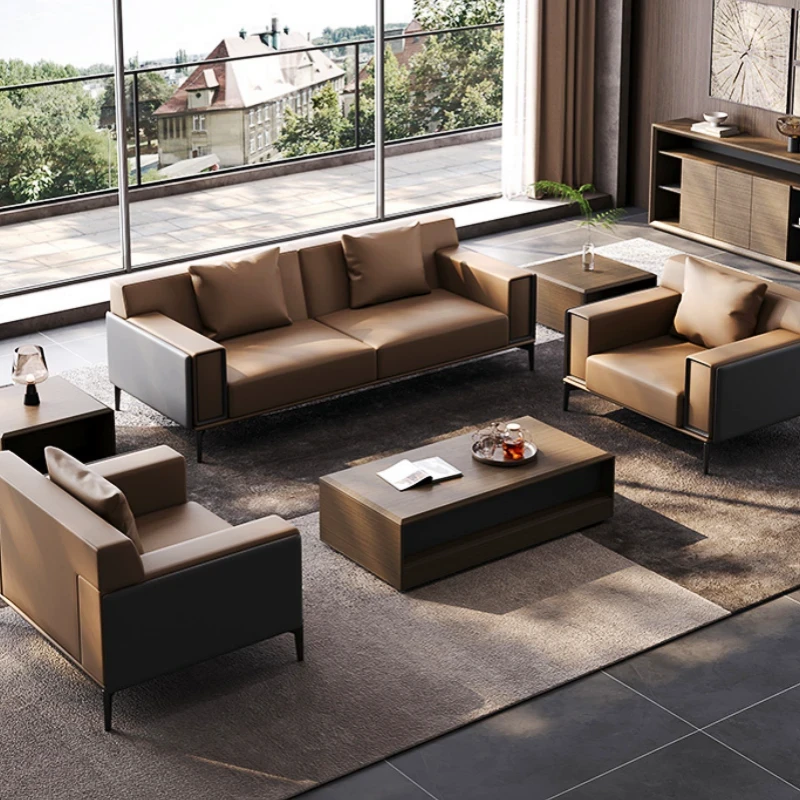
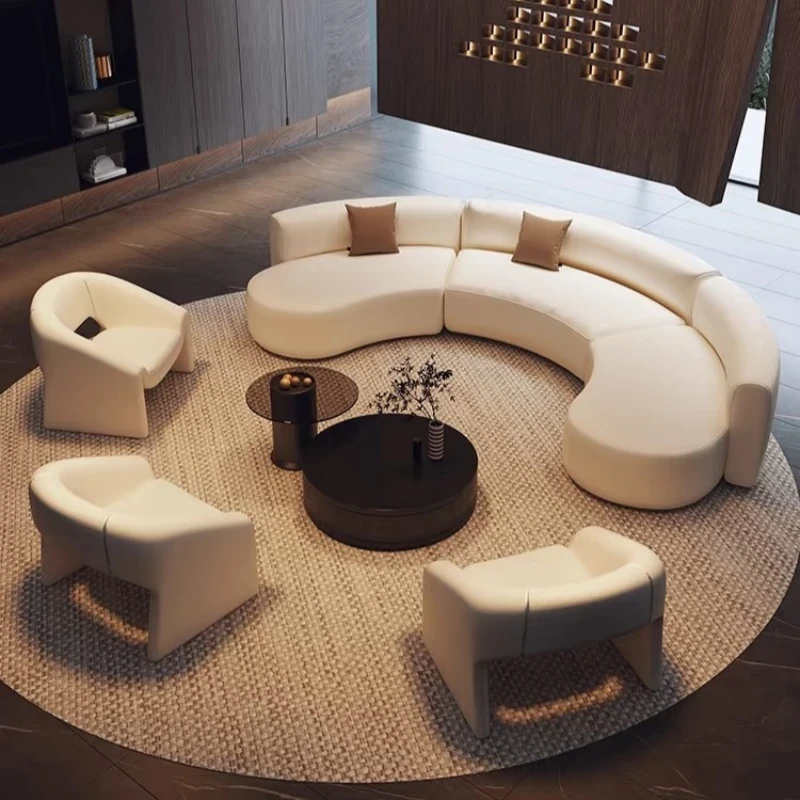
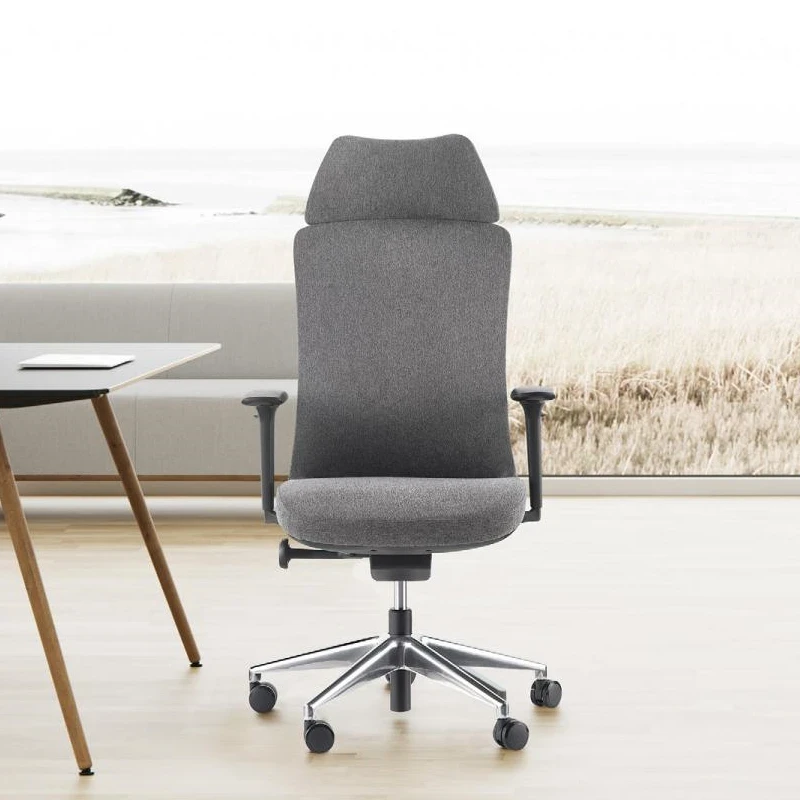


With the diversification of office environments, office furniture design is also changing along with office styles. A study of the sitting postures of 2 million people in 30 countries worldwide, combined with some electronic tools, has revealed nine new sitting postures in the information age.
Leaning back-When using (small or mobile) technological devices, people may lean back away from the table. Leaning back indicates that they are contemplating or absorbing information, or that they are bringing the device closer to achieve the best focus.
Multi-device posture-this posture represents how people adapt to using multiple devices to accomplish multiple tasks. One hand holds the phone to their ear, while the other hand flies across the laptop. The result is leaning forward, a signal of focused attention, and also reflects the trend of increasingly smaller laptop screens.
Texting – Compared to other electronic devices, smartphones are very small, thus requiring a unique posture. Employees have developed new postures by holding their arms close to their hands when texting.
The curl-up envelopment-people lean back, curl their legs up on their seats, and place their phones or tablets in front of them, resting them on their laps. This is what we call the curl-up envelopment-small mobile technology devices enable people to be productive in this posture.
Seated touchscreen – This posture is typically used when people are using devices on a workbench in “web surfing mode,” operating the device with one hand, usually in touchscreen mode. Because the device is on the workbench, the user must ensure that their head is a certain distance above the tablet to see the screen and maintain a downward-looking posture.
Smart mobility-this posture results from the use of mobile devices when people want to temporarily "disconnect" from others without leaving a meeting or collaborative environment. It's a typical temporary posture, often used when people quickly check text messages or emails.
Leaning forward-observations show that people use this posture when focusing on a screen for extended periods, using a mouse or touchpad to browse web pages. This is a posture that is sustained for a long time.
Lying flat on your back-in this position, people lean forward to browse content on a large screen and/or sit back in deep thought. This posture is more about "absorbing" than "generating" information.
Leaning forward – Leaning forward is a very common posture when using a laptop. When people feel tired, they gradually push the laptop towards the work surface, thus transferring some of their body weight to the surface for support. This causes people to reach forward to work. Because the back and neck cannot support this leaning forward posture for a long time, people start using their free arm to help support themselves.
Based on the above considerations regarding office posture, Creative Era Office Furniture has now designed all-around office furniture that is more suitable for office work and reduces office fatigue.