
 USD
USD GBP
GBP
 EUR
EUR
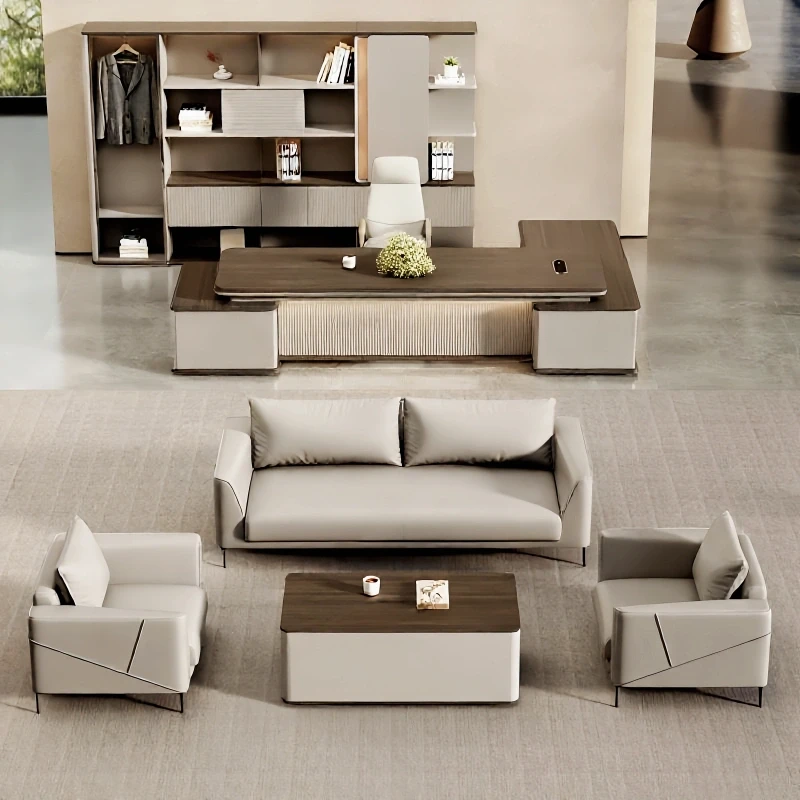
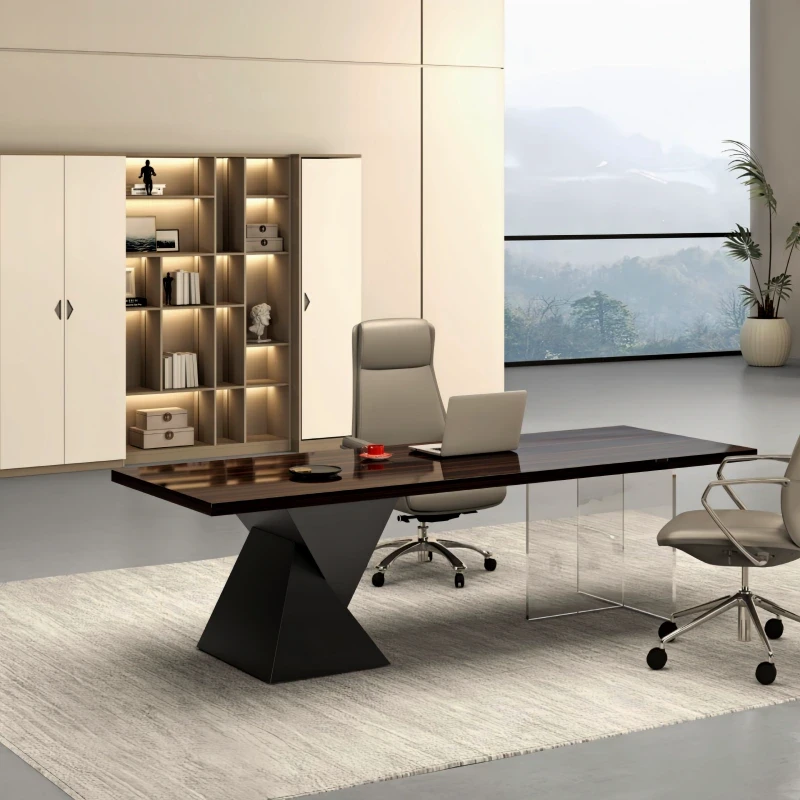


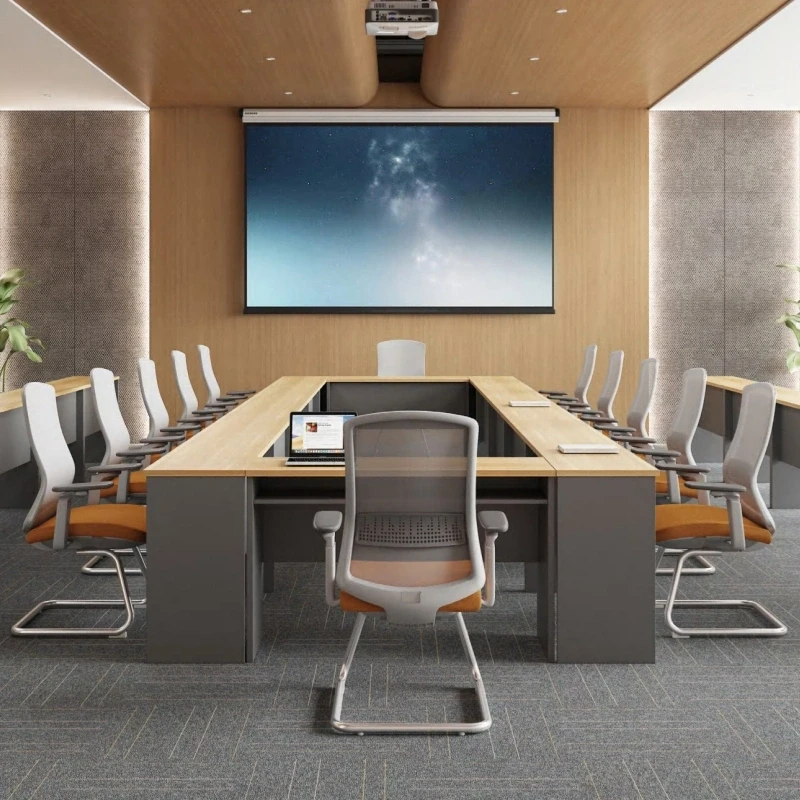
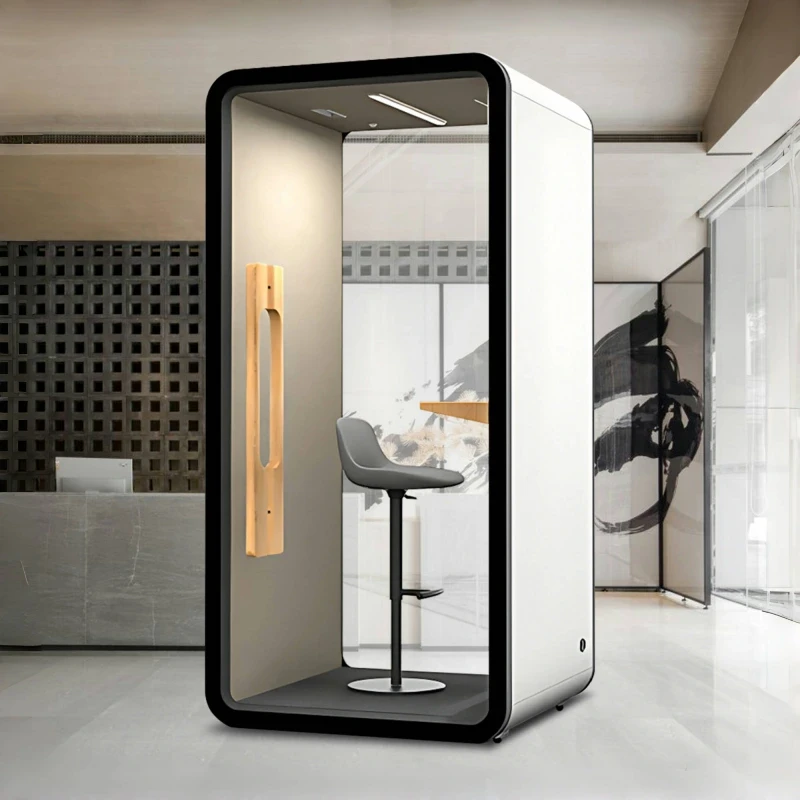
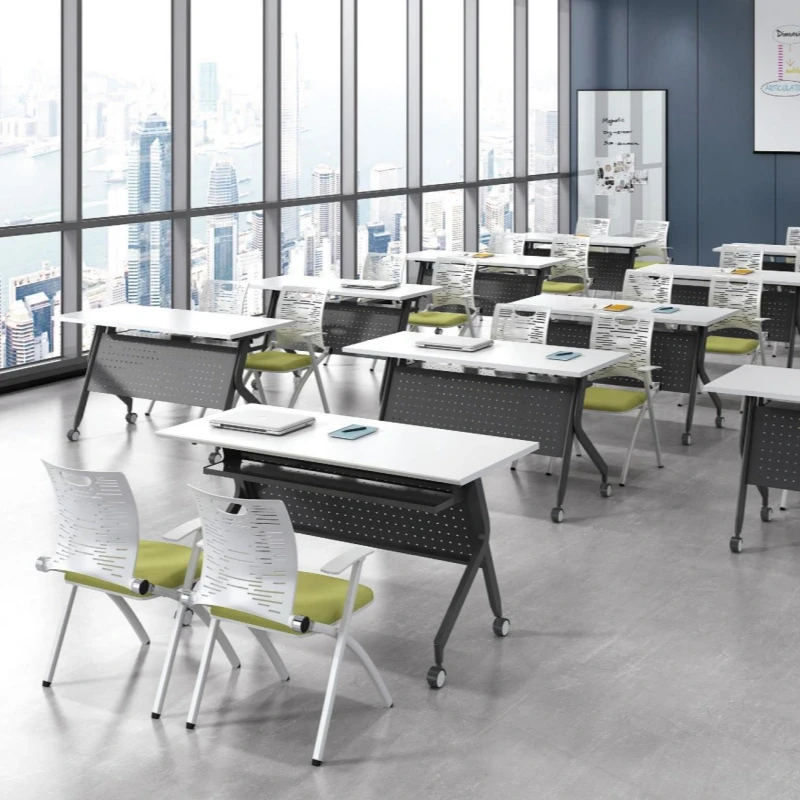
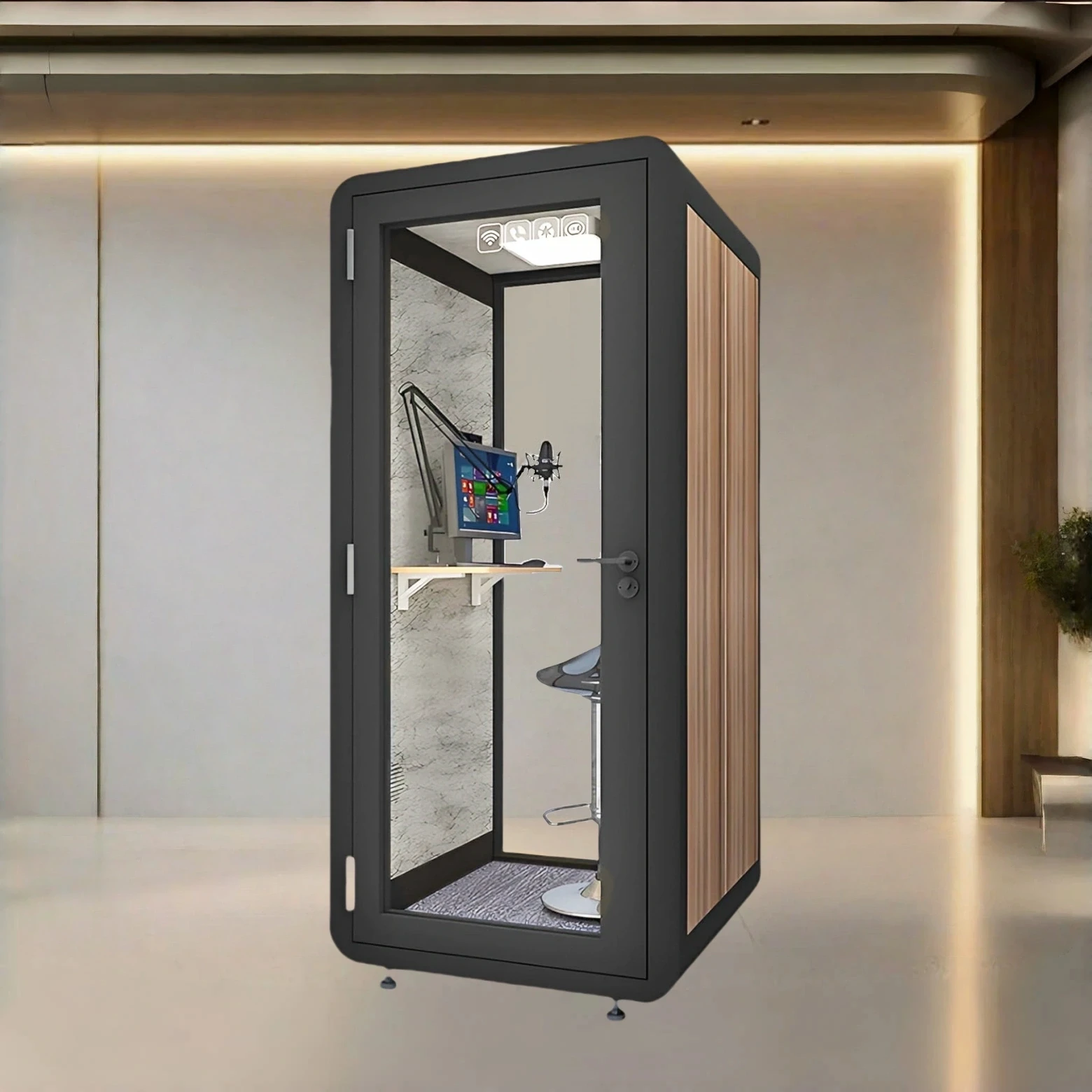
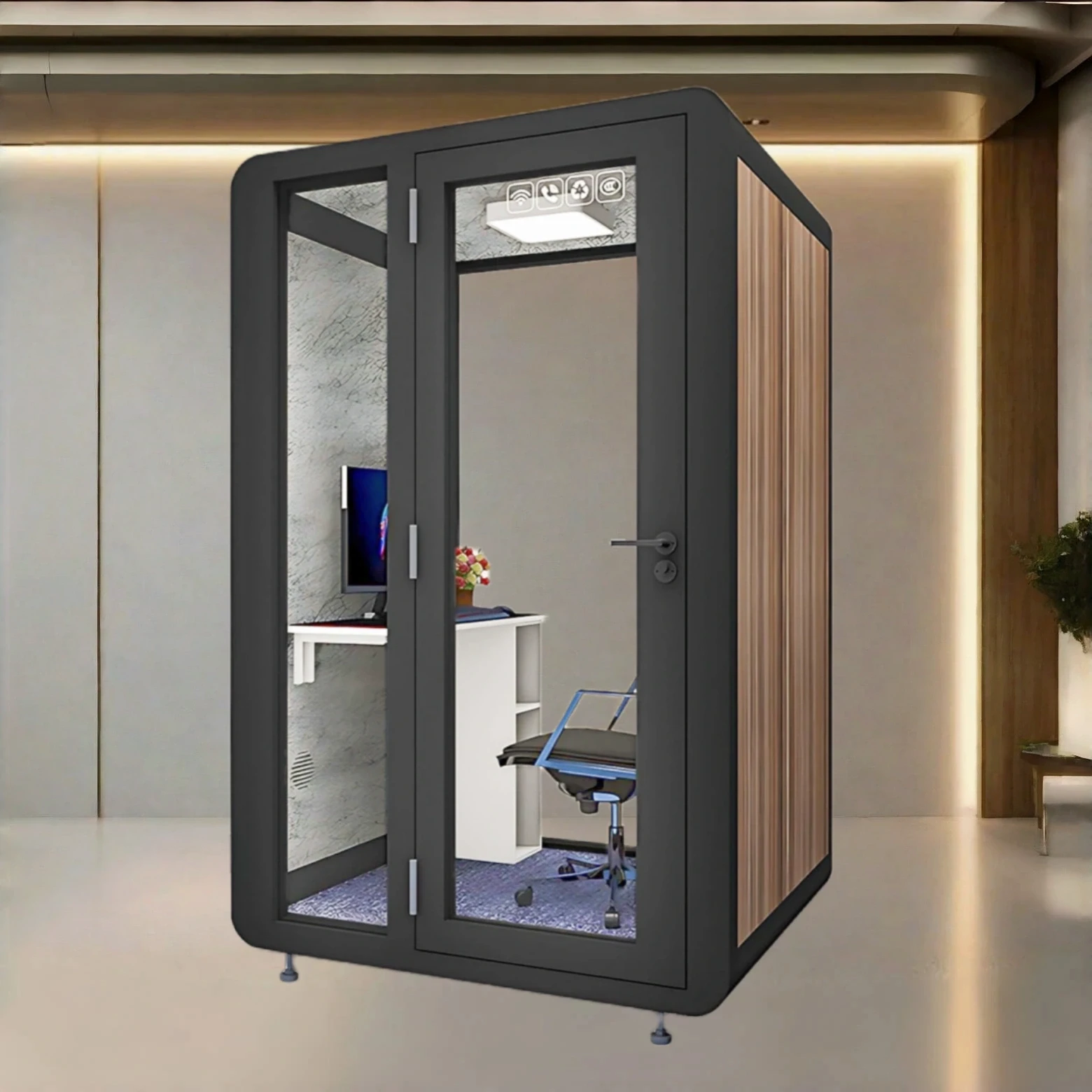
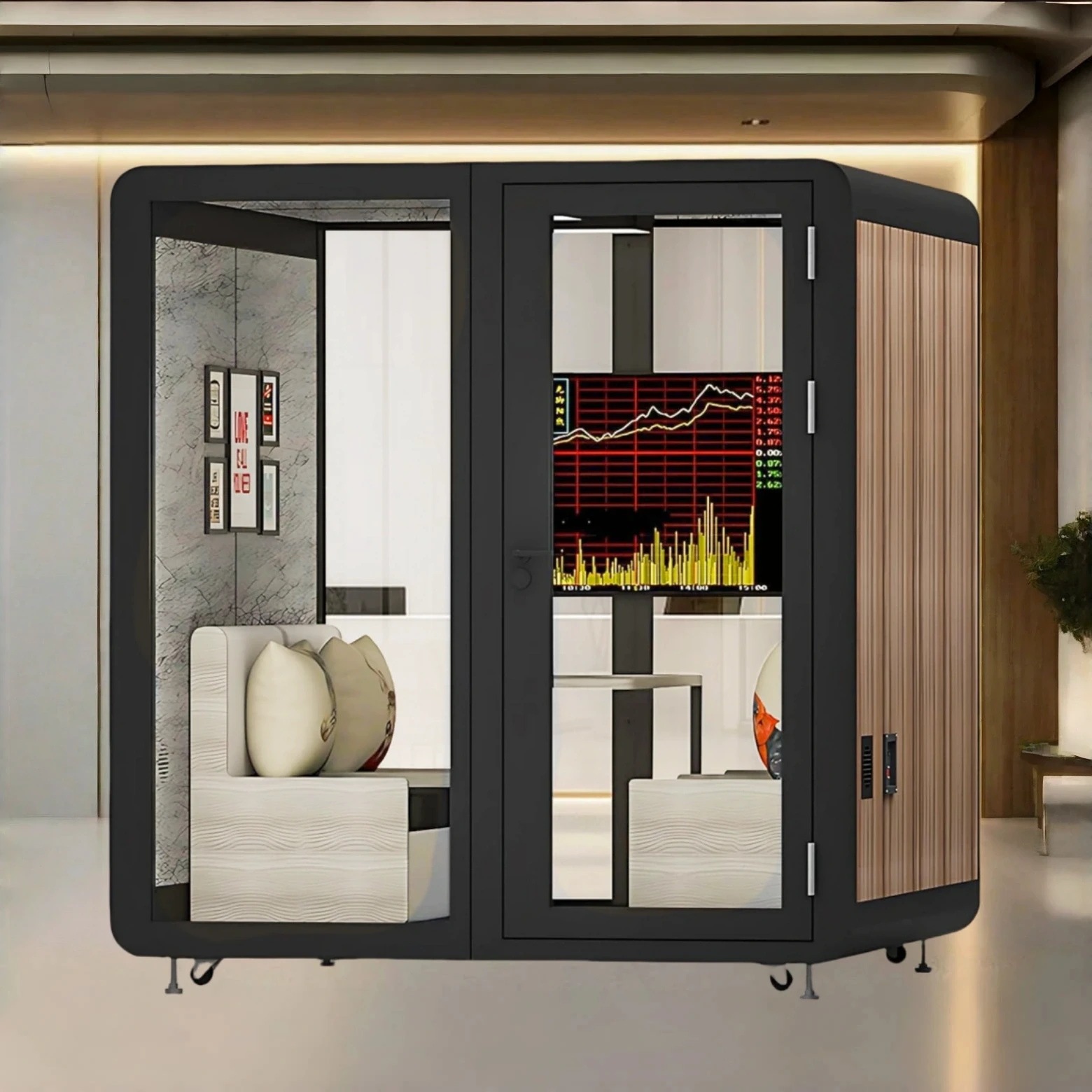
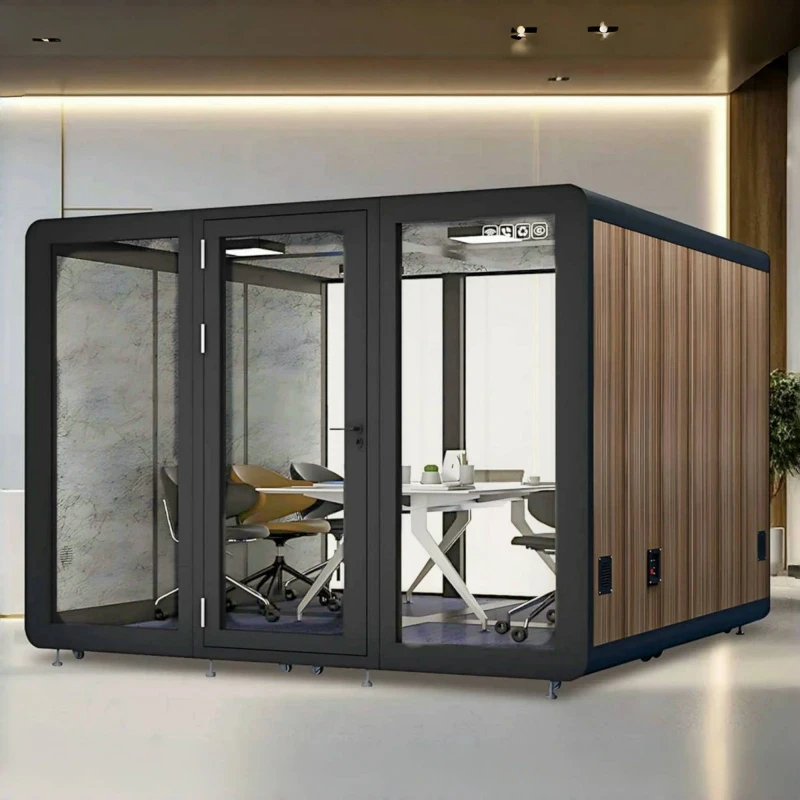



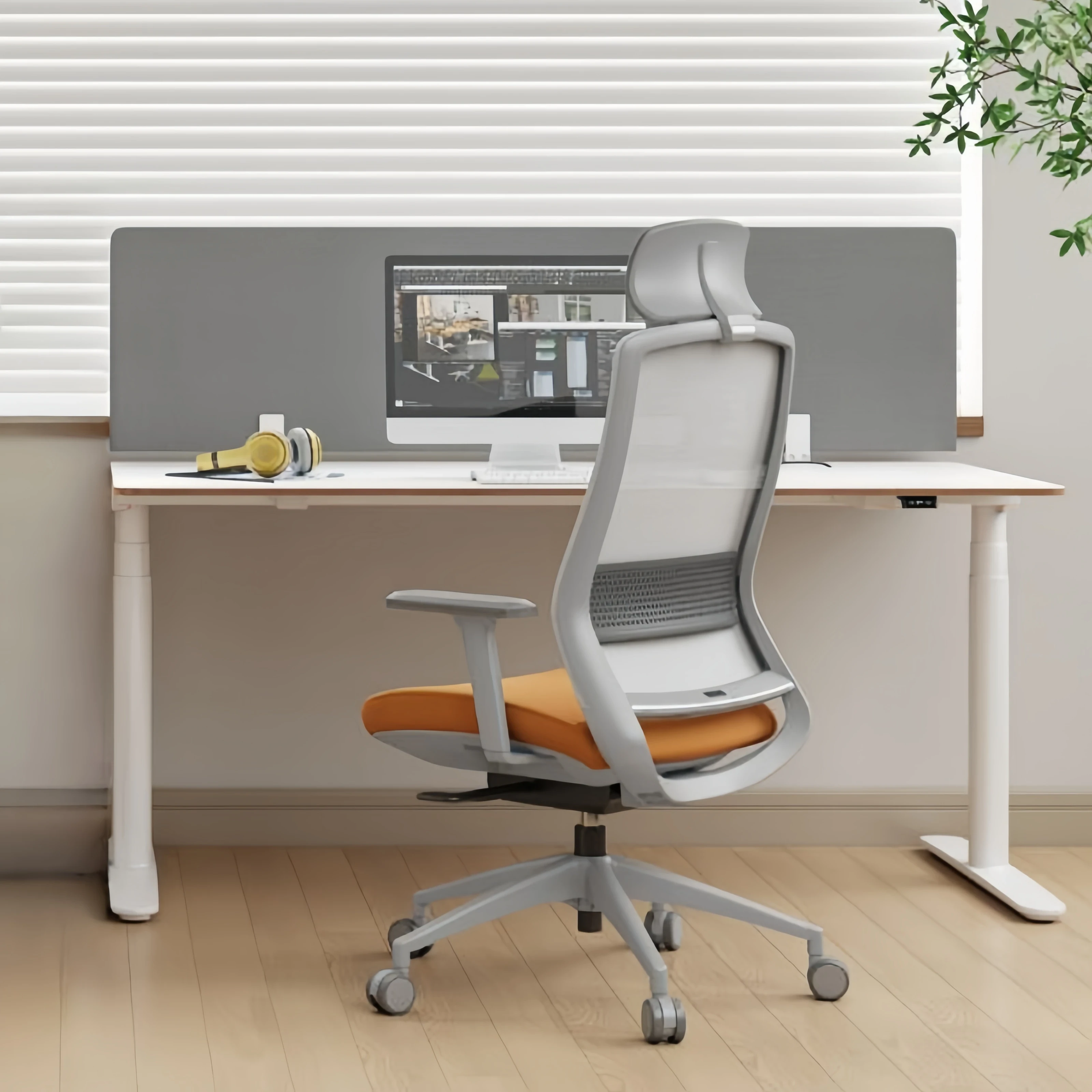


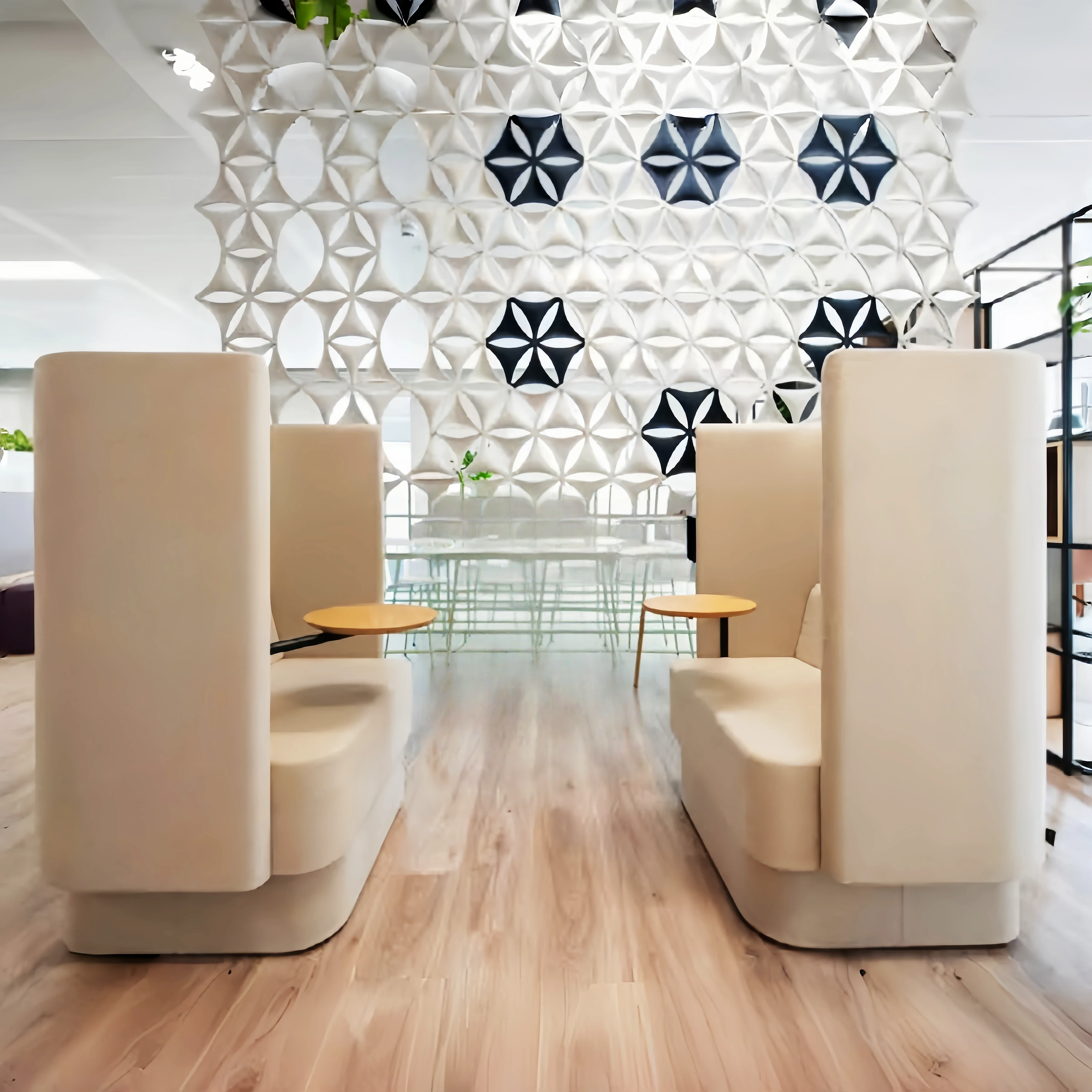

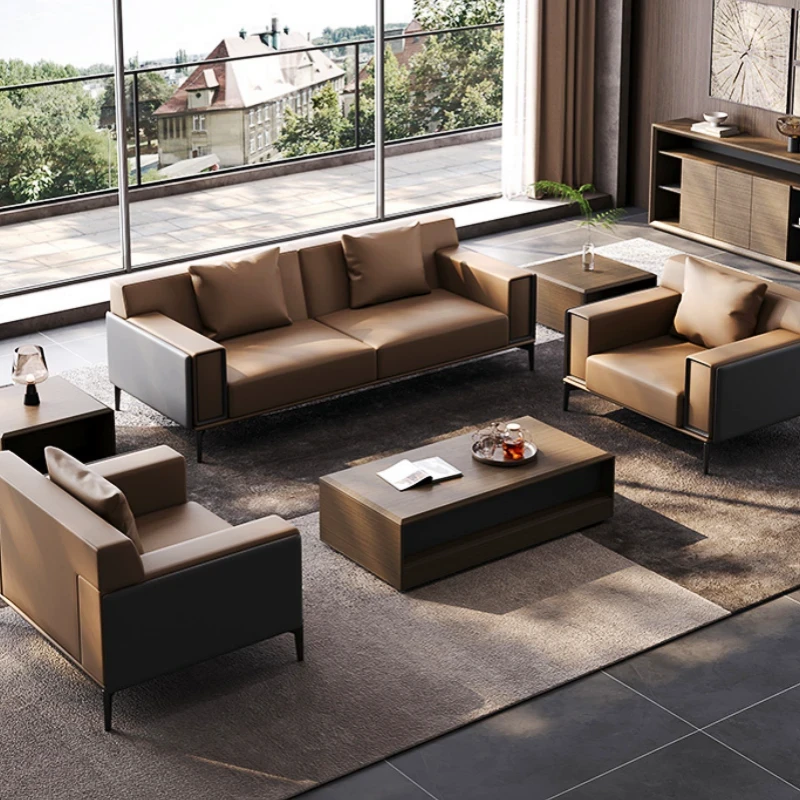
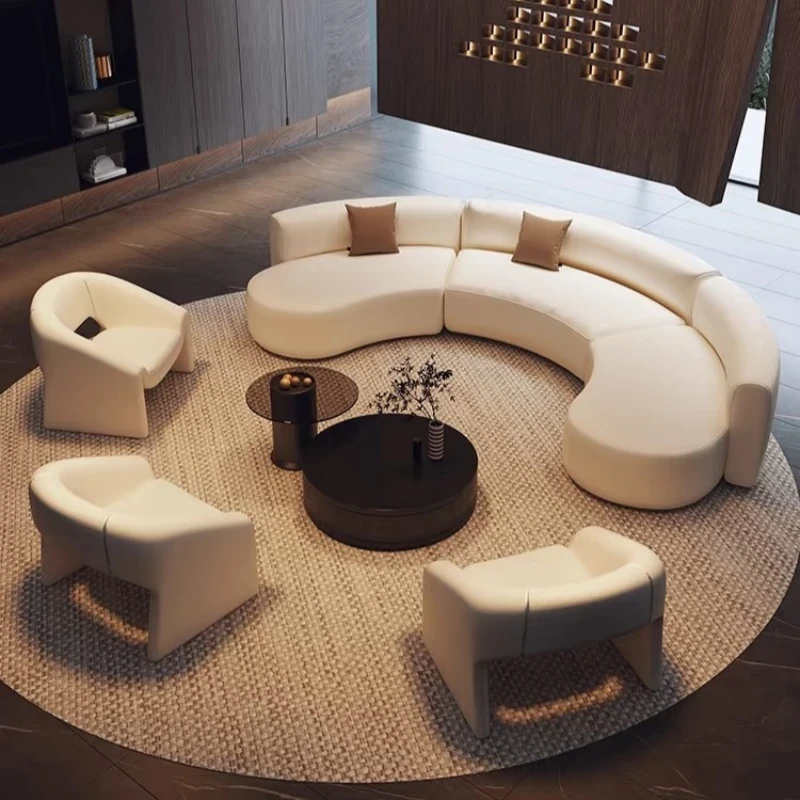
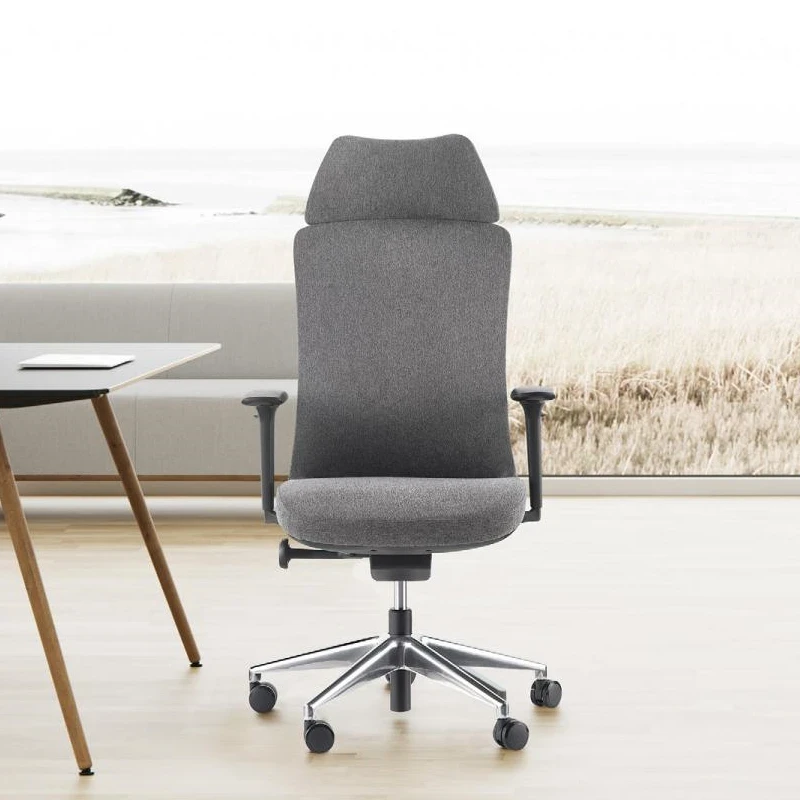


: First, schools should clarify the specific needs of different learning spaces. For example, classrooms, laboratories, libraries, and multi-purpose halls have different functions, and the required furniture configurations will also vary greatly. Classrooms typically require flexible desk and chair layouts to support diverse teaching activities; while laboratories need to consider the stability and durability of workbenches.
2. Emphasize Ergonomic Design:
Choosing ergonomic furniture can effectively improve student comfort and concentration. This means that the height, tilt, and support of desks and chairs need to be carefully designed to suit the body types and usage habits of students of different ages, thereby reducing the health risks associated with long-term use.
3. Prioritize Safety and Environmental Protection:
The materials and design of furniture are directly related to student safety and the environmental level of the campus. Schools should choose furniture made with environmentally friendly materials and non-toxic coatings to avoid contact with harmful substances at the source. In addition, the structure of the furniture should be sturdy without protruding sharp corners to prevent accidental injuries.
4. Flexibility and Adjustability:
Modern teaching emphasizes interaction and flexibility, making the adjustability of furniture an important consideration. Adjustable desks and chairs can adapt to the teaching needs of different subjects and can be easily reconfigured to adapt to changes in classroom activities.
5. Focus on Durability and Ease of Maintenance:
School furniture needs to withstand frequent use and movement; therefore, durability and ease of maintenance are essential. Schools should choose furniture that is not only easy to clean and maintain but also designed with reliability in mind for long-term use to reduce long-term operating costs.
6. Consider Cost-Effectiveness:
Finally, schools often have limited budgets, so considering cost-effectiveness is indispensable. While focusing on price, product quality and service guarantees should not be ignored; finding the best value for money is key.
In conclusion, choosing suitable school furniture configuration requires comprehensive consideration of learning needs, ergonomics, safety and environmental protection, flexibility, durability, and cost-effectiveness. Through scientific and reasonable furniture configuration, schools can provide students with a motivating and supportive learning environment, promoting their all-round development.