
 USD
USD GBP
GBP
 EUR
EUR
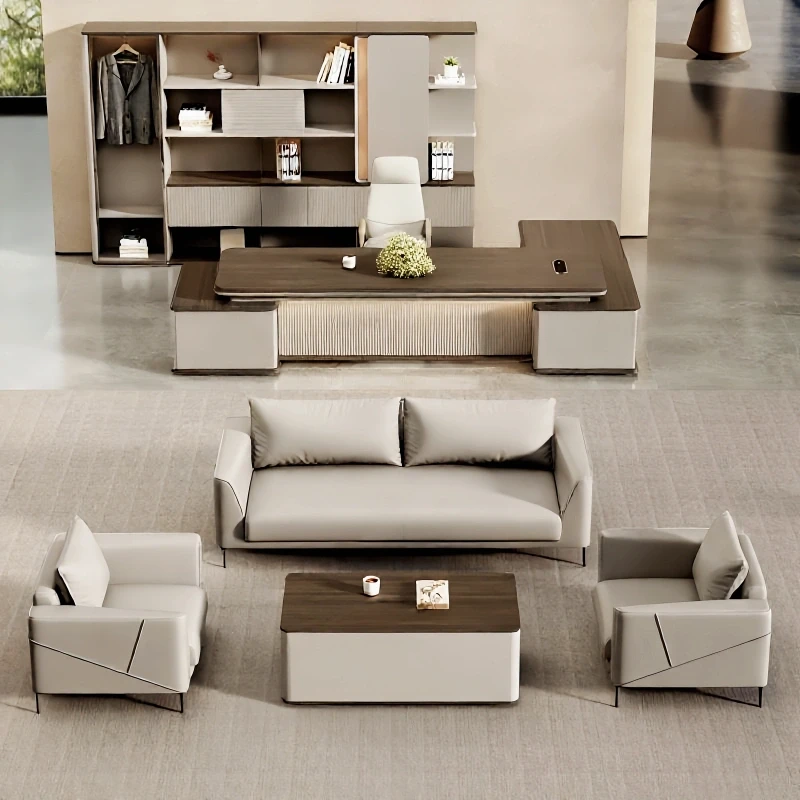
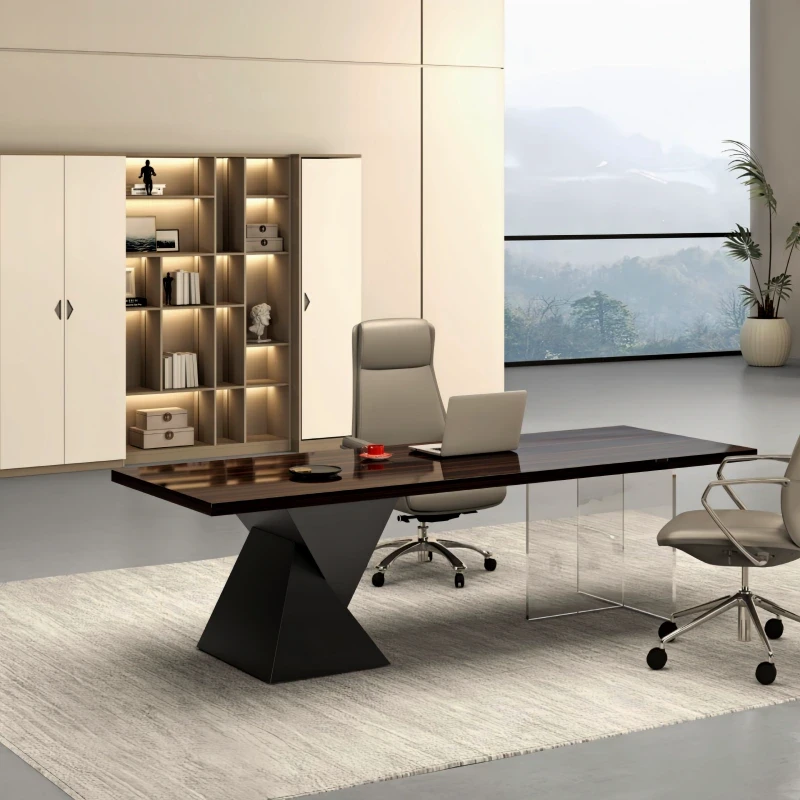


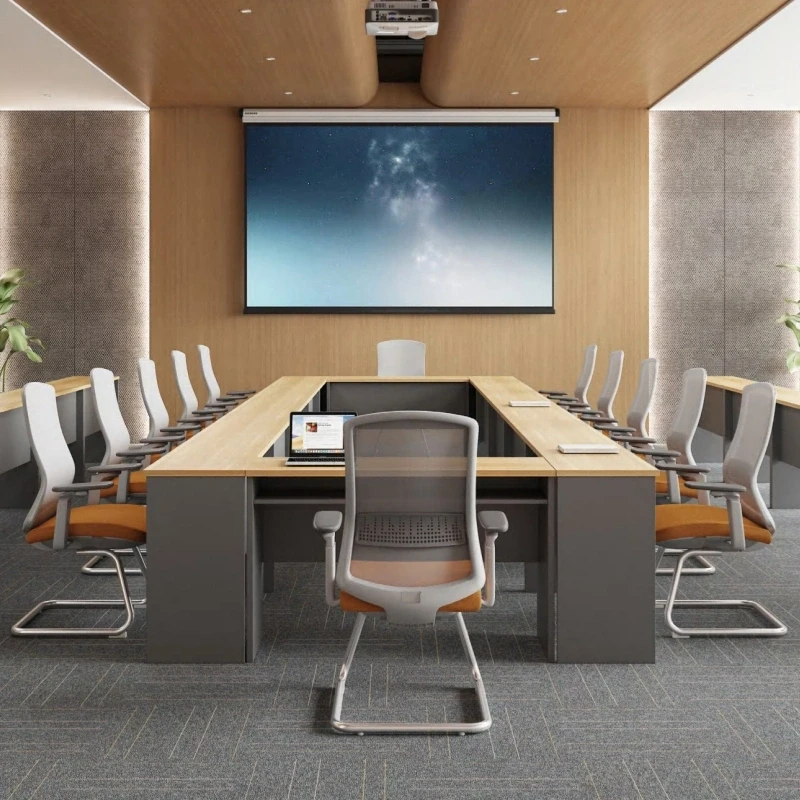
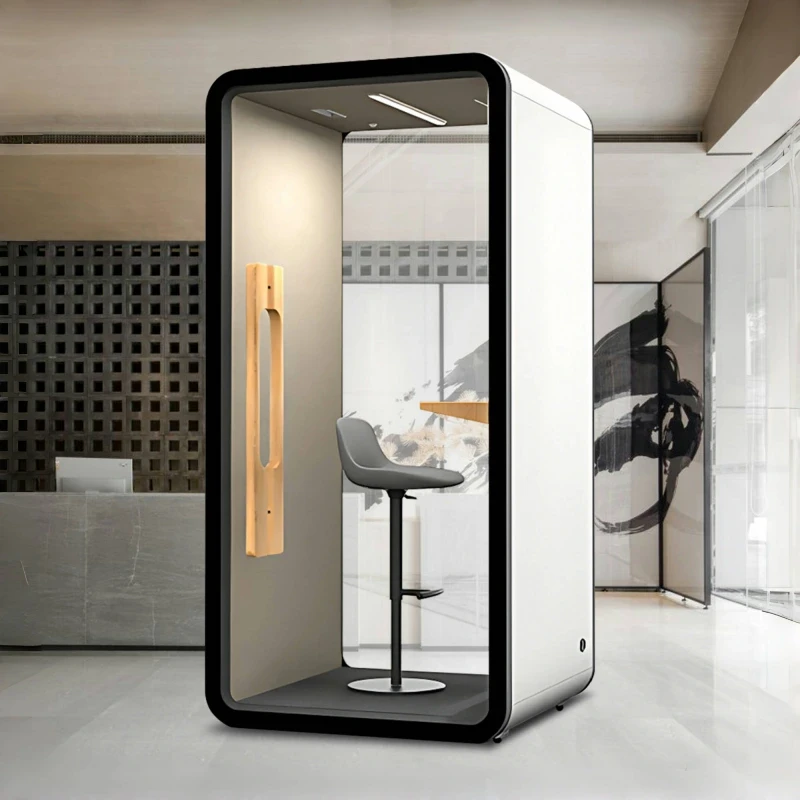










1. Material Selection and Craftsmanship
Material Testing: Understand the source of raw materials used by the manufacturer and their environmental certifications. High-quality materials are not only durable but also ensure safety during use.
Manufacturing Process: Examine the production process, including details such as furniture seams, coatings, and paint treatments. Excellent craftsmanship usually means higher durability and aesthetics.
2. Product Design and Function
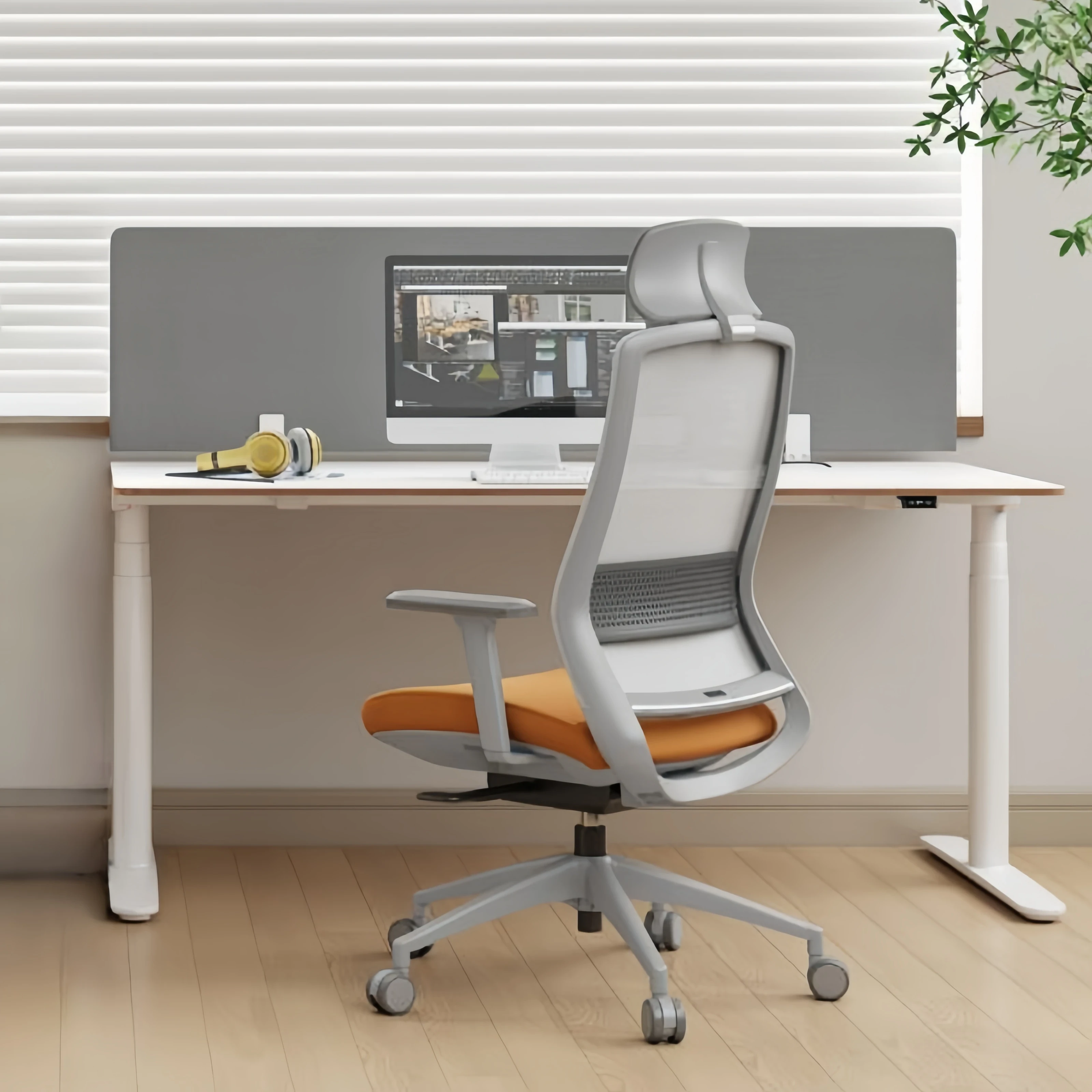
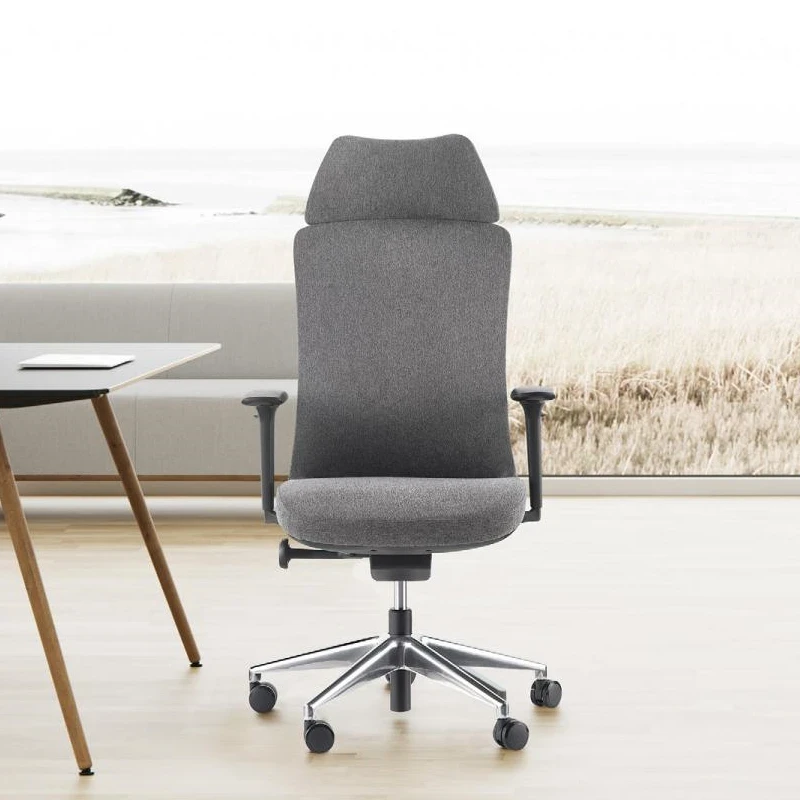
Ergonomic Design: Ensure the furniture provides good ergonomic support, such as adjustable seat height and comfortable backrests, to reduce employee fatigue during long-term use.
Innovation and Practicality: Assess the product's innovation and functionality, such as modular design or smart furniture solutions, to better adapt to modern office needs.
3. Durability and Warranty
Long-term Durability: Understand the furniture's performance after long-term use, checking for common problems such as frame deformation and material wear.
Warranty Commitment: Whether the manufacturer provides a reasonable warranty period and scope is an important standard for measuring quality assurance.
II. Assessing Service Level
1. Pre-sales Consultation and Support
Professional Consultation Services: Does the manufacturer provide professional product consultation services to help companies choose the most suitable products based on their actual needs?
Customized Solutions: Assess the manufacturer's ability to provide customized office furniture solutions to meet the individual needs of different enterprises.
2. Delivery and Installation
Delivery Time: Assess the manufacturer's ability to deliver on time and provide a guarantee of delivery period.
Professional Installation Service: Does the manufacturer provide fast and professional installation services, including attention to installation details and on-site cleanup?
3. After-Sales Service and Support
After-Sales Response Speed: Assess the manufacturer's response speed and handling capabilities when problems arise, ensuring that problems can be resolved promptly.
Maintenance and Care Support: Does the manufacturer provide regular maintenance services or solutions for common problems to extend the lifespan of the furniture?
III. Customer Feedback and Market Reputation
1. Customer Evaluation and Feedback
Customer Case Analysis: Understand other customers' real feedback on the manufacturer's furniture experience, including satisfaction and complaints.
Visit Usage Cases: If conditions permit, visit actual installation and usage cases to intuitively experience product quality and design effects.
2. Industry Reputation
Industry Evaluation: Review the furniture industry's professional evaluation and recognition of the manufacturer.
Awards and Certifications: Pay attention to whether the manufacturer has received relevant awards and certifications for product quality or design innovation to determine its position in the industry.
By using the methods described above, businesses can comprehensively understand and evaluate the product quality and service levels of office furniture manufacturers, thereby making the most suitable purchasing decisions for their own needs. Choosing a reliable furniture manufacturer not only improves employee work experience but also helps the company establish a professional brand image.