
 USD
USD GBP
GBP
 EUR
EUR
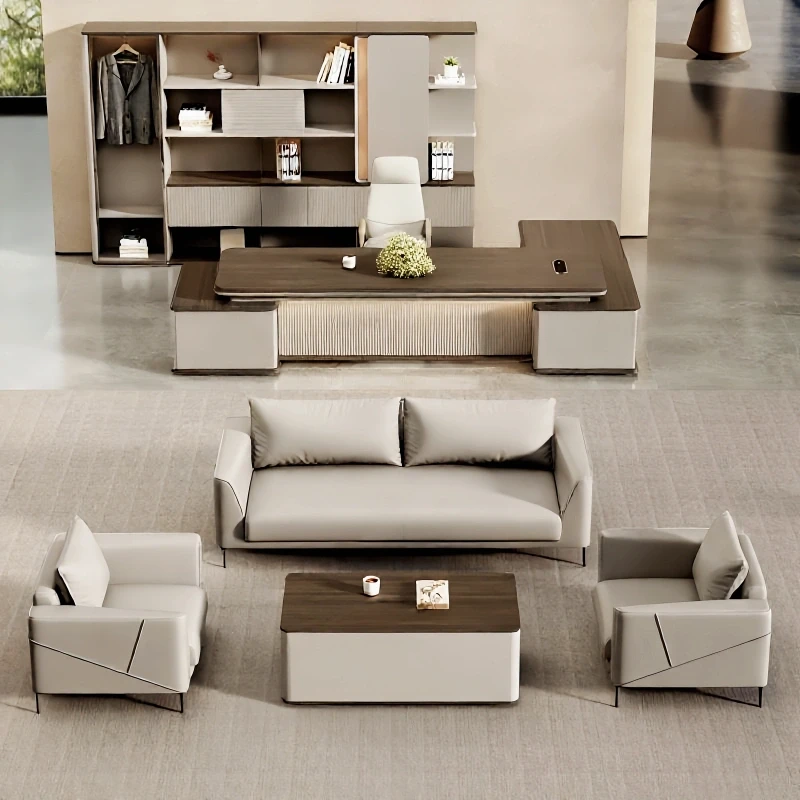
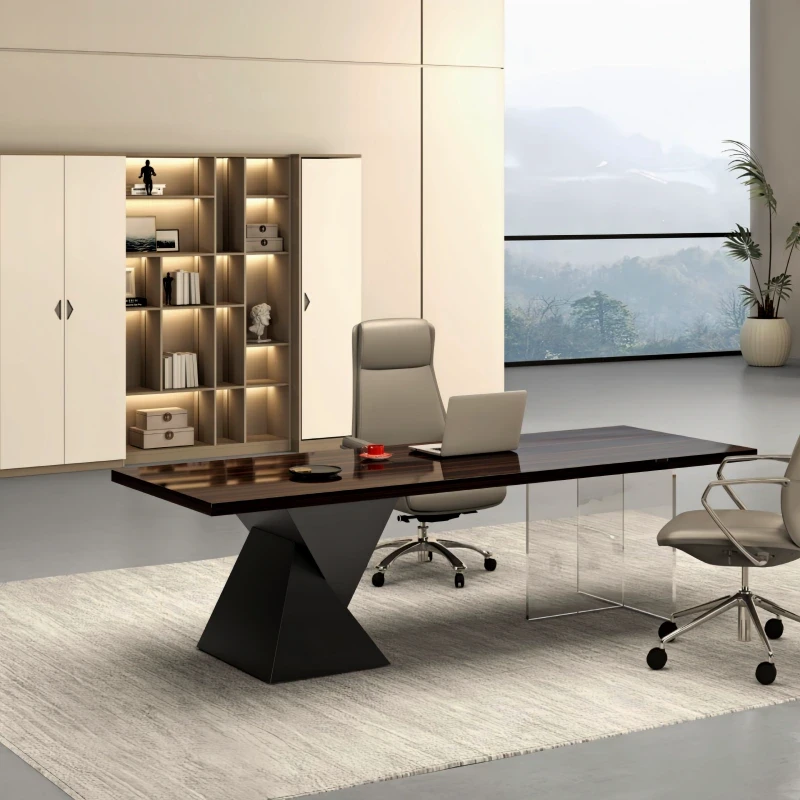


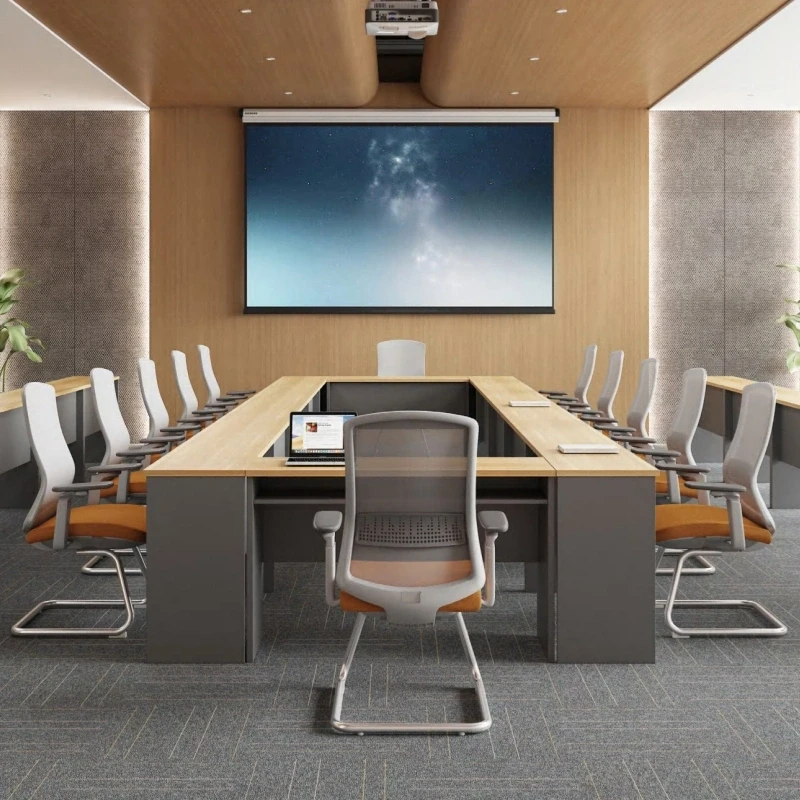
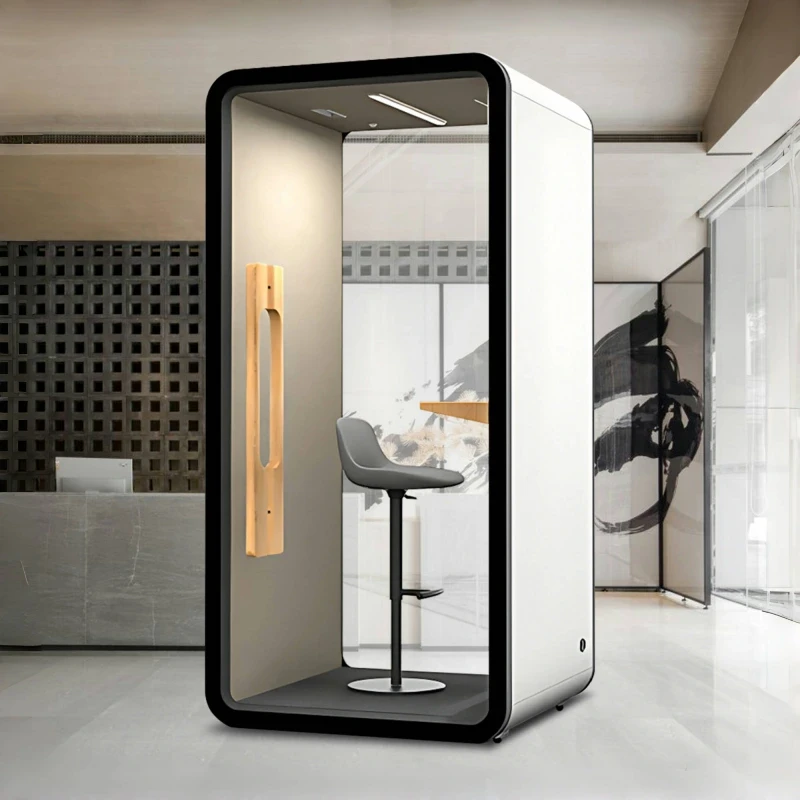
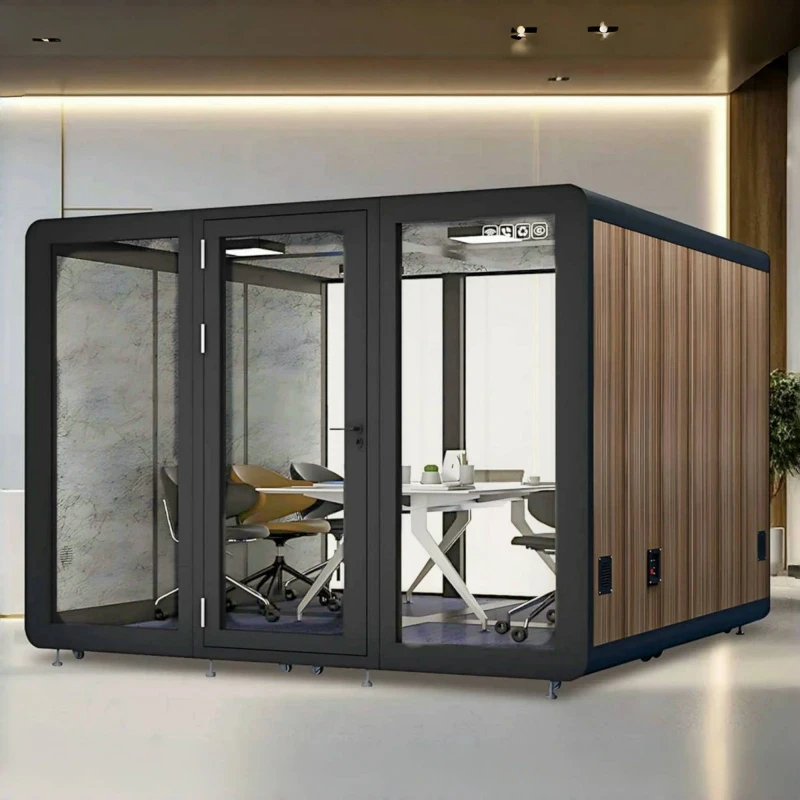
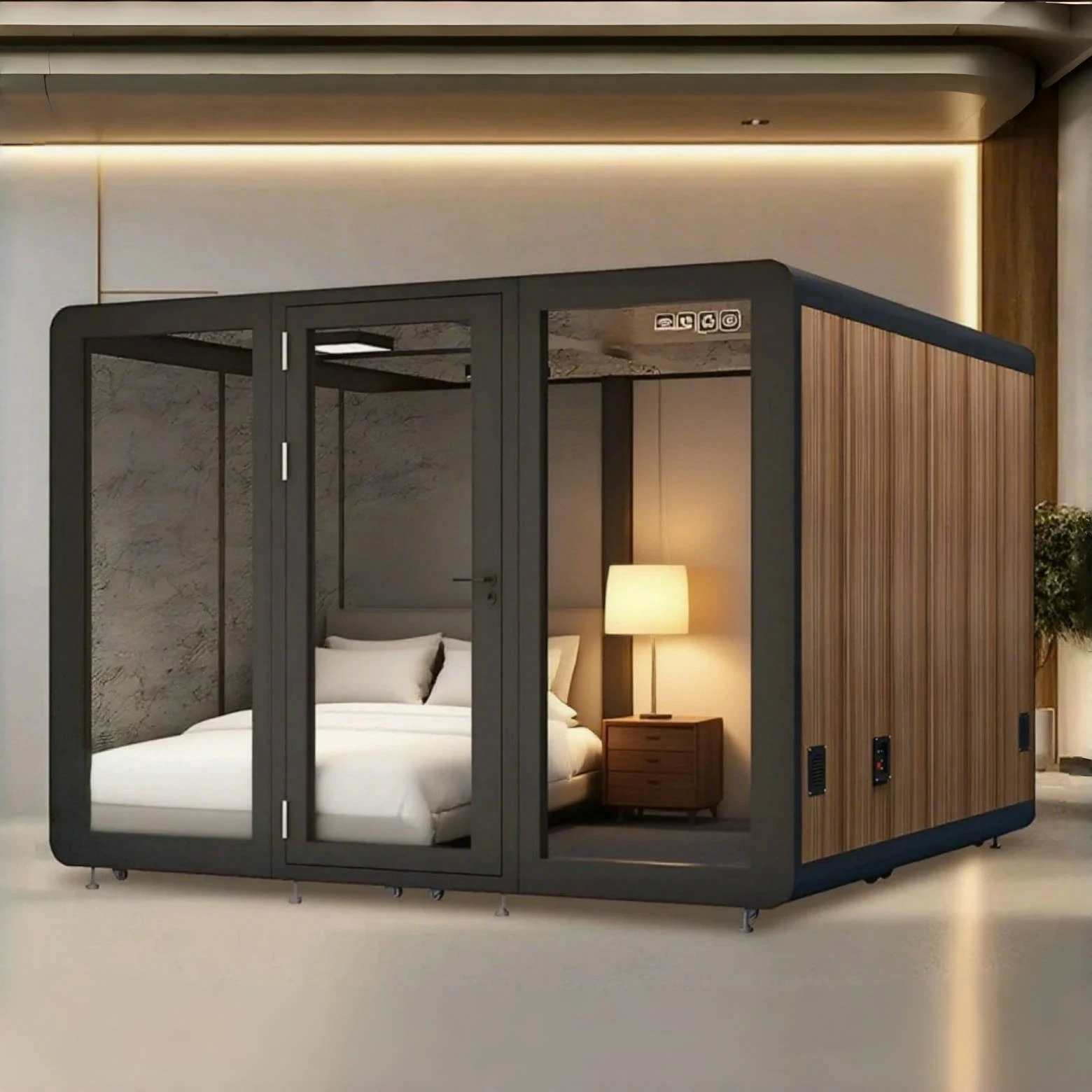


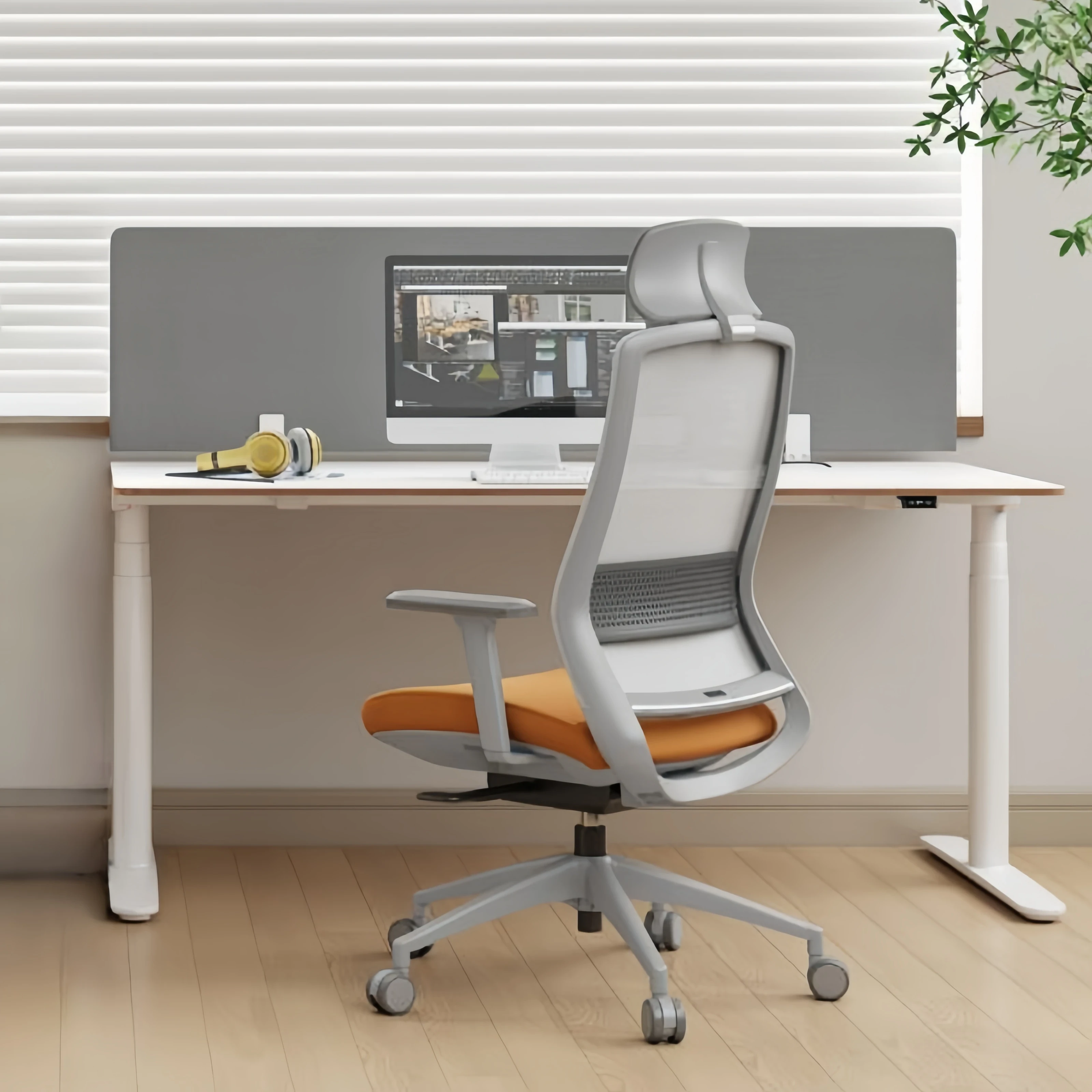


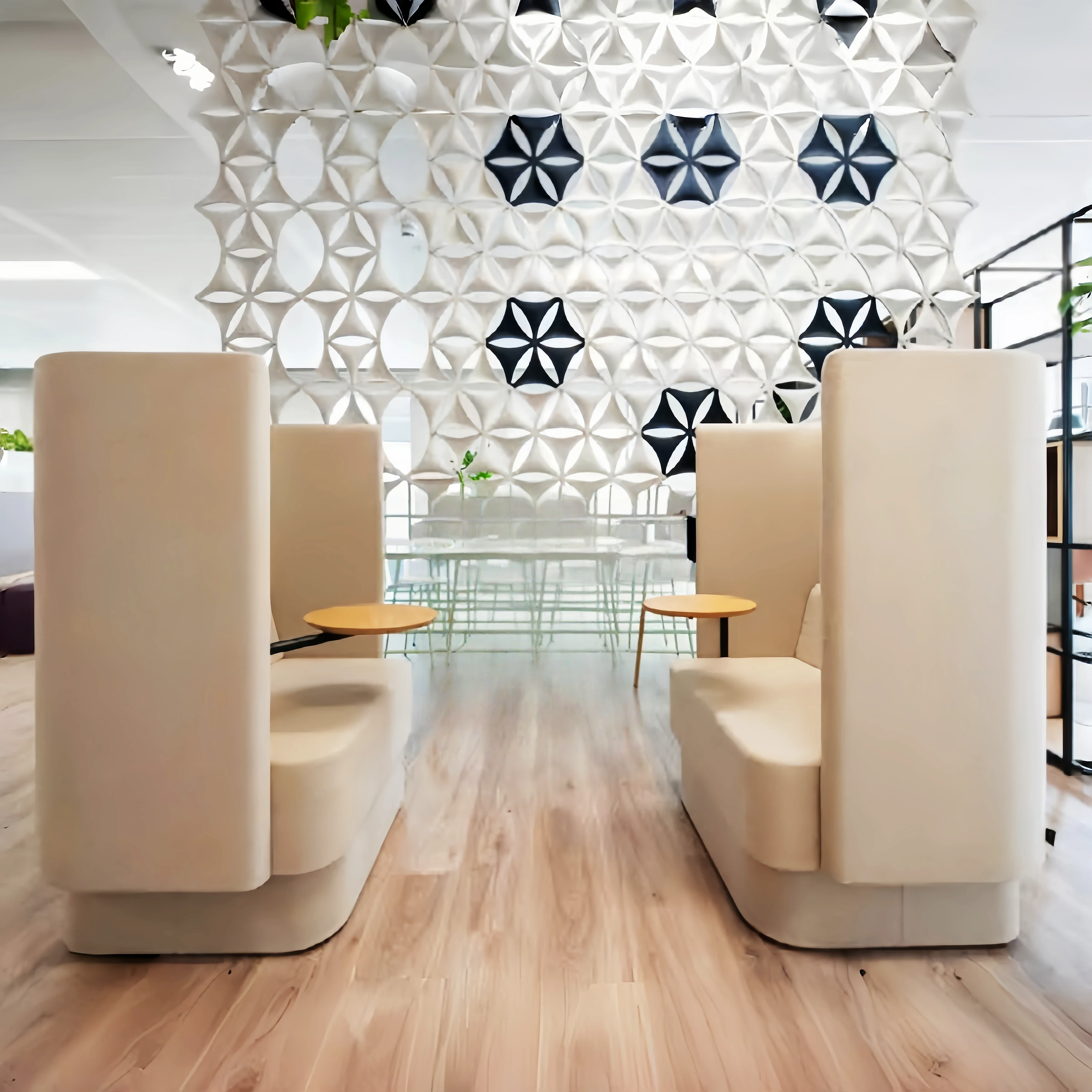



1. Defining Functional Requirements
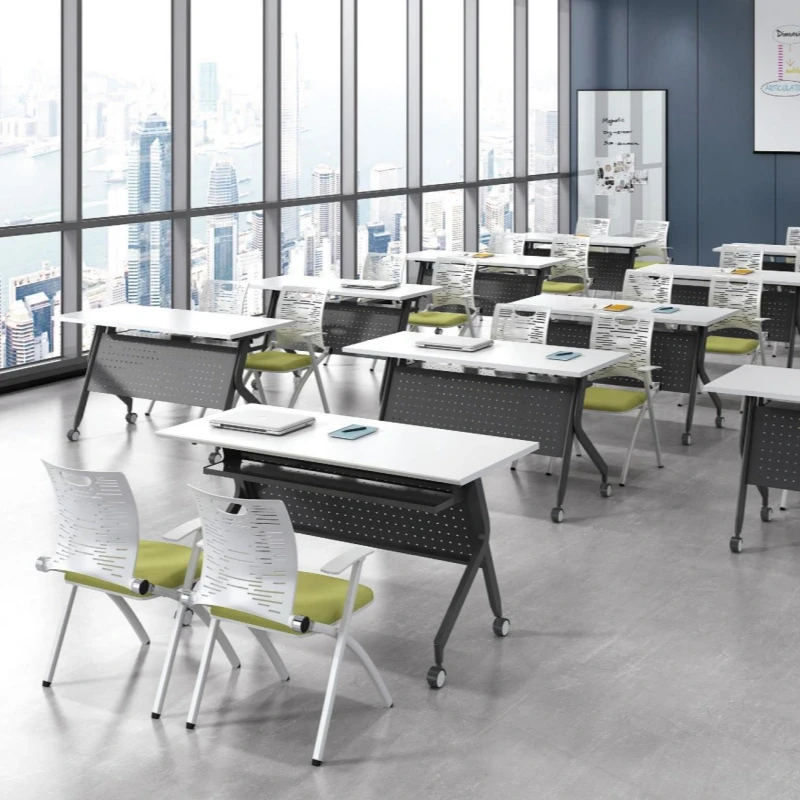
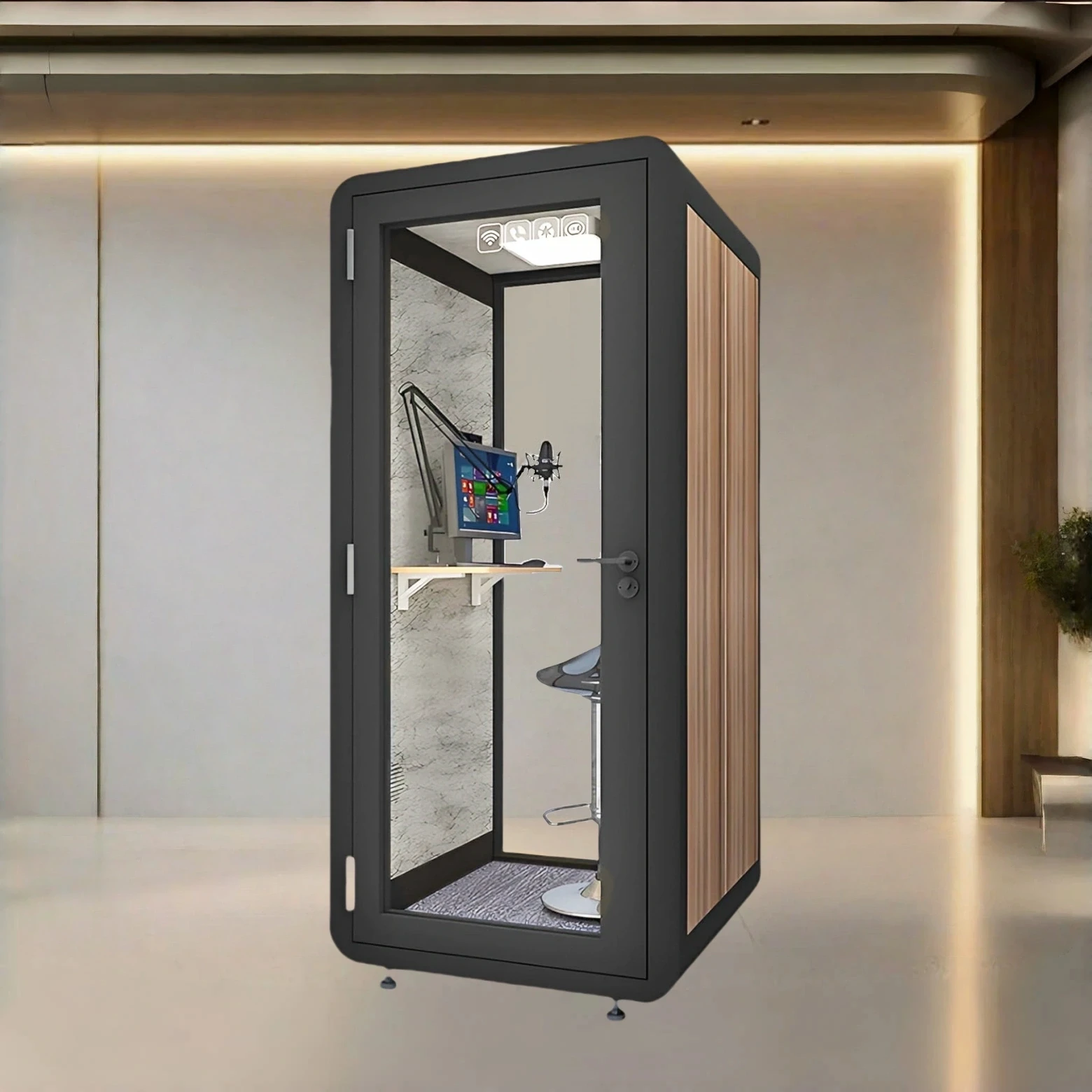
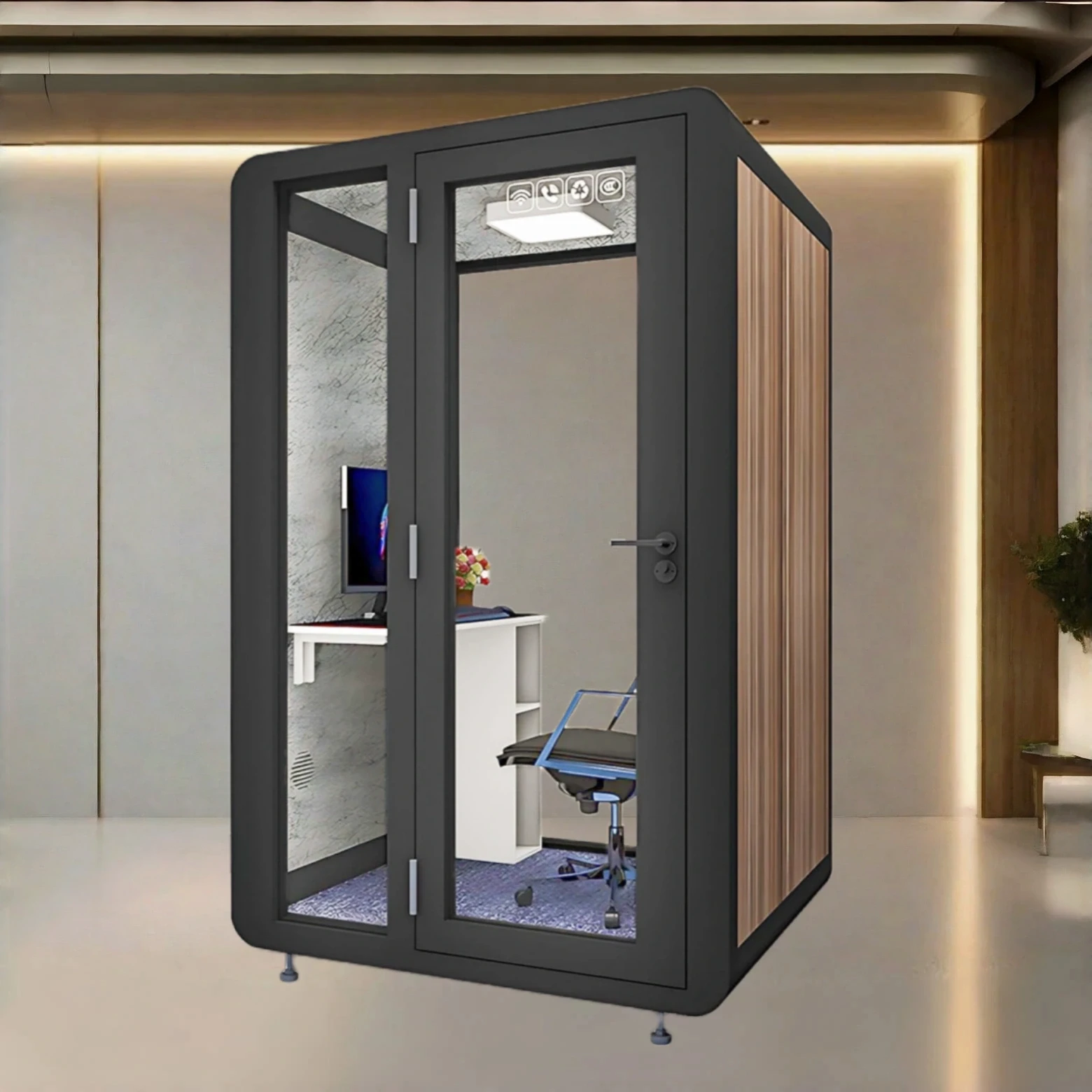
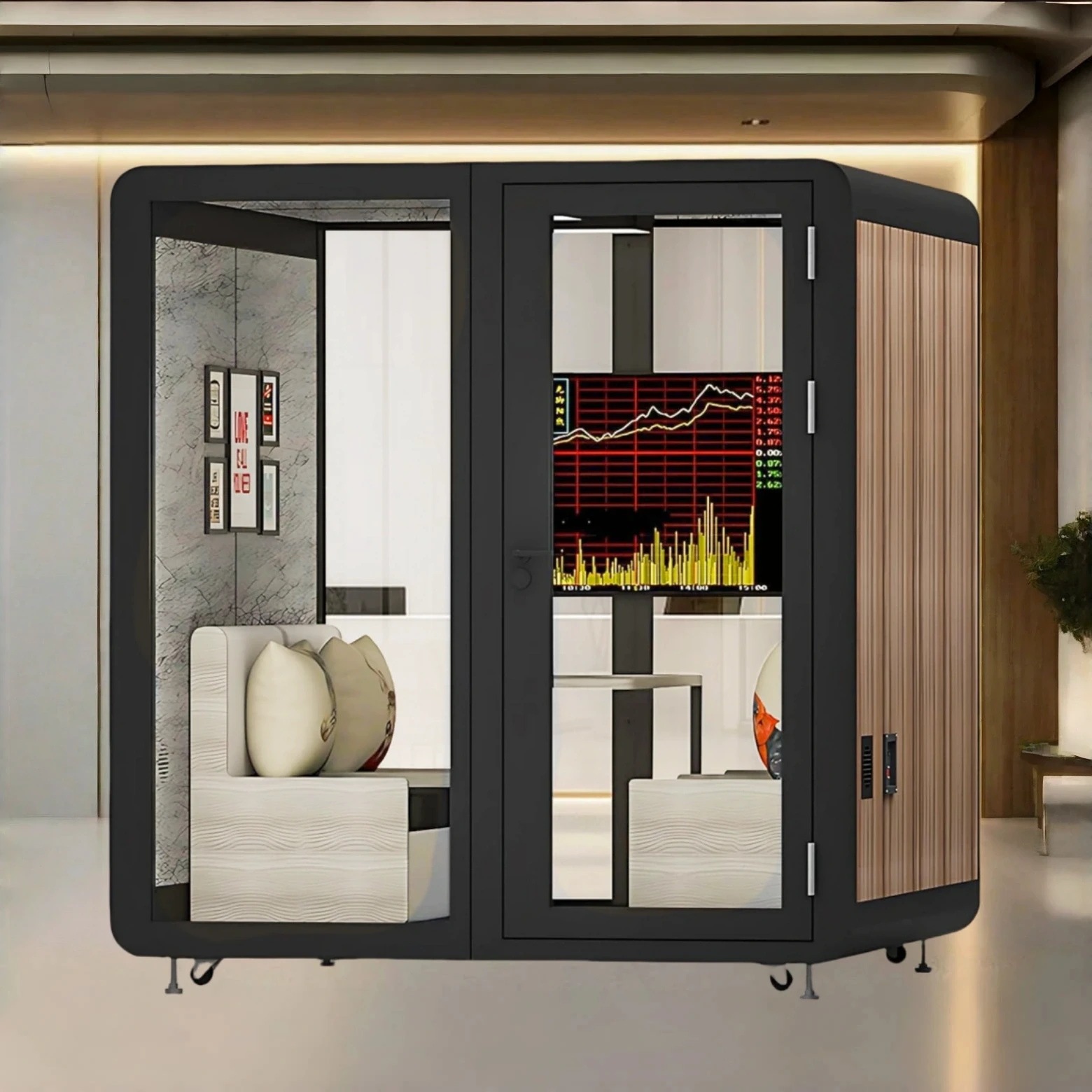
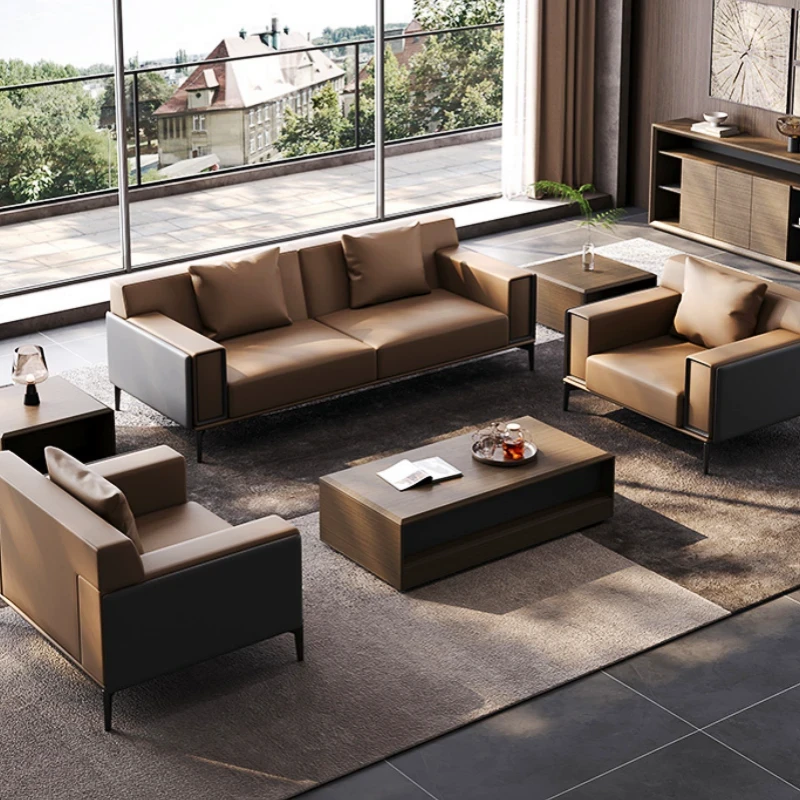
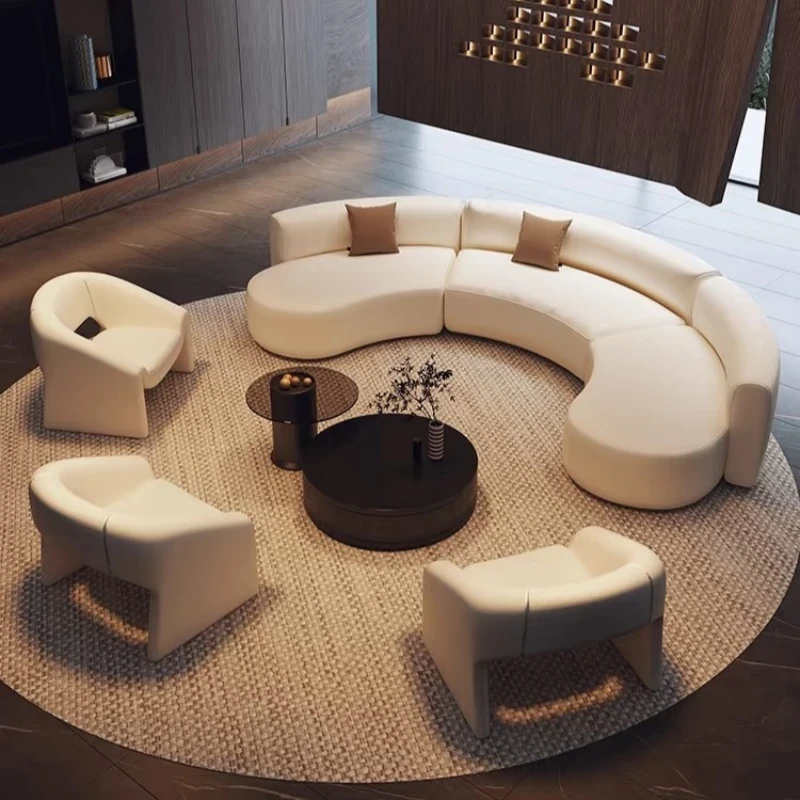
Before customizing hotel furniture, it's essential to clearly define the functional requirements of different spaces. For example, guest rooms, the hotel lobby, restaurants, conference rooms, and lounge areas each have different requirements for the functionality and design style of furniture. Clear functional requirements help avoid unnecessary adjustments and waste during the design phase, ensuring that the purchased furniture meets actual usage needs.
2. Developing a Detailed Budget Plan
Developing a detailed budget plan is the foundation for cost control. The budget should cover all aspects of furniture design, material procurement, manufacturing, transportation, installation, and after-sales maintenance. A reasonable budget plan not only helps the hotel make targeted purchases but also reserves funds for unforeseen circumstances, ensuring the project's smooth completion.
II. Selecting Cost-Effective Materials and Design
1. Balancing Material Selection
The choice of materials directly affects the cost and quality of furniture. Commonly used materials for hotel furniture include solid wood, metal, glass, composite boards, and high-density foam. Hotels should select appropriate materials based on the usage frequency and environment of different spaces. For example, furniture in the hotel lobby and restaurant needs to be wear-resistant and durable, while guest room furniture needs to balance comfort and aesthetics. By selecting cost-effective materials, costs can be controlled while ensuring the durability and appearance quality of the furniture.
2. Optimize Design to Enhance Practicality
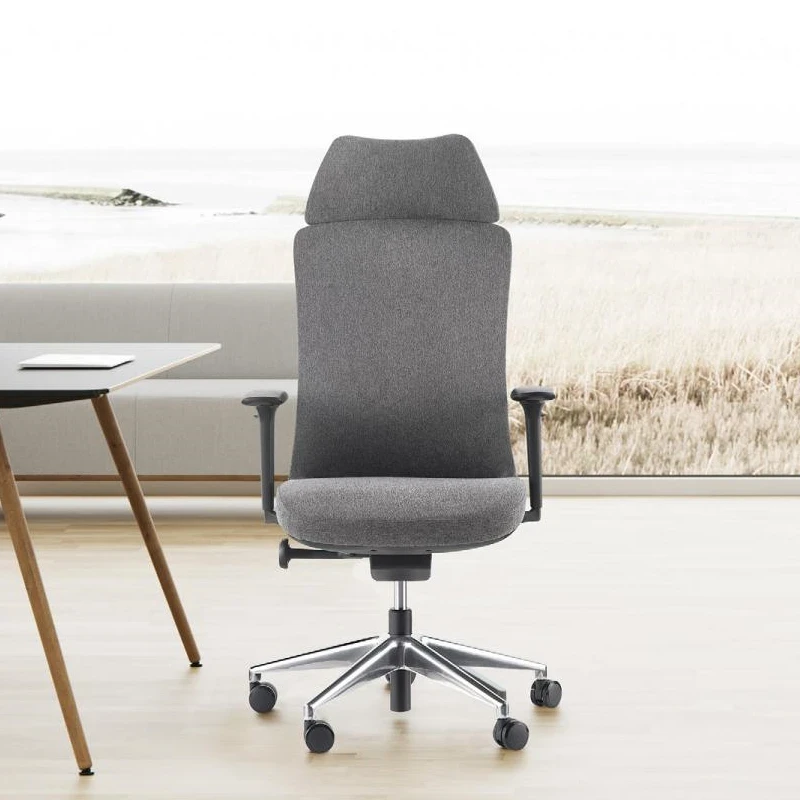
A reasonable design not only enhances the aesthetics of furniture but also improves its practicality and durability. During the design phase, the multi-functionality and modular design of the furniture should be fully considered. For example, combinable sofa modules, multi-functional storage cabinets, and adjustable tables and chairs can improve space utilization, reduce furniture types, and lower procurement costs. At the same time, a simple yet sophisticated design style also helps improve the versatility of the furniture, adapting to different styles of hotel decoration.
III. Selecting Reliable Suppliers and Partners
1. Supplier Qualifications and Reputation
Selecting qualified and reputable suppliers is an important guarantee for ensuring furniture quality. Hotels should investigate supplier certifications, customer reviews, and success stories through multiple channels to select partners with a good reputation and rich experience. Reliable suppliers not only provide high-quality products but also provide full guarantees in after-sales service and technical support, reducing later maintenance costs.
2. Comparison and Negotiation
When selecting suppliers, one should not only focus on price but also comprehensively consider the services they provide, such as customization capabilities, delivery time, installation services, and after-sales guarantees. By comparing and negotiating with multiple suppliers, selecting the partner with the best cost-performance ratio helps ensure furniture and service quality while controlling the budget.
IV. Strict Quality Control and Acceptance
1. Establishing Quality Standards and Testing Procedures
Hotels should establish detailed quality standards during the furniture customization process and communicate them clearly with suppliers. A strict testing procedure should be established, including material testing, production process monitoring, and finished product acceptance, to ensure that every piece of furniture meets design and quality requirements. Regular quality inspections should be conducted to promptly identify and resolve problems, avoiding additional costs due to quality issues.
2. A Comprehensive Acceptance and Feedback Mechanism
After furniture delivery and installation, hotels should conduct a comprehensive acceptance inspection, including appearance inspection, functional testing, and safety assessment. A comprehensive feedback mechanism should be established to promptly provide suppliers with feedback on problems encountered during use and suggestions for improvement, promoting continuous improvement in product quality and service levels.
V. Considering Long-Term Maintenance and Usage Costs
1. Easy-to-Maintain Materials and Designs
Choosing materials and designs that are easy to clean and maintain can significantly reduce long-term maintenance costs. For example, using stain-resistant and waterproof tabletop materials, or designing furniture that is easy to disassemble and replace parts, can extend the lifespan of the furniture and reduce the frequency of repairs and replacements.
2. Assessing Furniture Durability and Lifespan:
High-quality furniture typically has a longer lifespan, reducing the costs associated with frequent replacements. When planning a budget, hotels should comprehensively consider both the initial purchase cost and long-term usage cost of furniture, selecting products with a high overall cost-performance ratio to achieve optimal cost allocation.
VI. Enhancing Efficiency Through Technology and Innovation
1. Digital Procurement and Management:
Utilizing digital procurement tools and management software can improve procurement efficiency and reduce labor costs. Furthermore, these tools help hotels better track procurement progress and budget usage, allowing for timely adjustments to procurement strategies and preventing overspending.
2. Innovative Design and New Material Applications:
Focusing on innovation in furniture design and materials can lead to more cost-effective and high-quality solutions. The application of new materials and technologies can often reduce production costs while maintaining quality. For example, using environmentally friendly materials not only aligns with a hotel's social responsibility but also enhances its overall image, bringing more benefits for long-term development. VII
. Establishing Long-Term Partnerships
1. Obtaining Preferential Treatment Through Long-Term Cooperation:
Establishing long-term partnerships with high-quality suppliers can secure more price advantages and priority services in future procurement. Simultaneously, long-term cooperation helps suppliers better understand the hotel's needs, providing more precise and efficient customized services.
2. Collaborative Development and Innovation
: Close collaboration with suppliers to jointly develop new products and solutions can achieve a win-win situation. Combining supplier expertise with the hotel's actual needs enables the development of high-quality products that better meet market demands, while optimizing cost structure and enhancing overall competitiveness.
VIII. Comprehensive Cost-Effectiveness and Return on Investment Assessment
1. Comprehensive Cost-Effectiveness Assessment:
When assessing the cost-effectiveness of hotel furniture, it is necessary to consider not only the initial purchase cost but also the furniture's lifespan, maintenance costs, design aesthetics, and its impact on the hotel's overall image. A comprehensive cost-effectiveness assessment helps hotels make more informed purchasing decisions.
2. Return on Investment Analysis:
Through return on investment analysis, the actual contribution of office furniture to hotel operations is assessed. High-quality hotel furniture can enhance guest experience and satisfaction, reduce inconvenience and expenses caused by furniture issues, and enhance the hotel's professional image, thereby achieving higher long-term benefits.
Conclusion:
In the process of customizing hotel commercial furniture, managers need to comprehensively consider multiple aspects such as demand planning, material selection, supplier screening, quality control, maintenance costs, technology application, and long-term cooperation to ensure high-quality furniture while optimizing the budget. Through scientific planning and management, hotels can not only create a comfortable and efficient operating environment, but also enhance their overall brand image and market competitiveness. Ultimately, reasonable budget control and investment in high-quality furniture will provide solid support for the hotel's long-term development.