
 USD
USD GBP
GBP
 EUR
EUR
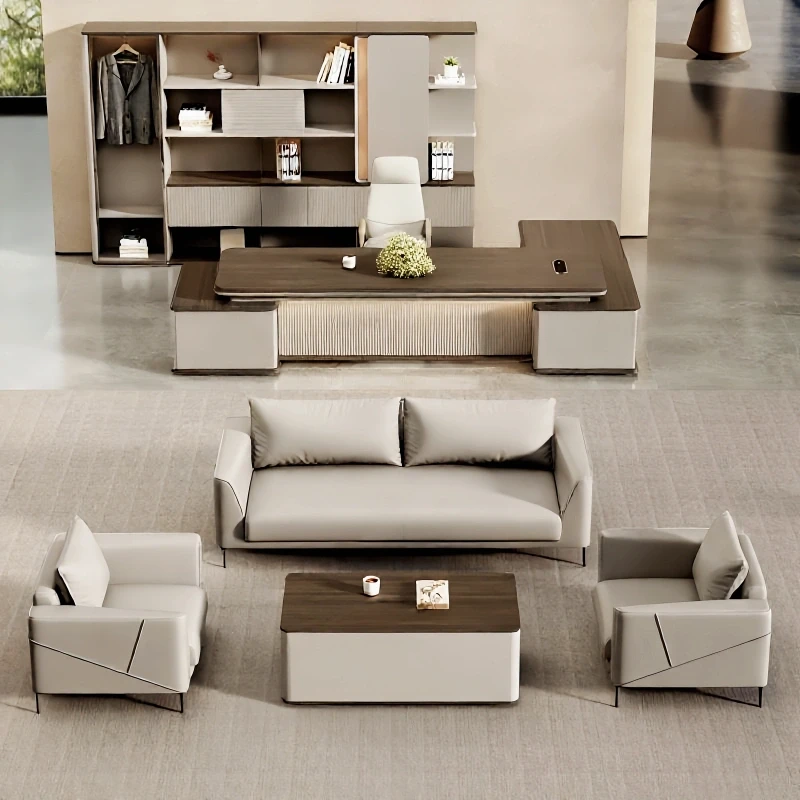
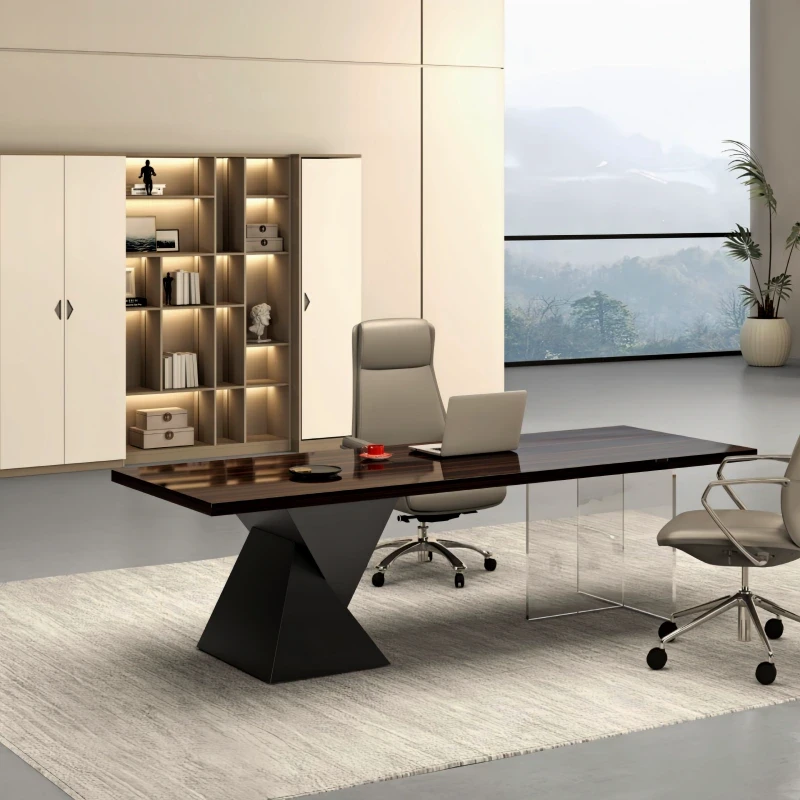


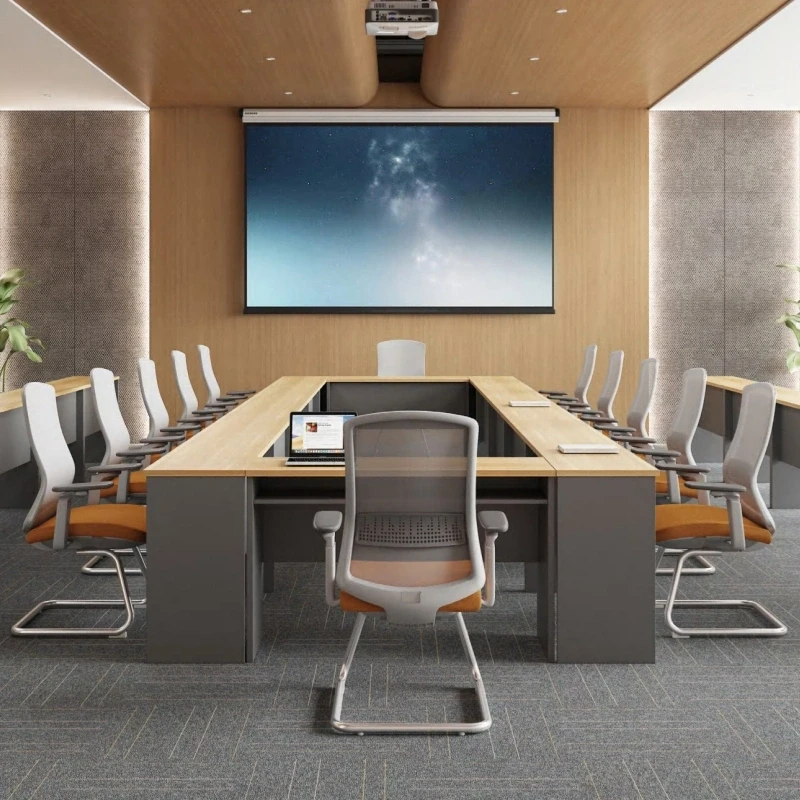
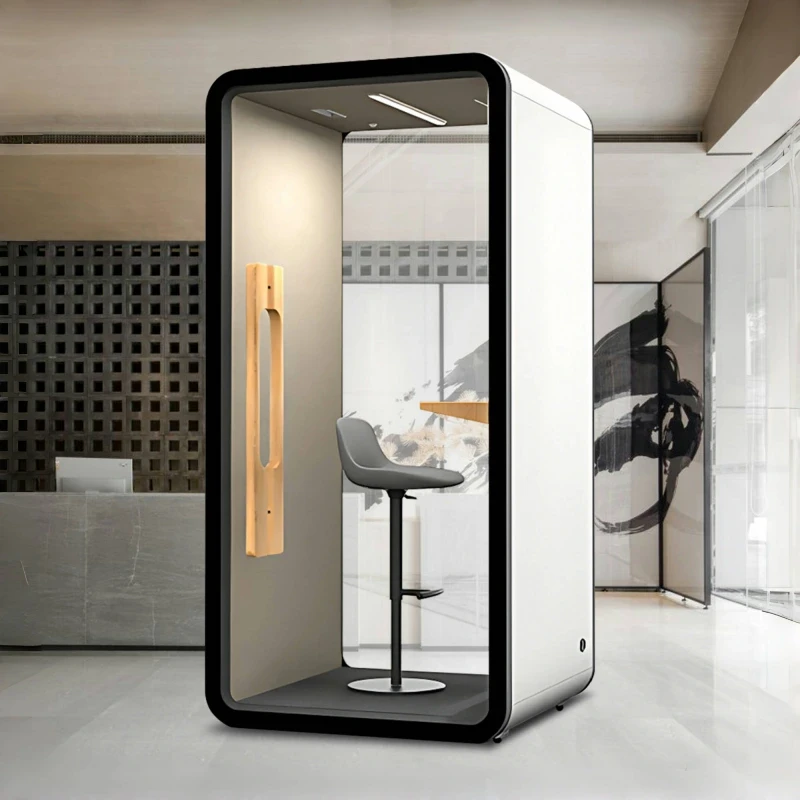
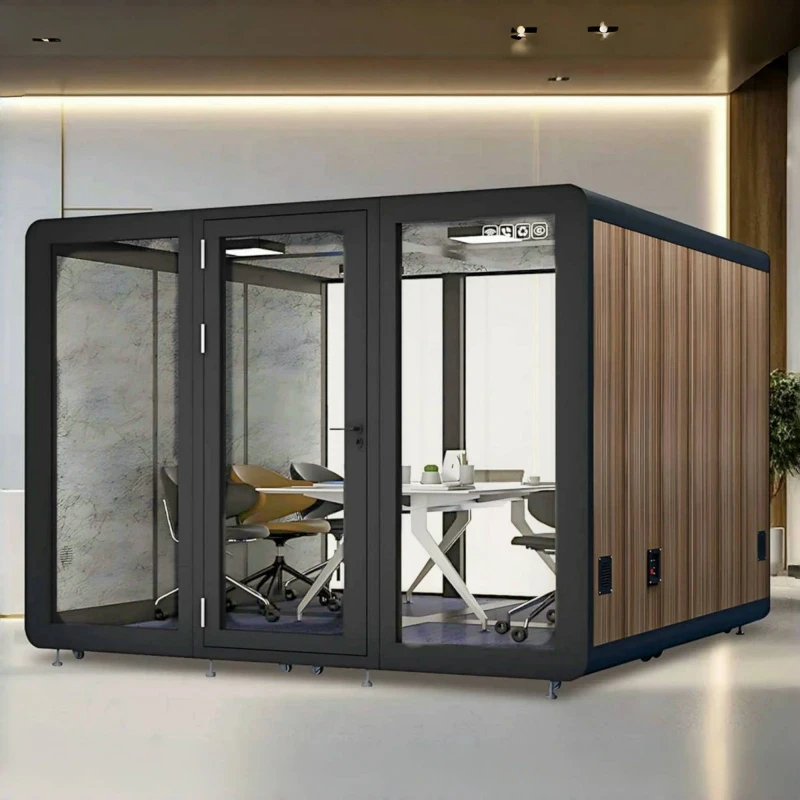
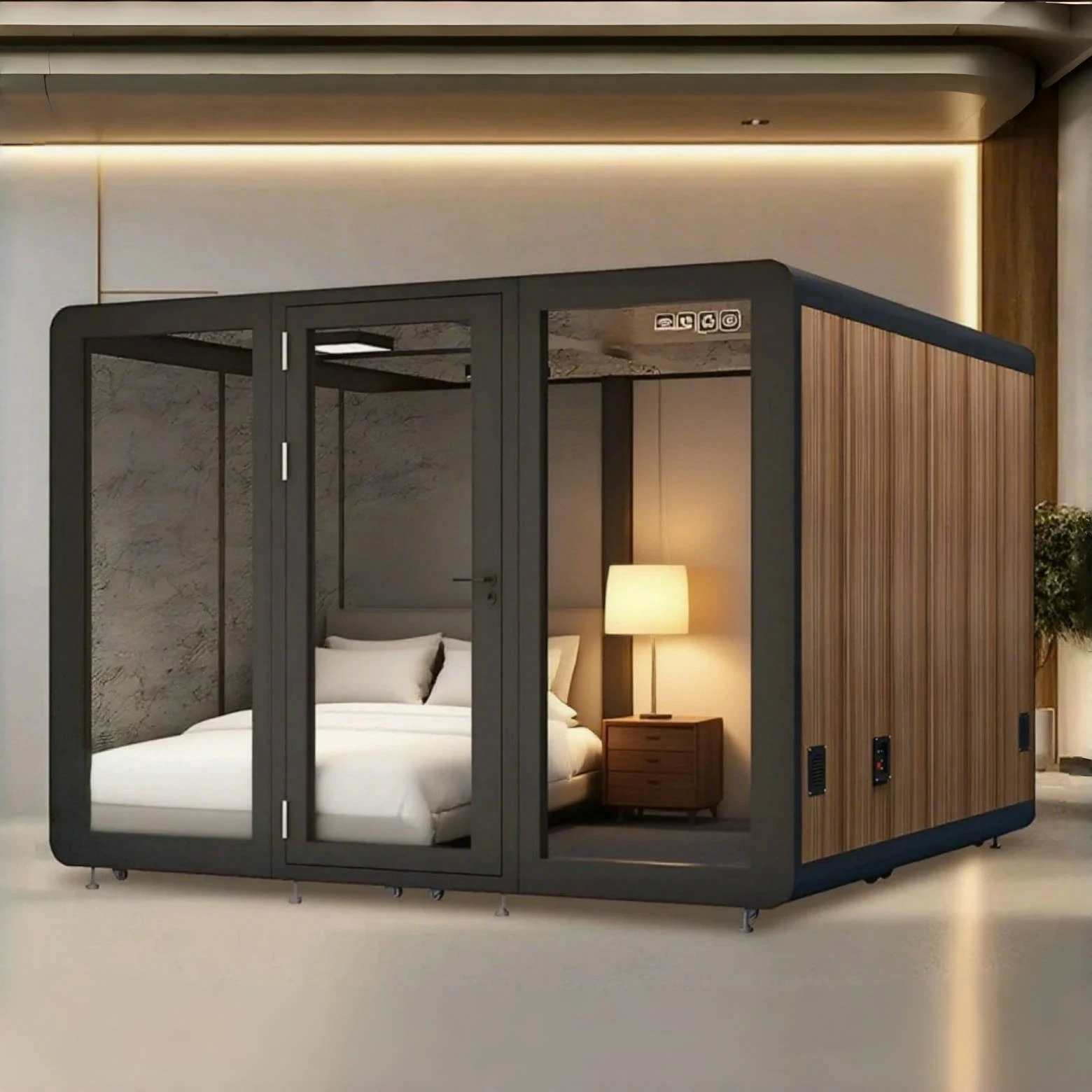


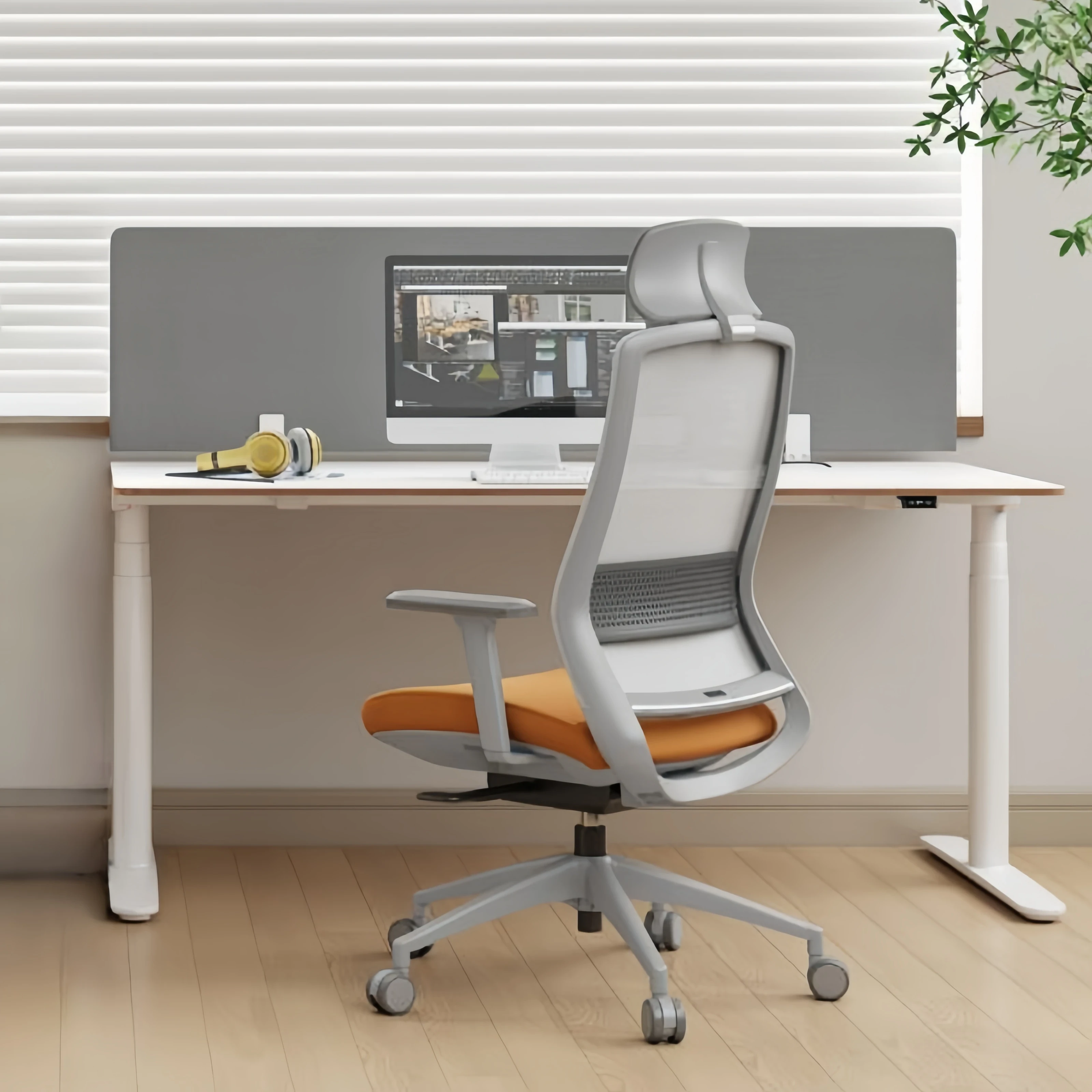


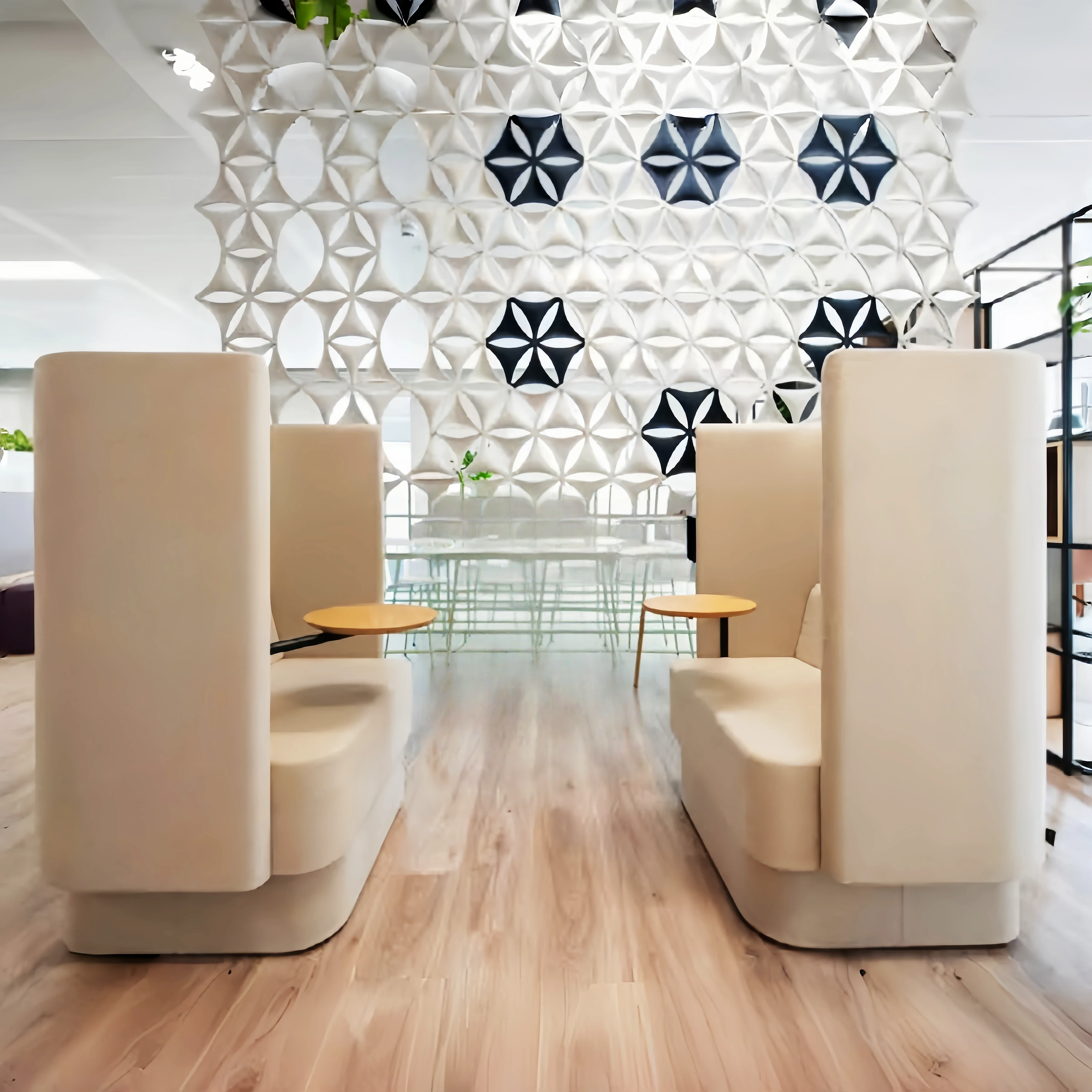

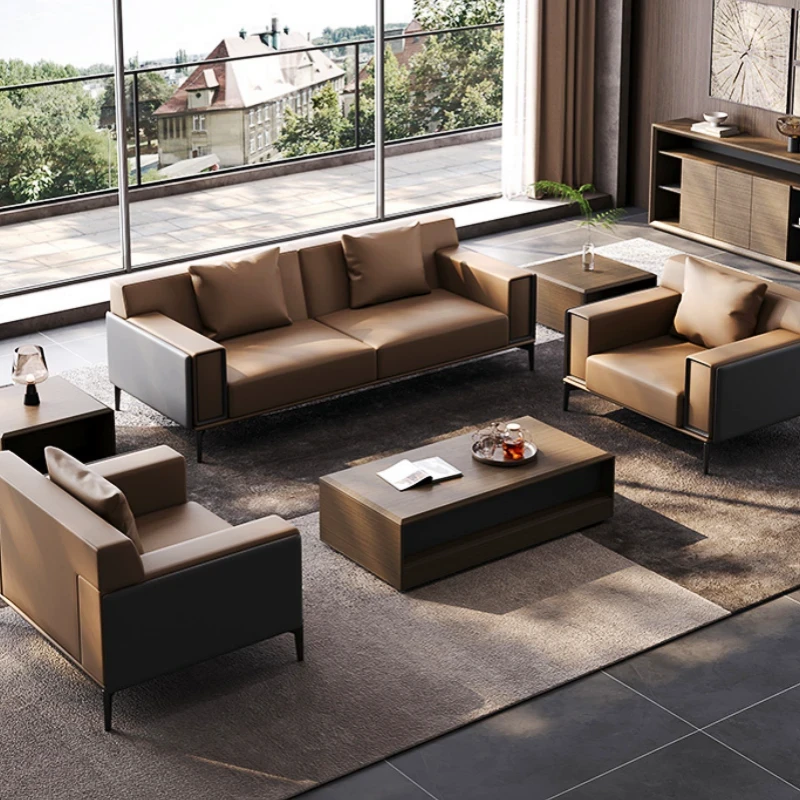
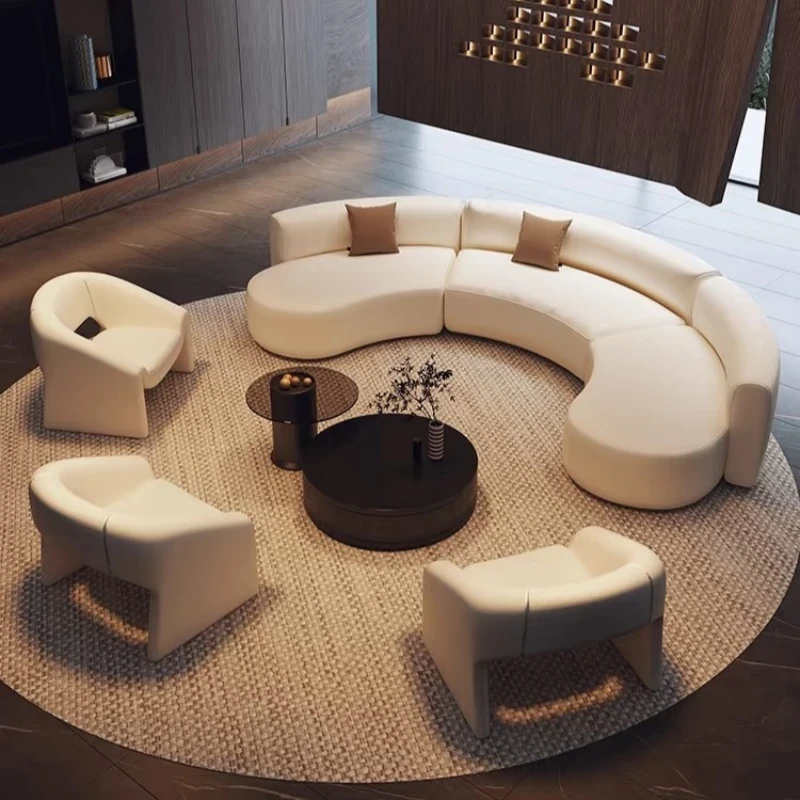
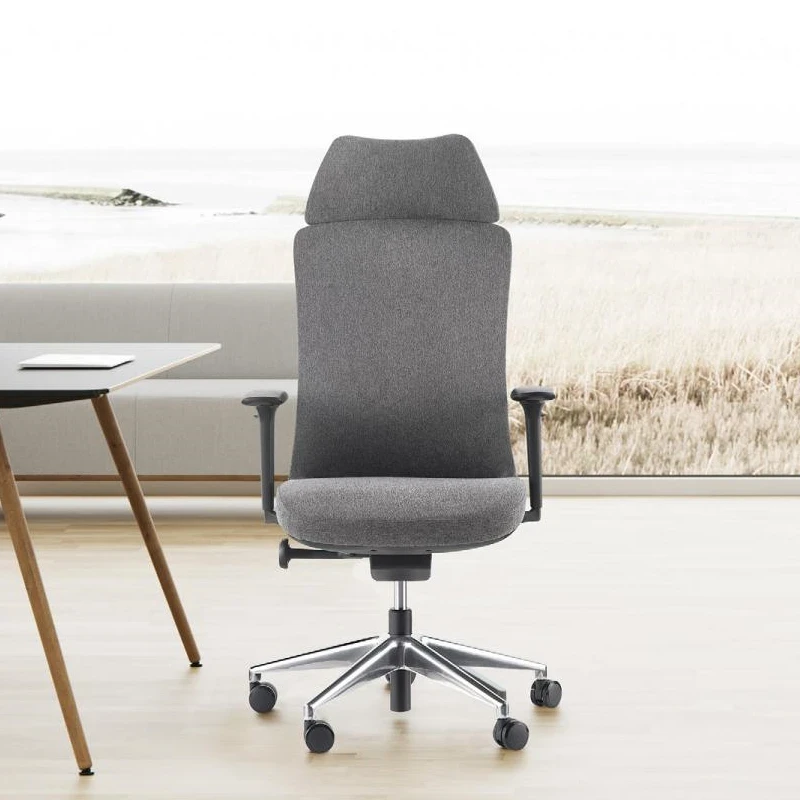


1. Industry Standing:
When choosing an office furniture brand, its industry standing is a crucial factor. Brands with high brand awareness and a good reputation within the industry often offer more reliable quality assurance and a more comprehensive after-sales service system. Companies can understand a brand's industry standing through industry reports, market rankings, and professional evaluations.
2. Customer Reviews and Feedback:
Genuine customer reviews are an important indicator of brand reputation. By reviewing customer feedback, evaluations, and recommendations, companies can understand the brand's performance in actual use. Companies can refer to user comments on third-party evaluation platforms, social media, and industry forums to comprehensively understand the brand's strengths and weaknesses.
II. Product Quality and Durability
1. Material Selection:
High-quality office furniture should use premium materials such as solid wood, metal, and environmentally friendly boards. Different materials not only affect the furniture's appearance and feel but also its durability and lifespan. Companies should pay attention to whether the brand uses materials that meet national environmental standards to ensure the health and safety of the furniture.
2. Manufacturing Process:
Excellent manufacturing processes are key to ensuring furniture quality. Understanding a brand's production processes, manufacturing equipment, and technology allows companies to assess the stability and consistency of its products. High-quality brands typically possess advanced production equipment and a rigorous quality control system, enabling them to provide high-quality products.
III. Design and Functionality
1. Aesthetics and Compatibility with the Office Environment:
Office furniture design should match the company's overall office environment and brand image. Different styles of furniture, such as modern minimalist, classic and sophisticated, and technologically advanced, can create different office atmospheres. Whether a brand can offer diverse design options to meet the personalized needs of different companies is an important evaluation point.
2. Functionality and Human-Centered Design:
Besides aesthetics, the functionality and human-centered design of office furniture are equally important. For example, height-adjustable desks, ergonomic chairs, and multifunctional storage cabinets can improve employee comfort and efficiency. Whether a brand focuses on the practicality and detailed design of its products is an aspect of measuring its professionalism.
IV. Price and Cost-Effectiveness
1. Price Transparency:
Price is a crucial factor when choosing an office furniture brand. Companies should pay attention to whether the brand's prices are reasonable and transparent, and whether there are any hidden fees. A transparent pricing strategy can help companies better control their budgets and avoid disputes arising from cost issues later.
2. Cost-Effectiveness Assessment:
High cost-effectiveness not only means reasonable prices but also includes the comprehensive performance of product quality, design, functionality, and after-sales service. Enterprises should comprehensively evaluate the overall value offered by a brand and choose the brand with the most competitive price while ensuring quality and service.
V. After-Sales Service and Guarantee
1. After-Sales Service System
A comprehensive after-sales service system is crucial for ensuring the long-term use of office furniture. Brands should provide timely installation, repair, and replacement services to ensure the furniture remains in good condition during use. Understanding the brand's after-sales service commitments and actual performance is an important consideration when making a selection.
2. Warranty Period and Policy
Different brands may have different warranty periods and policies. Enterprises should understand the warranty scope, period, and specific terms offered by the brand to ensure effective protection and support in case of furniture problems.
VI. Environmental Protection and Sustainable Development
1. Environmental Certification
With increasing environmental awareness, the environmental friendliness of office furniture has become a focus for enterprises. Choosing a brand with environmental certifications (such as FSC, E1 formaldehyde emission standards, etc.) ensures that the furniture meets environmental requirements during production and is harmless to employee health.
2. Sustainable Development Commitment
Whether a brand has a clear sustainable development strategy and practices is also an important basis for enterprise selection. Brands that prioritize sustainable development typically focus on resource conservation, pollution reduction, and promoting a circular economy during the production process, demonstrating their corporate social responsibility.
VII. Customization Capabilities and Flexibility
1. Customized Services:
Different companies have varying office space layouts and needs. A brand's ability to provide customized services, tailoring furniture to specific company requirements, is a crucial evaluation point. Flexible customization ensures furniture perfectly fits the office environment, improving space utilization and work comfort.
2. Response Speed and Flexible Adjustment:
Company needs may change over time. A brand's ability to respond quickly and flexibly adjust production and delivery plans is key to ensuring timely fulfillment of company needs. Efficient response improves operational efficiency and prevents work progress from being affected by furniture supply issues.
VIII. Supply Chain and Delivery Capabilities
1. Supply Chain Management:
Stable and efficient supply chain management ensures timely furniture delivery and quality control. Understanding a brand's supply chain structure, partners, and inventory management level helps assess its stability and reliability during large-scale procurement.
2. Delivery and Installation Capabilities:
Furniture delivery and installation are crucial aspects of the procurement process. Whether a brand has a professional logistics and installation team to ensure timely, safe, and correct furniture delivery and installation is a key consideration when making a selection.
IX. Innovation and Technology Application
1. Innovative Design
In the highly competitive office furniture market, a brand's innovation capabilities determine its product differentiation and market competitiveness. Companies should choose brands that emphasize design innovation and continuously launch new products and concepts to meet ever-changing office needs and trends.
2. Intelligent and Technological Application
With the intelligent development of office environments, smart furniture is gradually becoming a trend. Whether a brand applies advanced technologies such as intelligent adjustment, wireless charging, and LED lighting to its products, enhancing the functionality and user experience of office furniture, is a factor worth considering.
X. Customer Support and Education
1. Professional Consultation and Support
Excellent office furniture brands typically offer professional consulting services to help companies with space planning, furniture selection, and layout design. Whether a brand can provide comprehensive support to assist companies in optimizing their office environment is an important consideration when making a selection.
2. Usage and Maintenance Education
To ensure the long-term effectiveness of the furniture, whether the brand provides detailed usage and maintenance guidelines is also an aspect that companies need to pay attention to. Through training and guidance, employees are helped to use and maintain furniture correctly, extending its lifespan and improving return on investment.
Conclusion
Choosing the right office furniture brand is a crucial step for businesses to improve their work environment, enhance employee satisfaction, and increase work efficiency. In the selection process, companies should comprehensively consider multiple aspects, including brand reputation and word-of-mouth, product quality and durability, design and functionality, price and cost-effectiveness, after-sales service, environmental protection and sustainability, customization capabilities and flexibility, supply chain and delivery capabilities, innovation and technology application, and customer support and education. Through comprehensive evaluation and comparison, companies can find the office furniture brand best suited to their needs, creating an efficient, comfortable, and vibrant workspace.