
 USD
USD GBP
GBP
 EUR
EUR


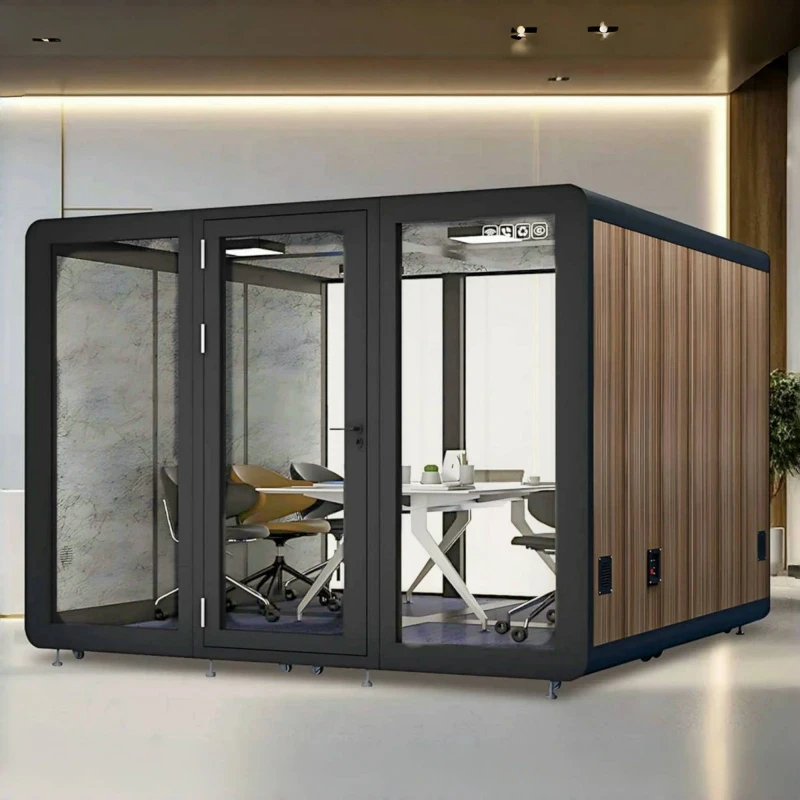
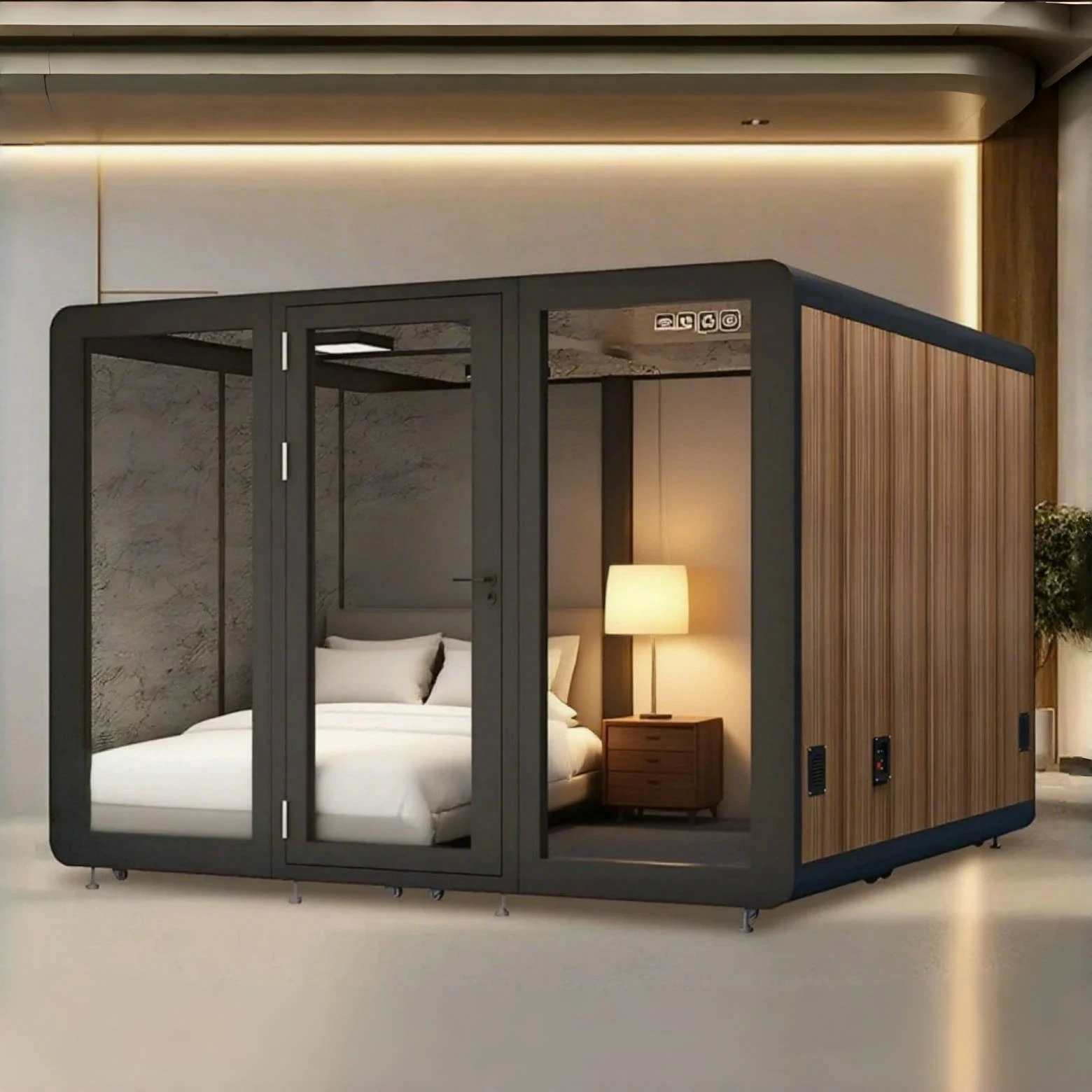


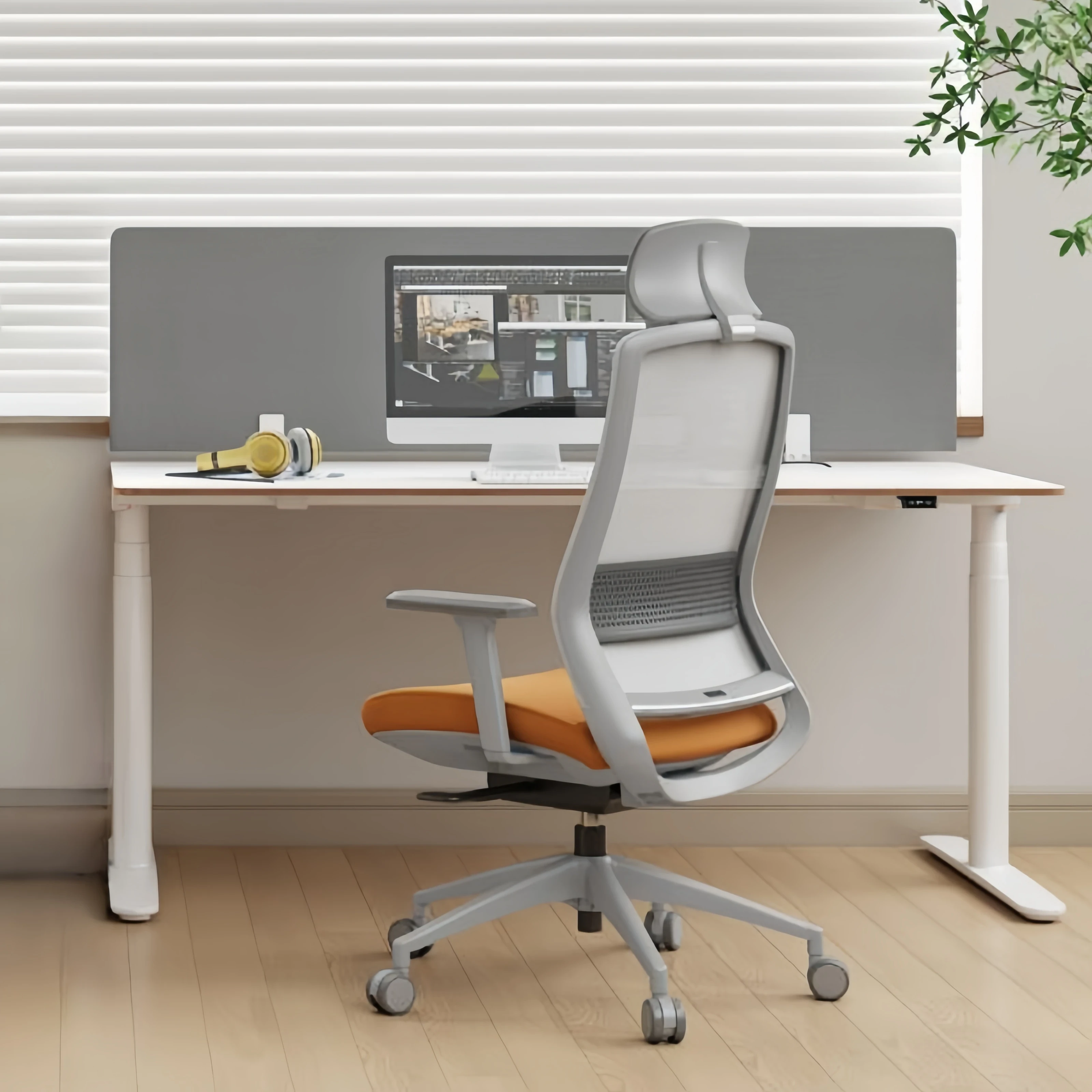


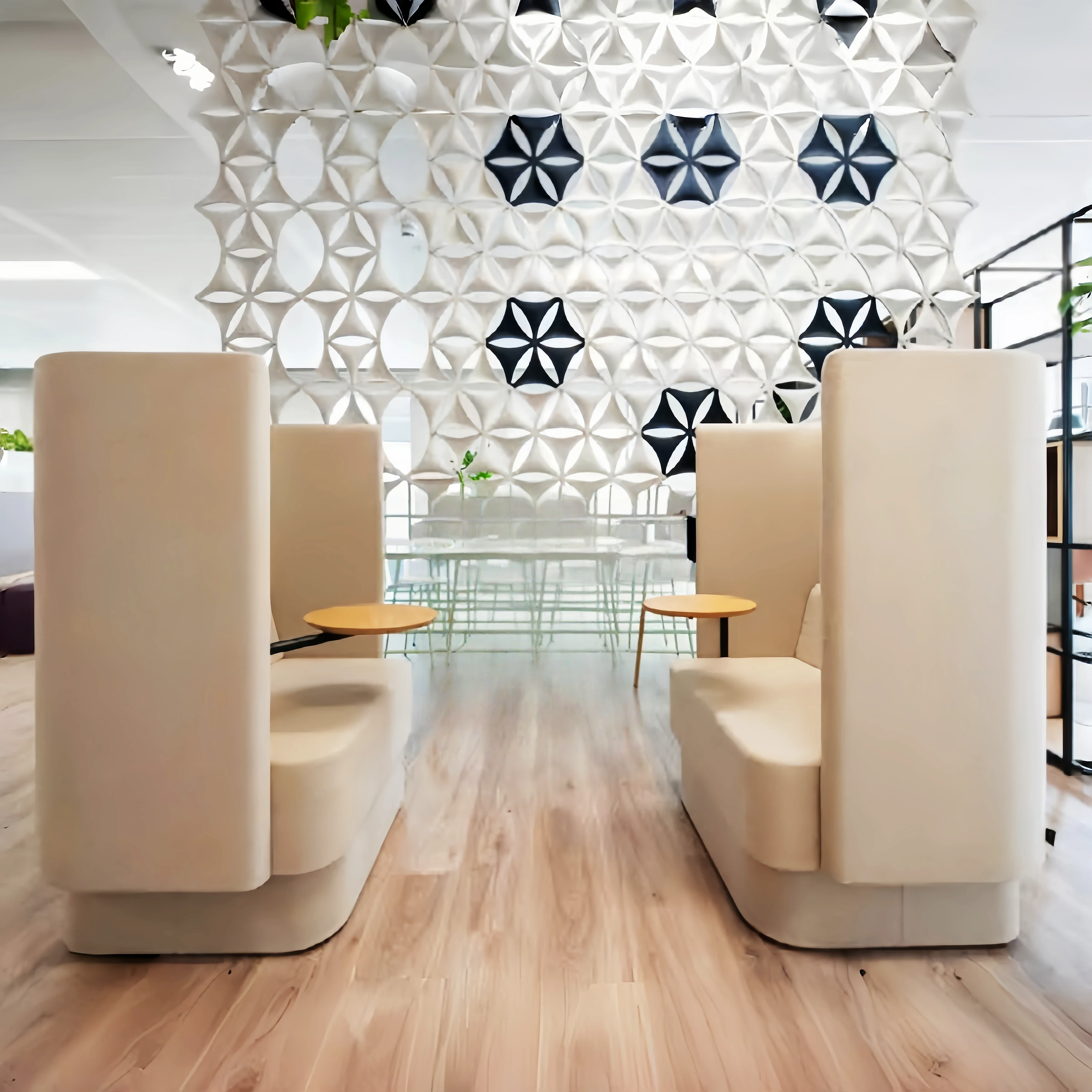

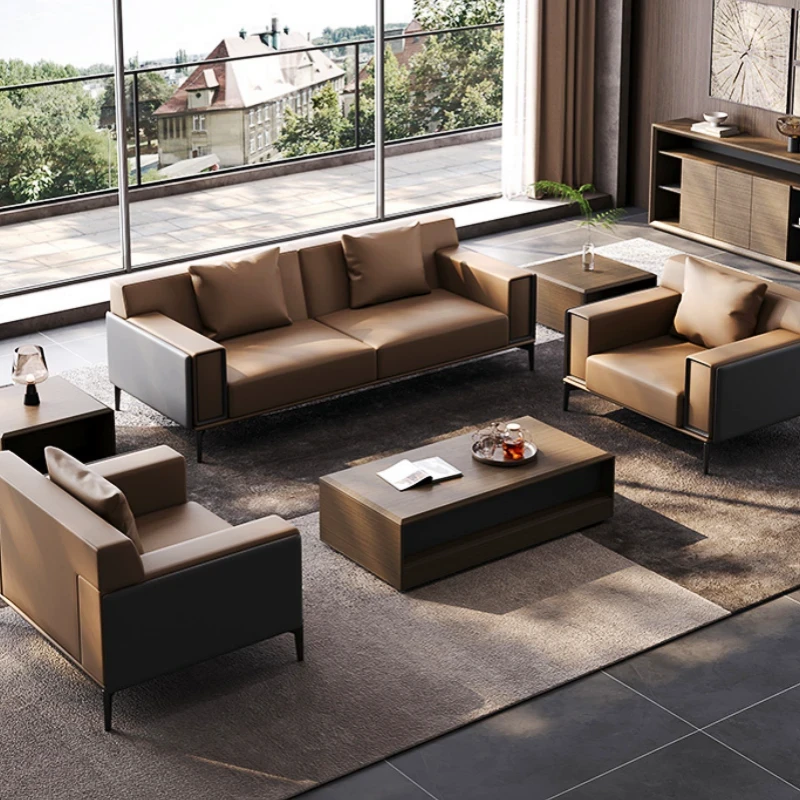
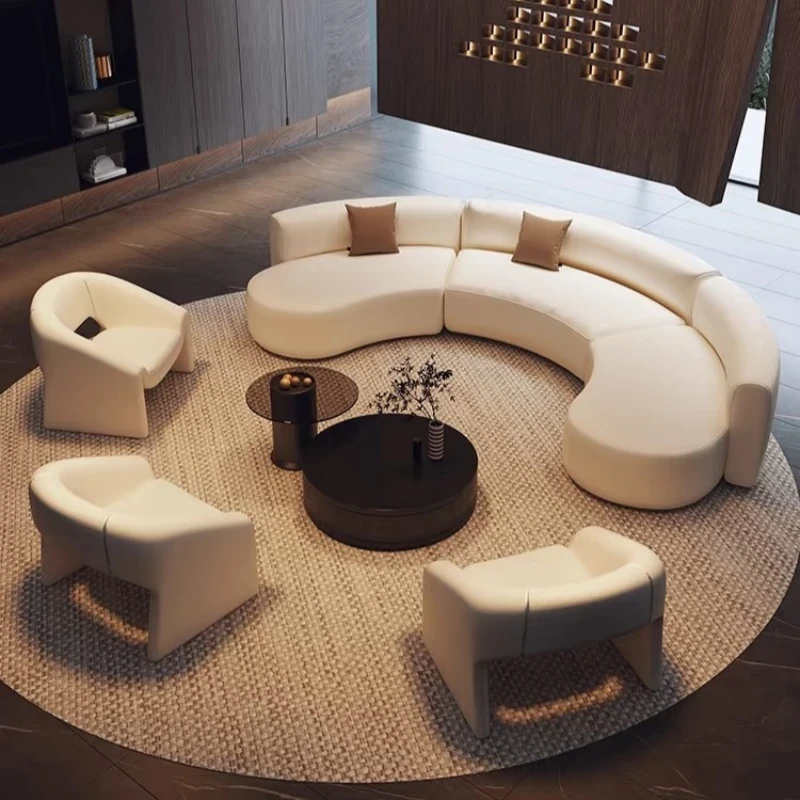
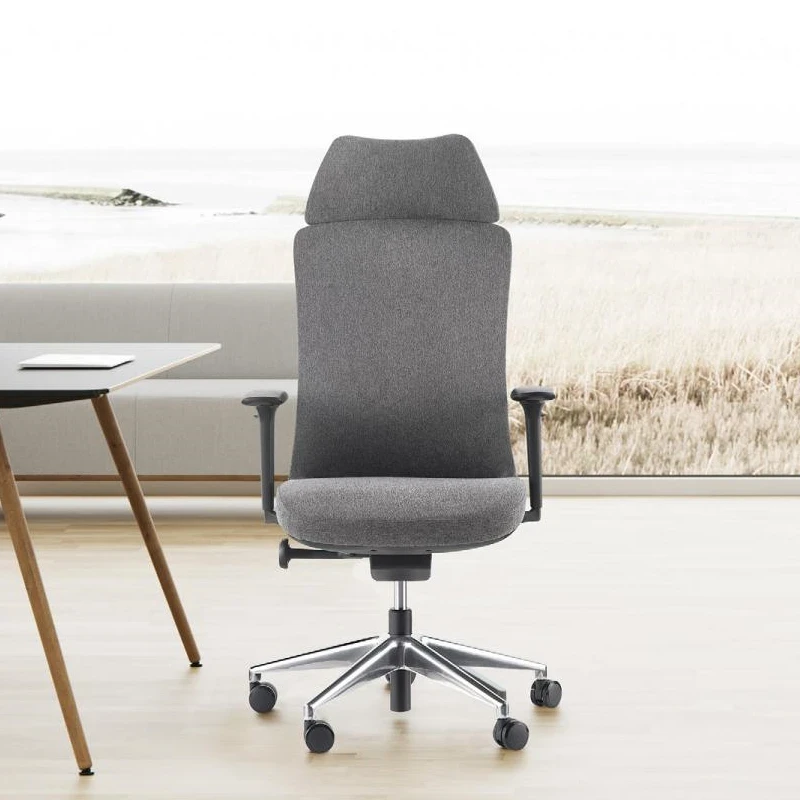


First, clearly define the hotel's brand positioning and customer characteristics. Different star ratings require different furniture quality and styles. For example, luxury hotels may prefer high-end, sophisticated materials, while business hotels may focus more on functionality and durability. Understanding customer needs and selecting materials accordingly can avoid excessive spending and ensure customer satisfaction.
2. Diversify and Rationally Choose Materials:
In material selection, hotels should consider durability, aesthetics, and ease of maintenance. For frequently used and high-wear furniture, such as bedside tables and chairs, choose high-strength and easy-to-clean materials. For more decorative furniture with lower usage frequency, choose visually appealing but relatively expensive materials. Additionally, consider using composite or innovative materials, which often offer a good user experience and cost-effectiveness.
3. Establish a Clear Budget Plan:
When customizing furniture, it is essential to develop a detailed and reasonable budget plan and prioritize items according to the hotel's needs. By distinguishing between essential and optional furniture, maximum value can be achieved within a limited budget. In addition, it's essential to reserve some leeway for unexpected expenses to cope with potential fluctuations in material prices or design changes.
4. Choose a reliable supplier.
An experienced and reputable furniture supplier can provide professional advice and solutions, helping the hotel find a balance between material selection and budget control. When selecting a supplier, it's crucial to examine their past client cases and market reputation. A good supplier not only provides high-quality products but can also help optimize designs to reduce costs within budget constraints.
5. Seek long-term partnerships.
Establishing long-term partnerships with suppliers helps reduce procurement costs and improve service quality. Long-term cooperation helps suppliers better understand the hotel's needs and style, facilitating future furniture updates and maintenance. Furthermore, long-term partnerships can yield more price advantages, improving overall cost-effectiveness.
6. Consider lifespan and maintenance costs.
Material selection should not only focus on initial procurement costs but also comprehensively consider its long-term maintenance and lifespan. Some materials that seem expensive initially may demonstrate high cost-effectiveness in the long run due to their durability and low wear rate. Meanwhile, materials that are easy to maintain and clean can reduce operating costs, making them a worthwhile investment. In
conclusion
, the balance between material selection and budget constraints directly impacts the final project outcome during the custom furniture process for star-rated hotels. Hotels can achieve the best cost-effectiveness in custom furniture by clearly defining their positioning, selecting appropriate materials, setting a budget, choosing high-quality suppliers, and seeking long-term partnerships. Such planning not only enhances the hotel's overall image and customer satisfaction but also provides a competitive edge in the fierce market.