
 USD
USD GBP
GBP
 EUR
EUR
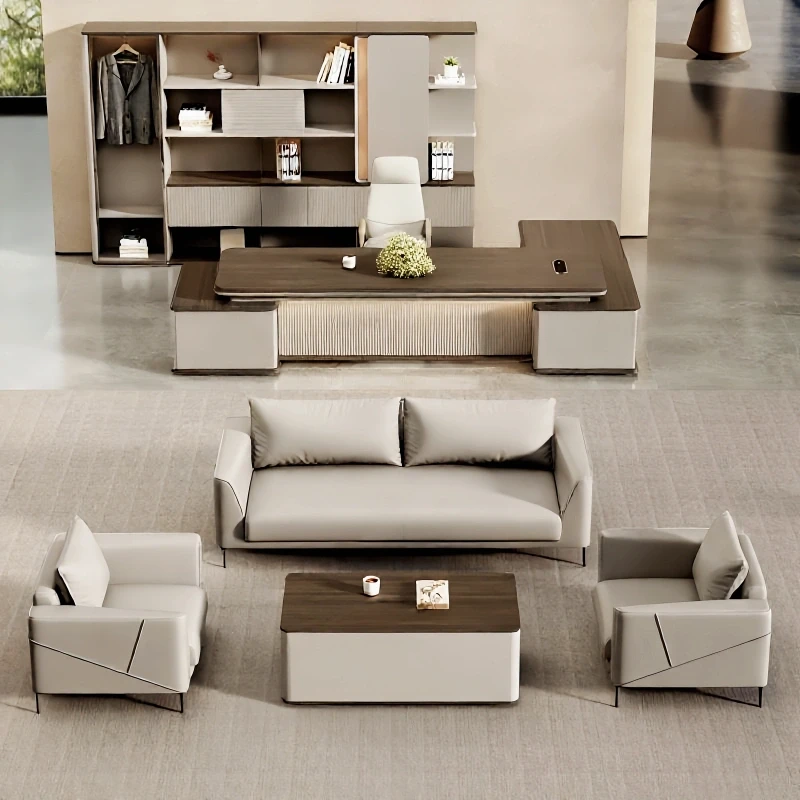
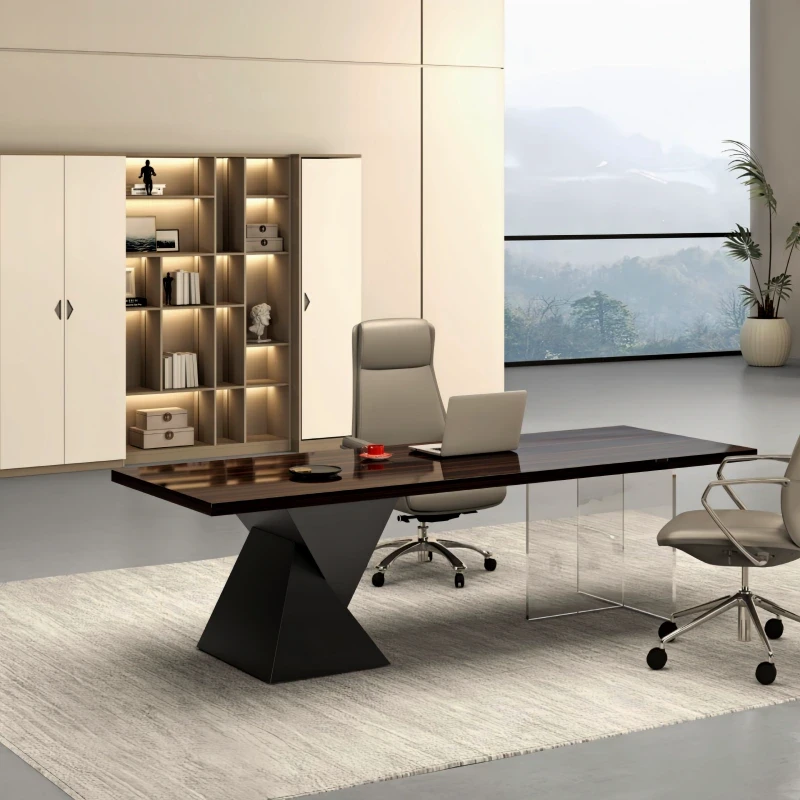


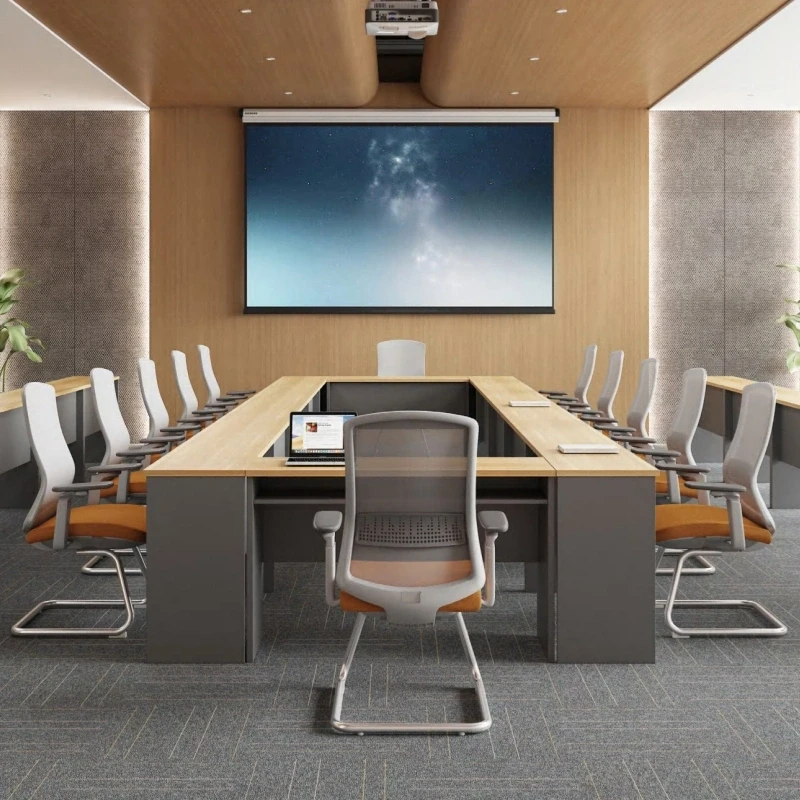
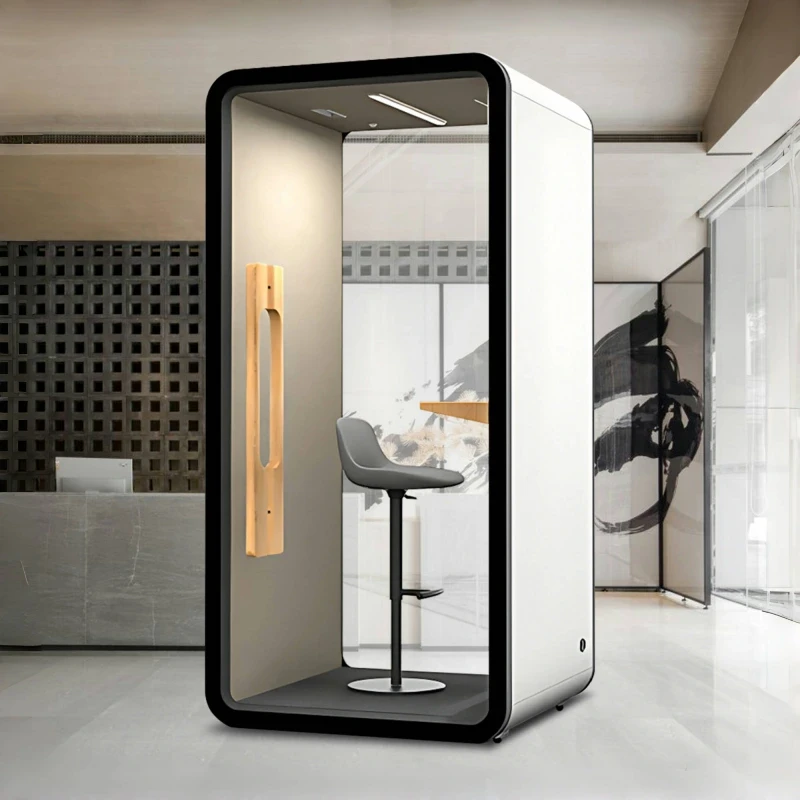
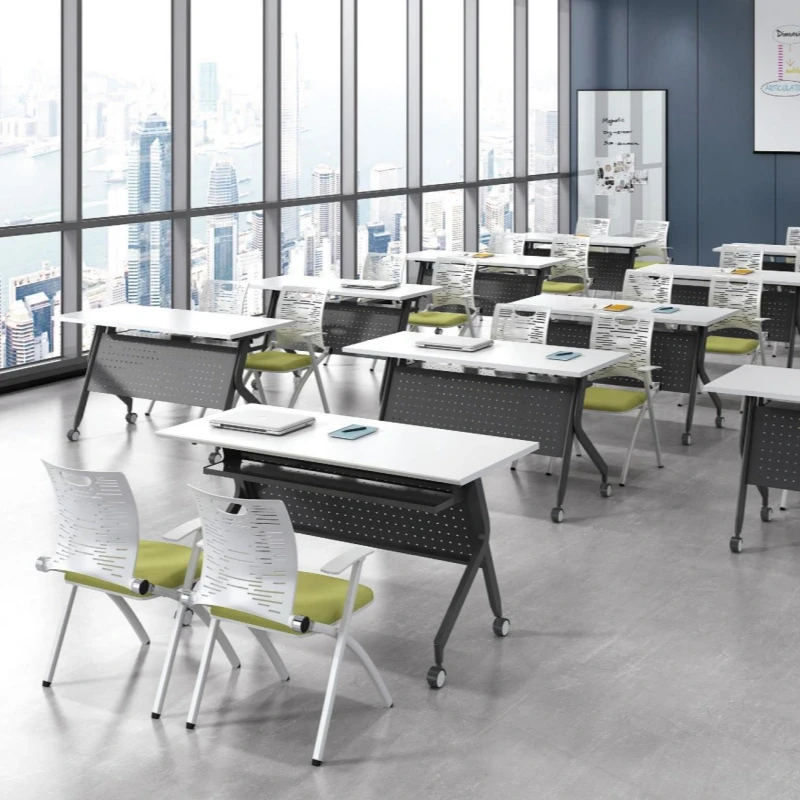
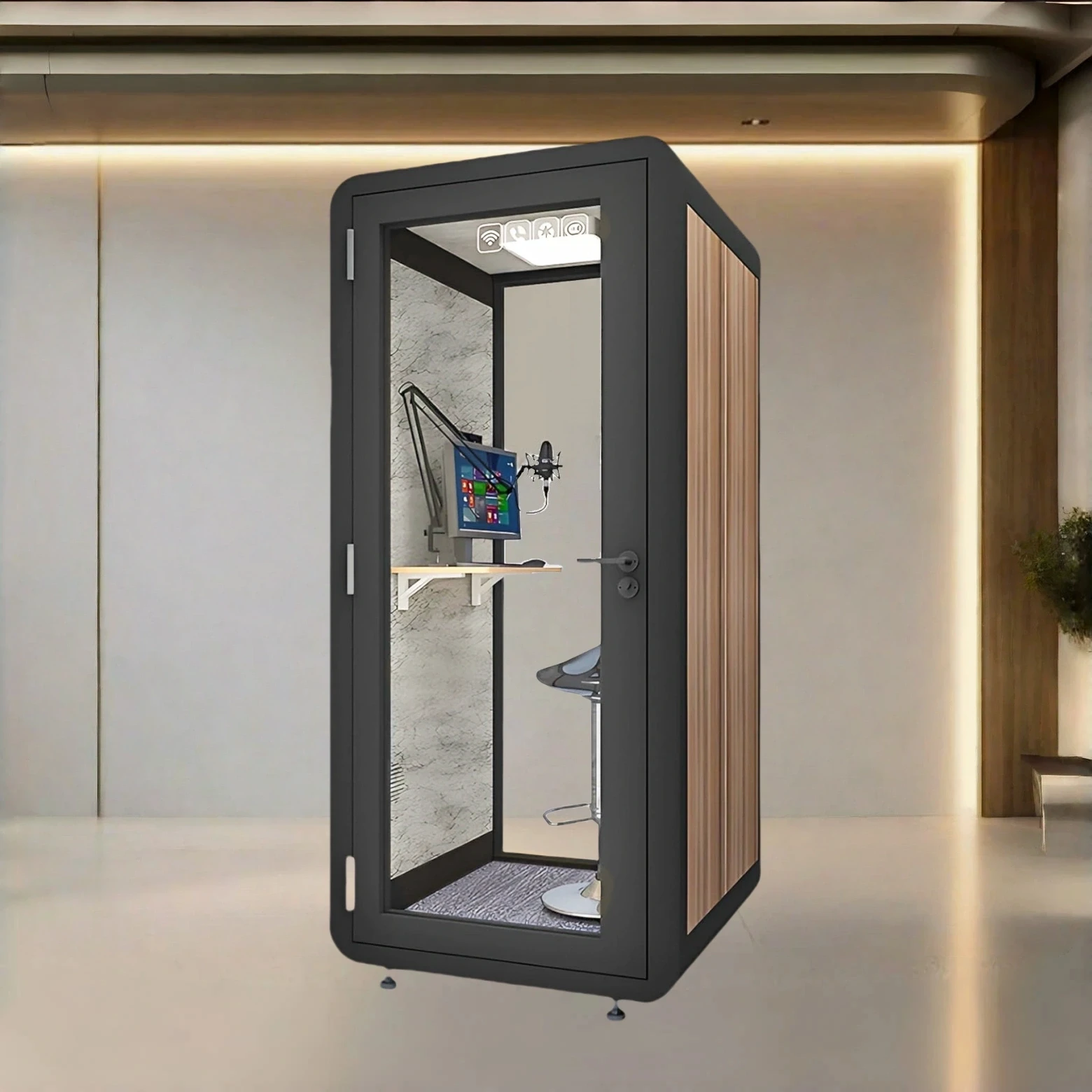
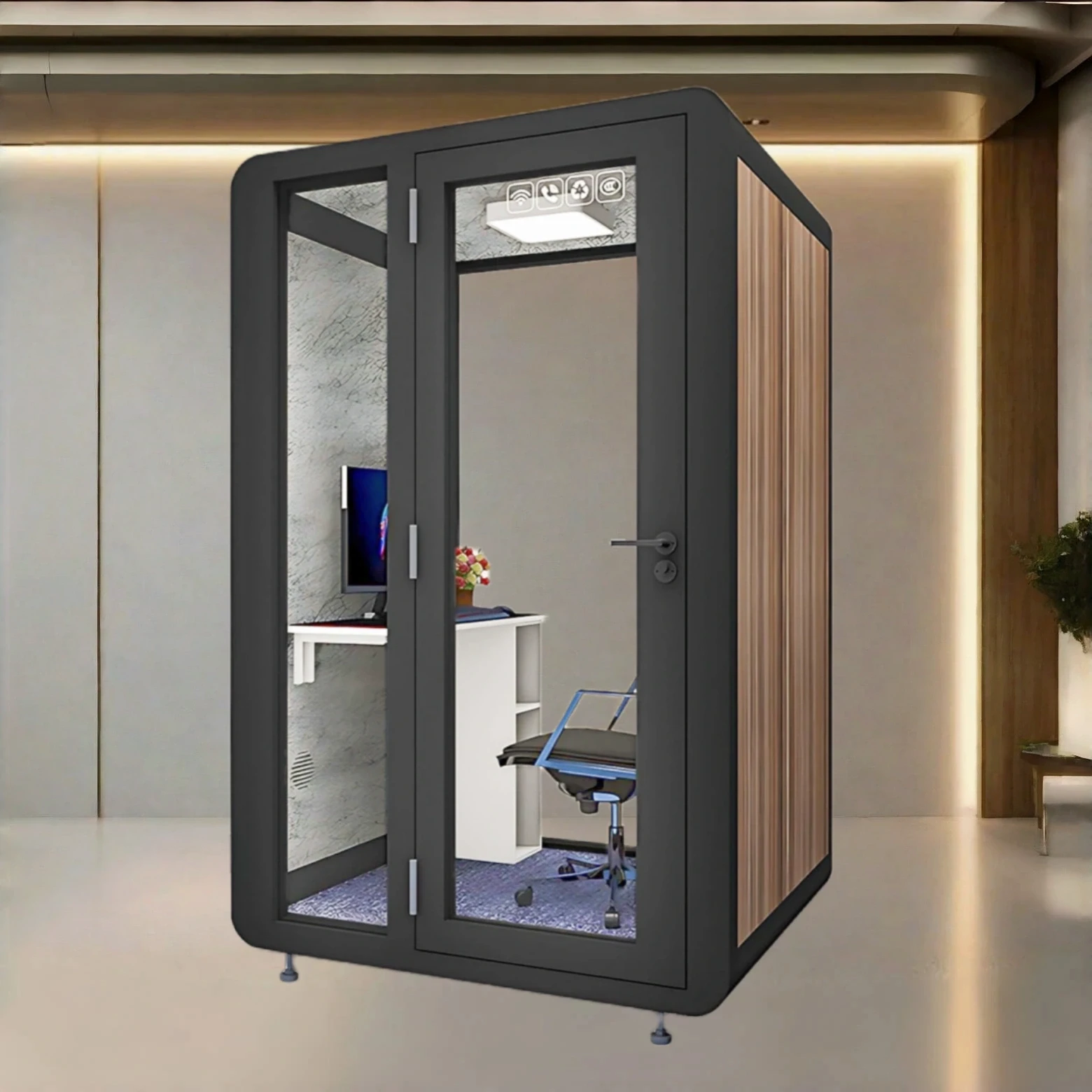
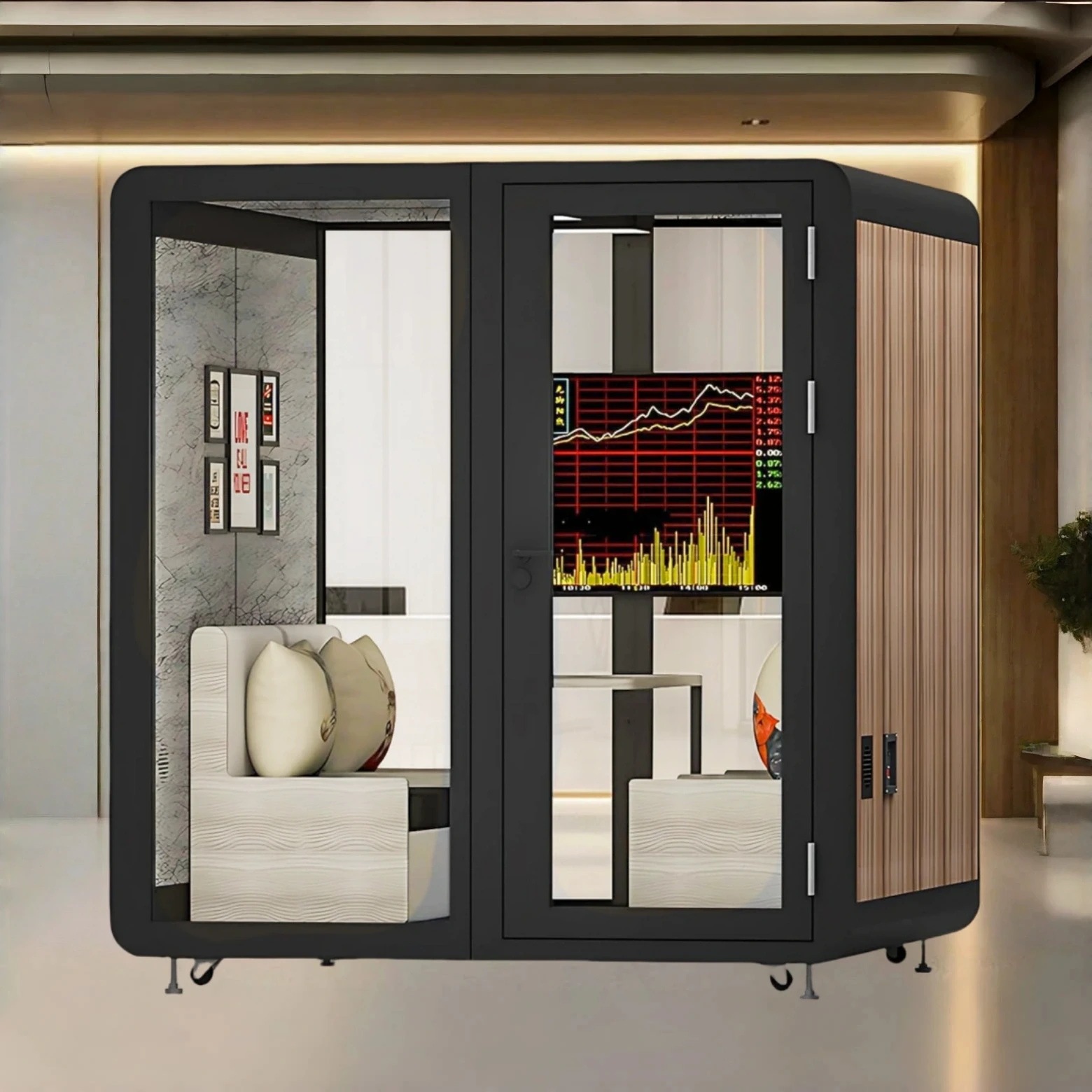
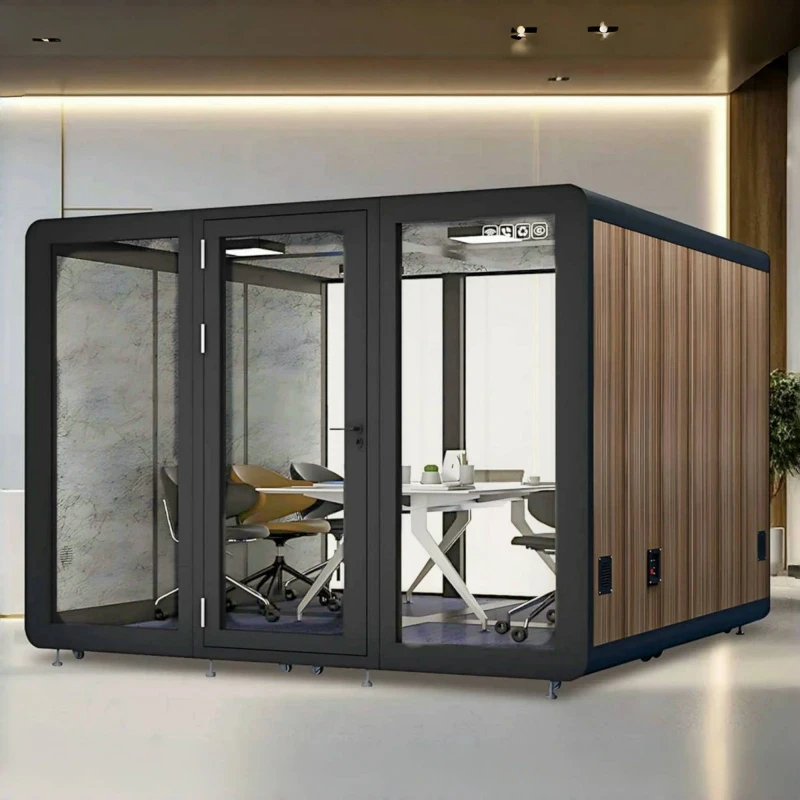


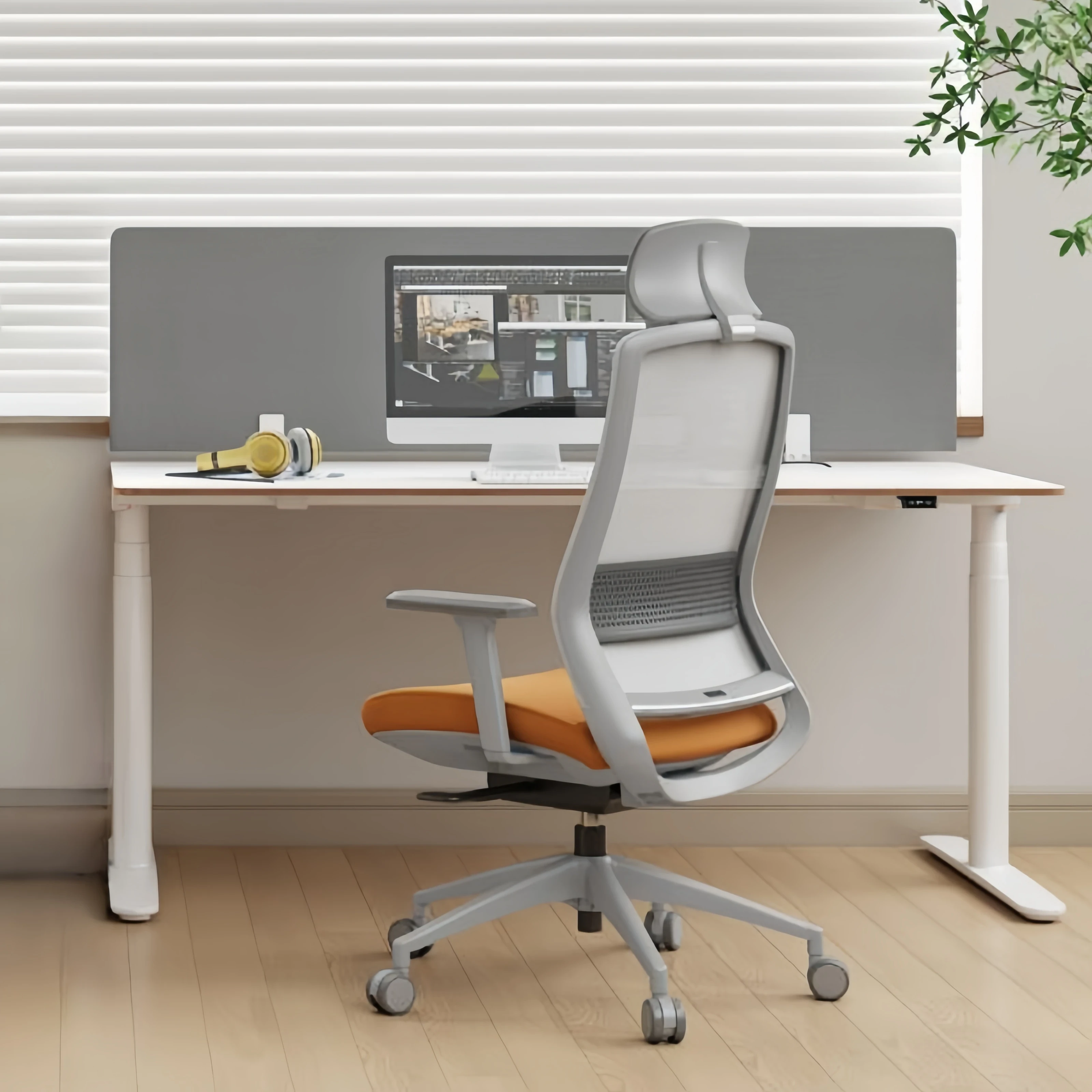


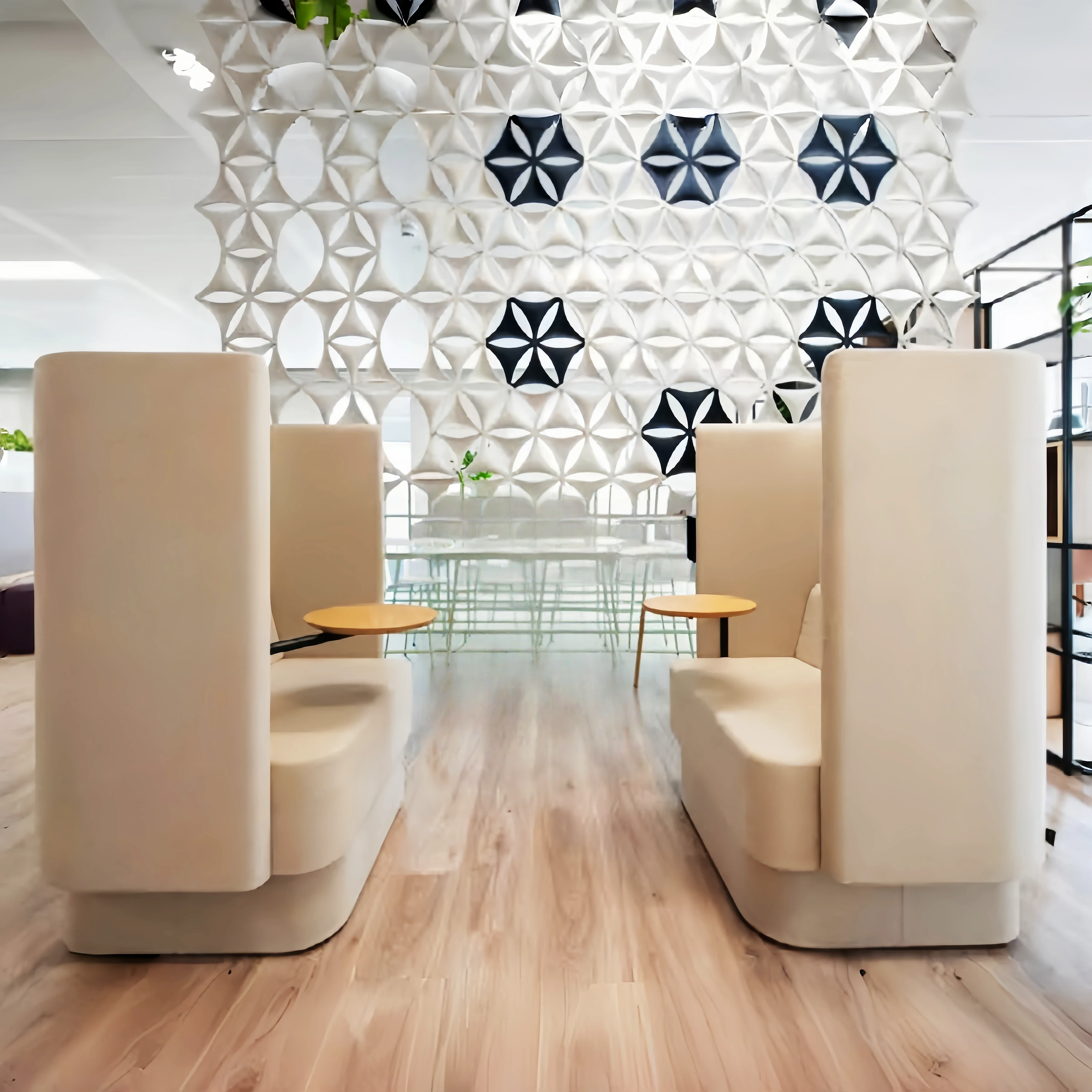

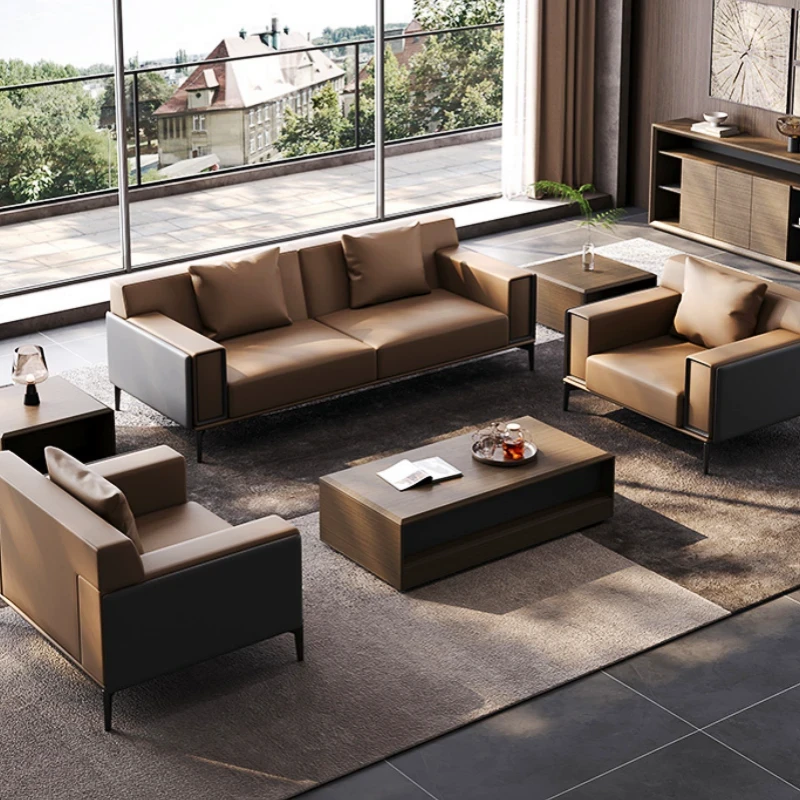
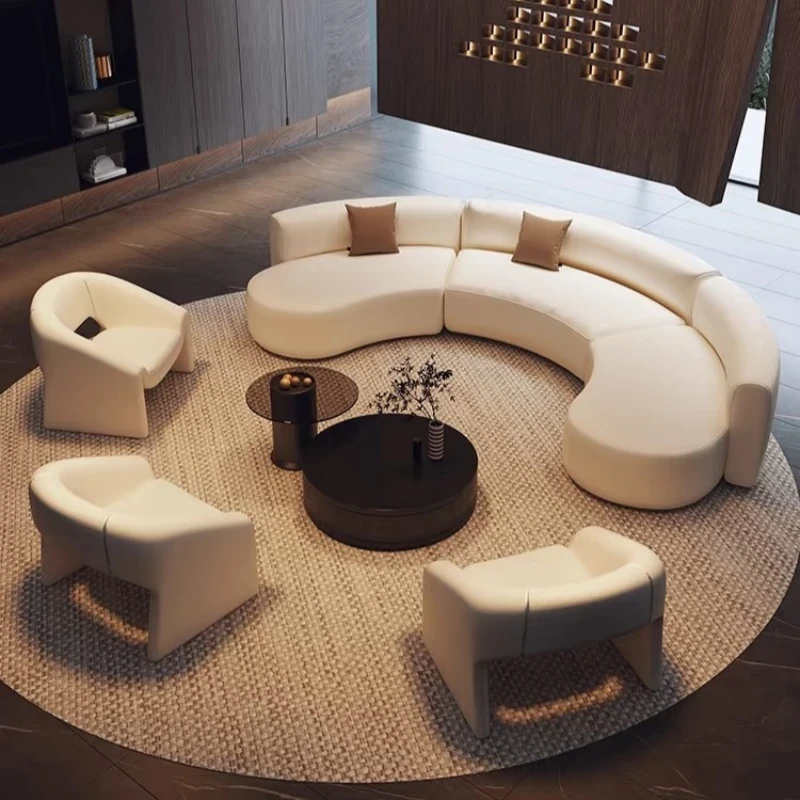
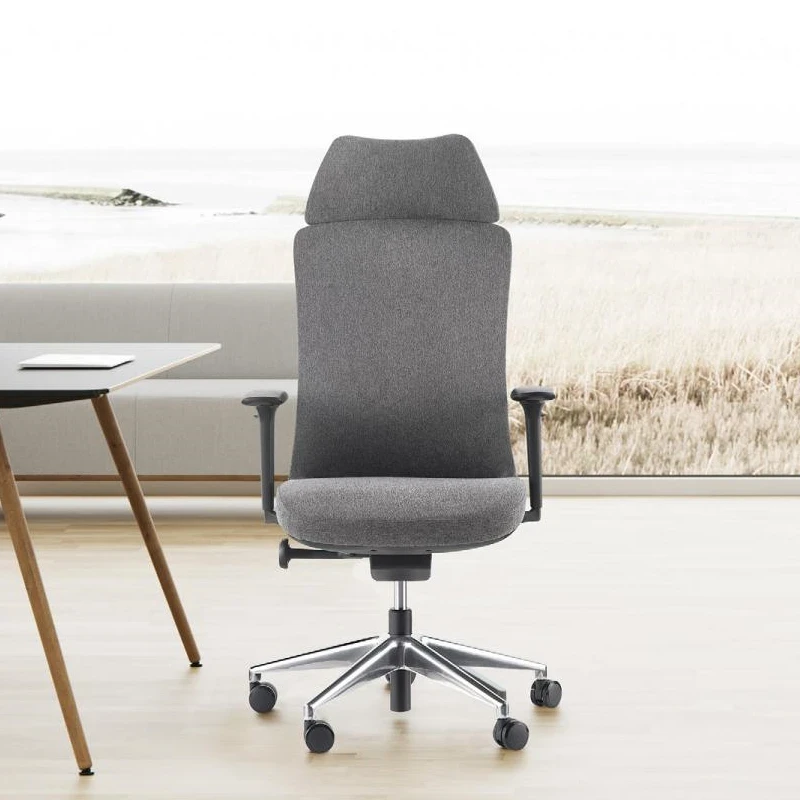


There are two things to keep in mind when arranging an office desk: First, the desk should not face directly towards the entrance. Second, the person sitting behind the desk should have a wall or similar support behind them, rather than an empty space.
Avoid placing your desk directly opposite the door, primarily to prevent leaders from being disturbed by noise from outside or being spied on while working; avoid having too much empty space behind your desk, mainly to reduce feelings of emptiness and insecurity for business people sitting at their desks, thus increasing their sense of reliability.
The placement of an office desk should allow for a relatively spacious area in front of it, which, according to Feng Shui, is a vital energy zone that fosters a sense of openness and expansiveness. Simultaneously, the desk should be far from the door, and the door should be located at a slight angle to the left front of the desk to prevent direct observation from others through the door and to avoid noise from outside. Behind the desk should be a solid wall, as a wall, like a mountain range, provides a sense of stability and support for the desk.
In addition, it's important to choose an office with windows. The surrounding environment should also be carefully observed; when looking out the window, there should be no ominous objects like chimneys directly in front. Furthermore, check if there's a walkway outside the window. If so, it's best to avoid that location, as the footsteps, laughter, and noise from people coming and going can negatively impact the work mood of those conducting business. Moreover, there's the constant possibility of being spied on from outside the window.
(a) Ideal location for the office desk
After carefully observing the environment outside the window, the ideal arrangement for the desk inside is as follows: a solid wall behind the desk, a window to the left offering a beautiful natural view, creating a pleasant, well-lit, and well-ventilated work environment. Working in such an environment will undoubtedly boost your thinking, enthusiasm, and efficiency. With the door located in the front right corner of the desk, it's less likely to be disturbed by noise from outside or by others peeping in. If the office door is in the upper left corner, the desk position can be adjusted accordingly, achieving the same effect, unaffected by so-called auspicious directions based on zodiac signs.
(II) Taboos in the Arrangement of Office Desks
Taboos regarding the placement of office desks mainly refer to situations where the placement of items is unsuitable, causing discomfort to leaders or business owners while working.
There are five main taboos regarding the arrangement of office desks:
1. Avoid sitting with your back to the door: Placing your desk directly opposite the door and sitting with your back to the door is the first thing to avoid when arranging your desk.
2. Avoid sitting sideways to the door: Placing your desk to the right of the entrance, at an angle to the door, violates this taboo. It can lead to distractions, decreased work efficiency, and other problems.
It affects physical health.
3. Avoid placing your desk near a window in a walkway: If you place your desk under a window in a walkway, it is equivalent to placing your desk under a source of negative energy, and you will also be constantly being spied on by others passing by.
4. Avoid having a window behind you: If you place your desk parallel to a window, with your seat between the window and the desk, using the window as a screen, you should avoid this arrangement.
Sitting by the window is unfavorable for business people. The constant drafts will cause back discomfort throughout the day, and over time, this can disrupt one's mental state. If exposed to a cold draft, it can easily cause the body to lose its balance and become ill. Furthermore, the light from outside shining in from behind creates backlighting, which is detrimental to eyesight.
Sitting with your back to a window offers no sturdy support. If the windowsill is too low, there is also the risk of accidentally falling; both situations should be avoided.