
 USD
USD GBP
GBP
 EUR
EUR
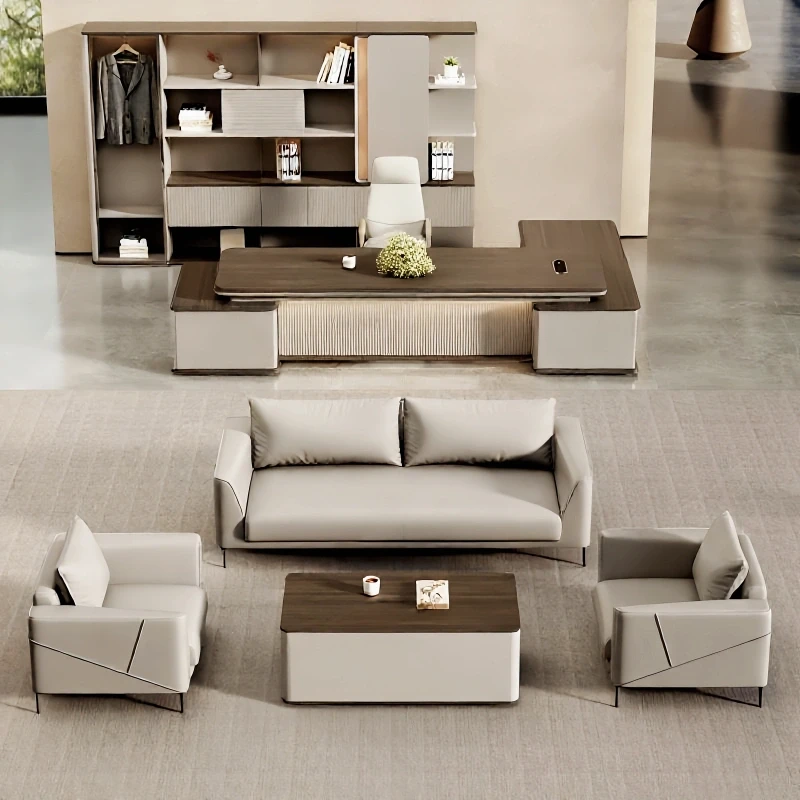
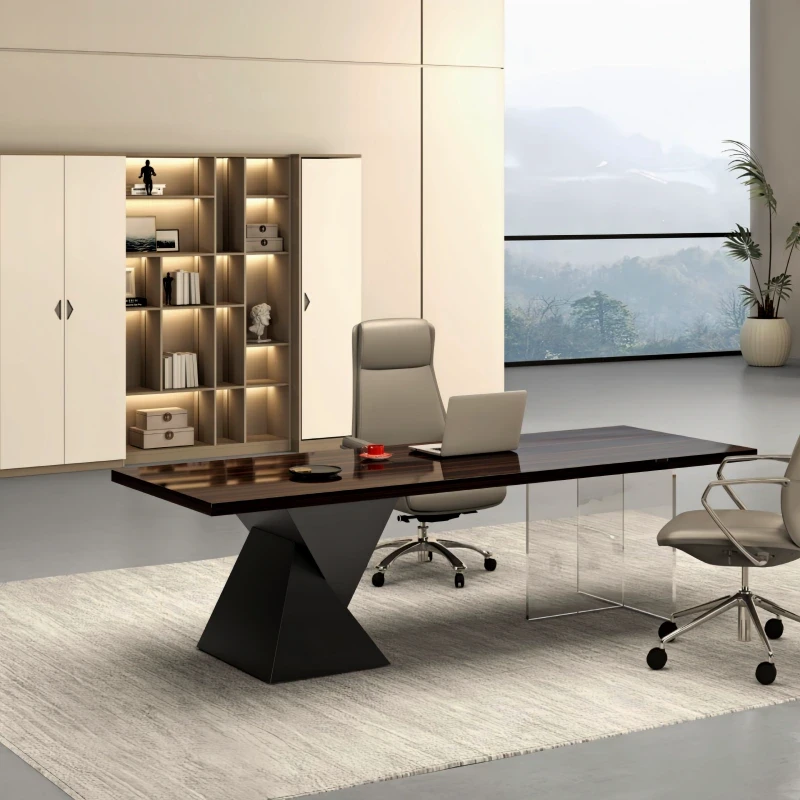


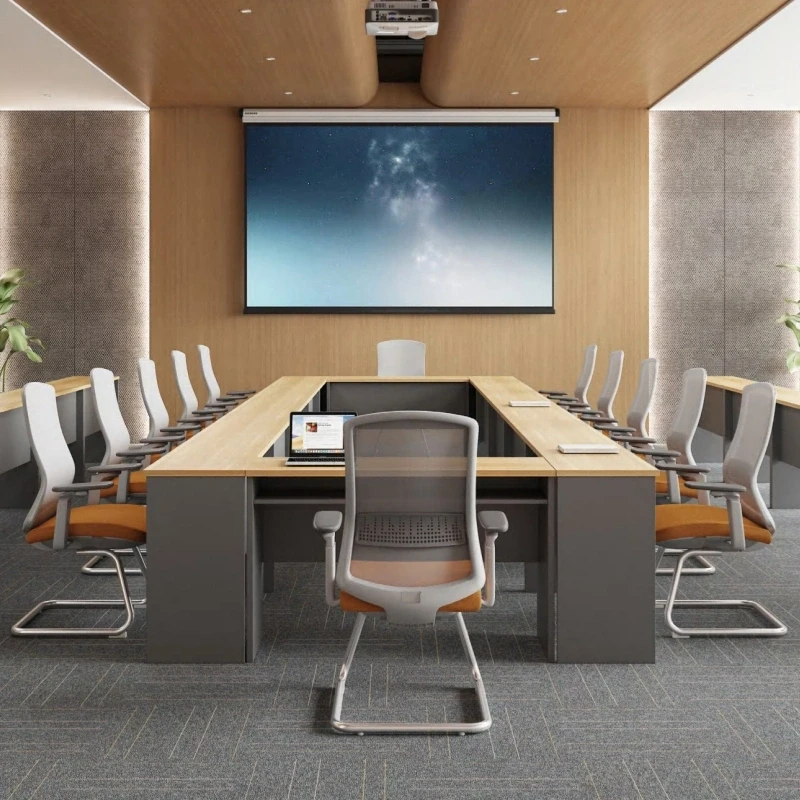
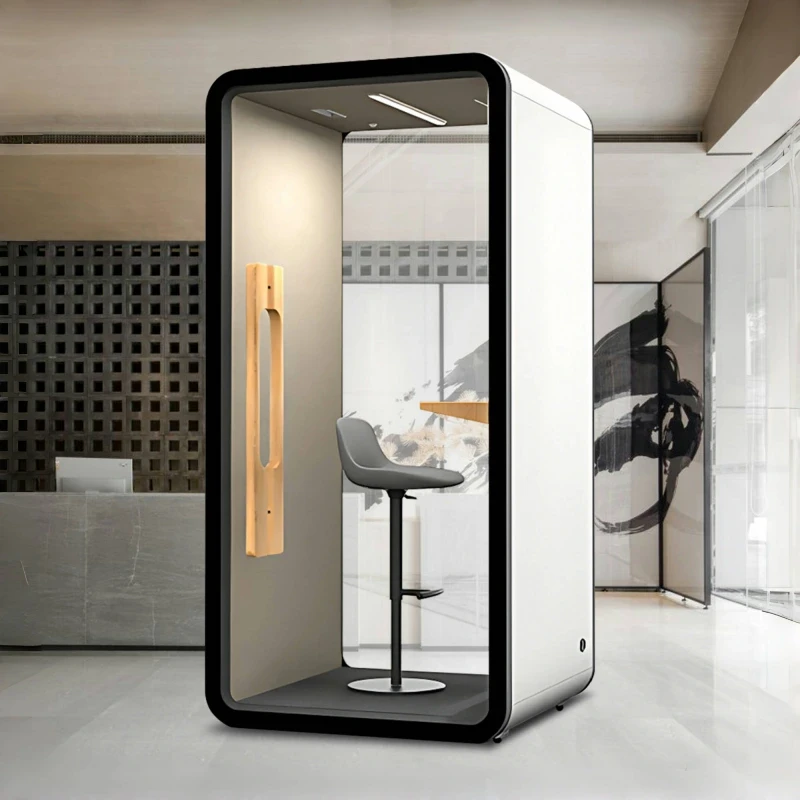
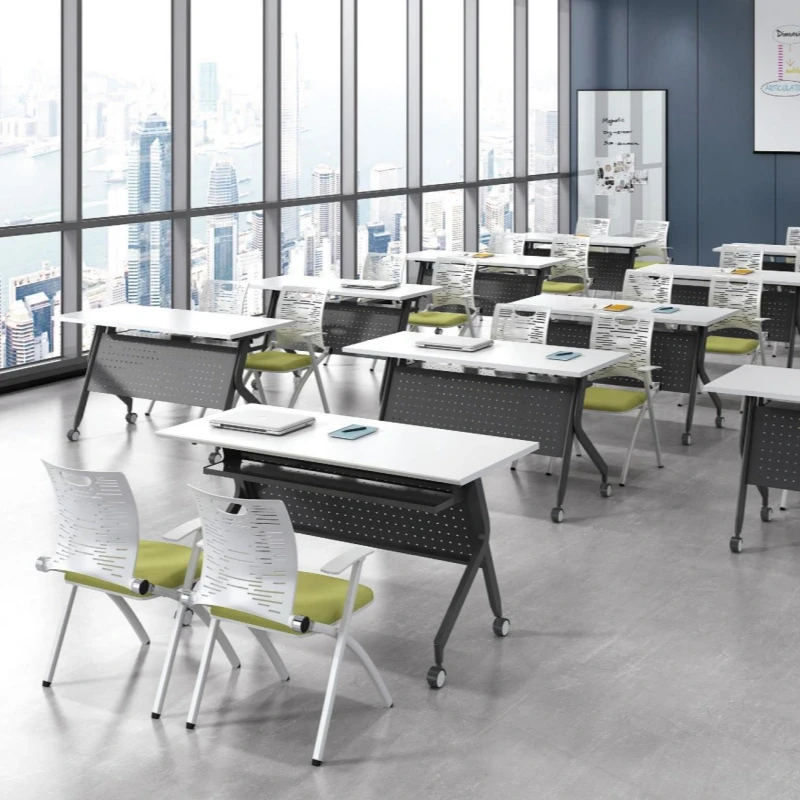
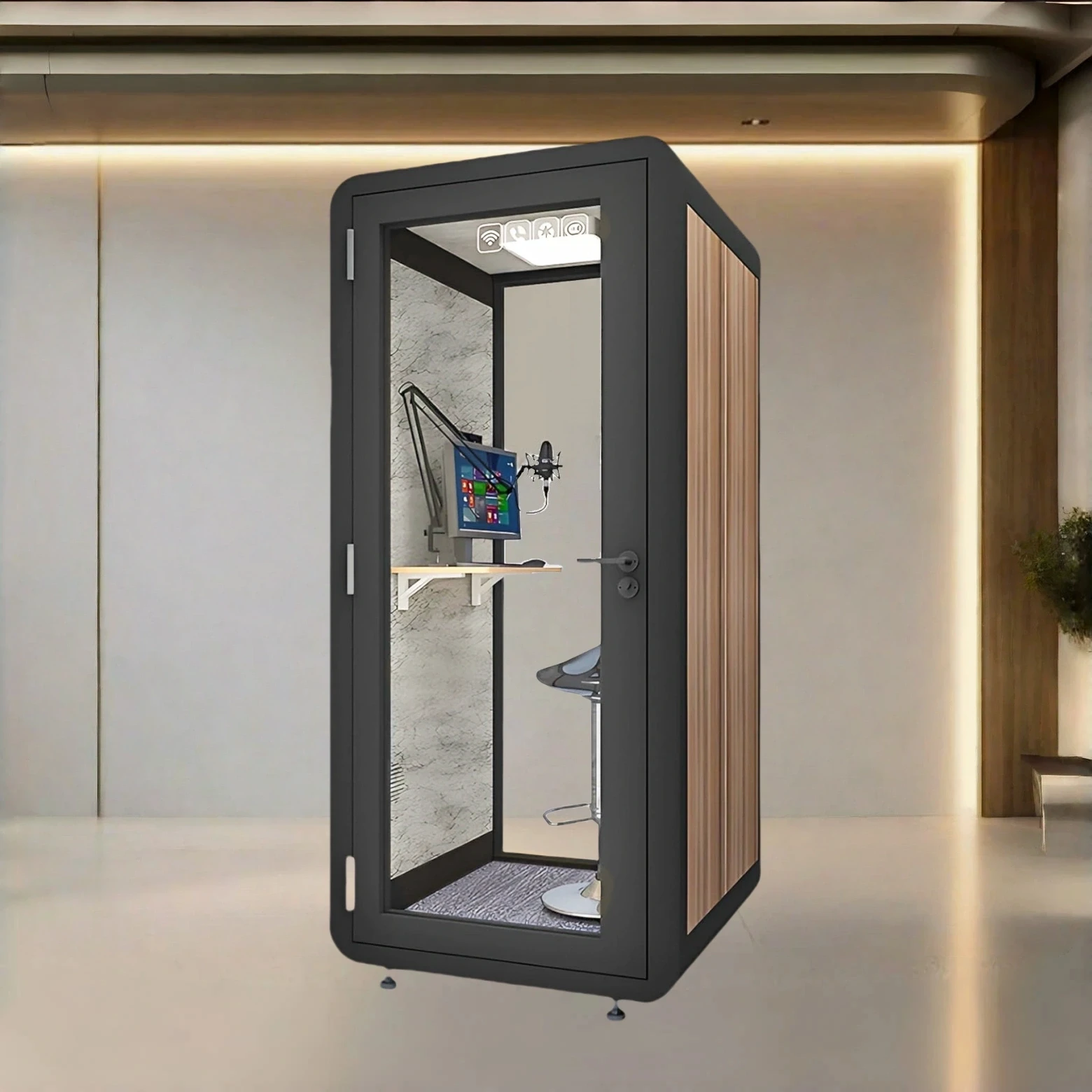
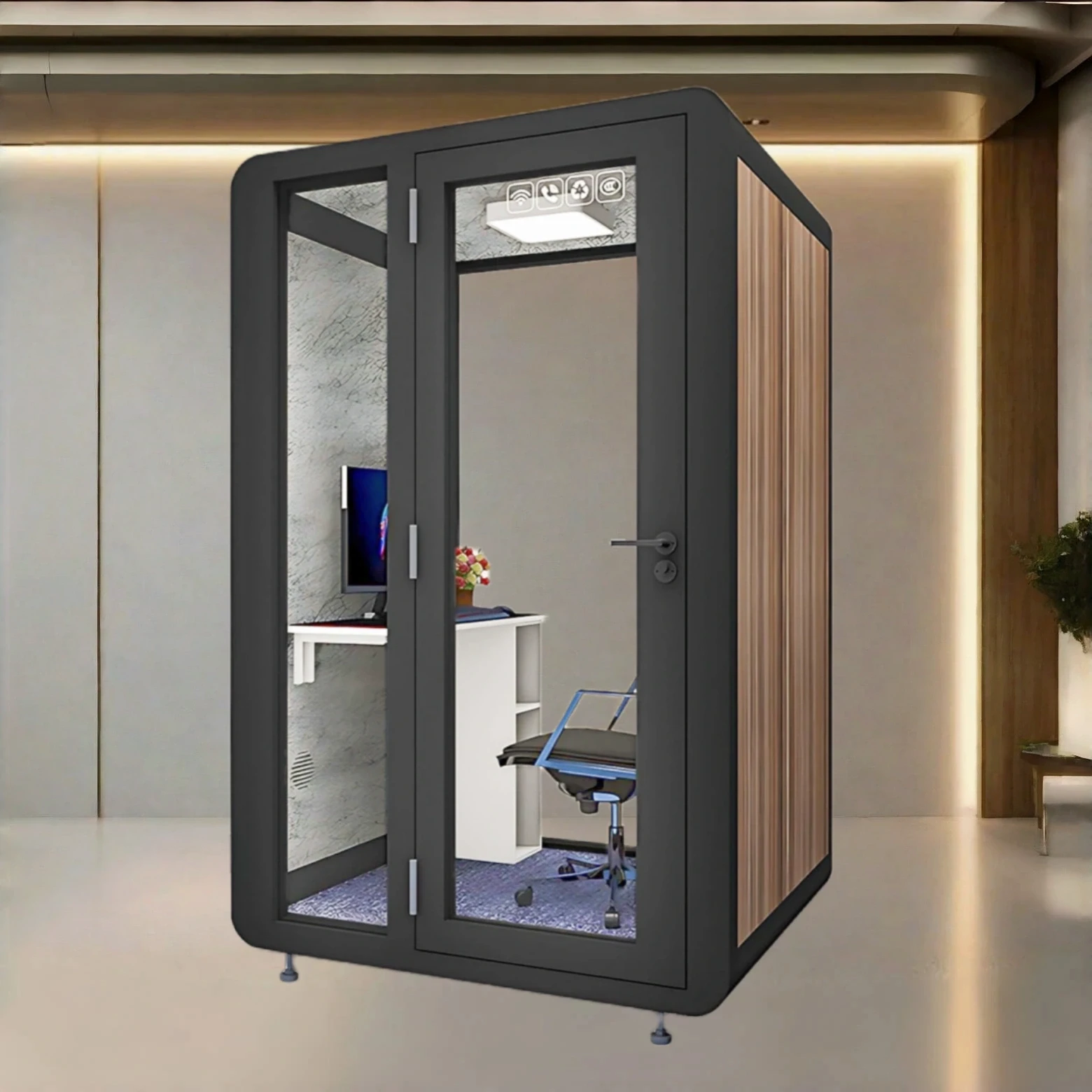
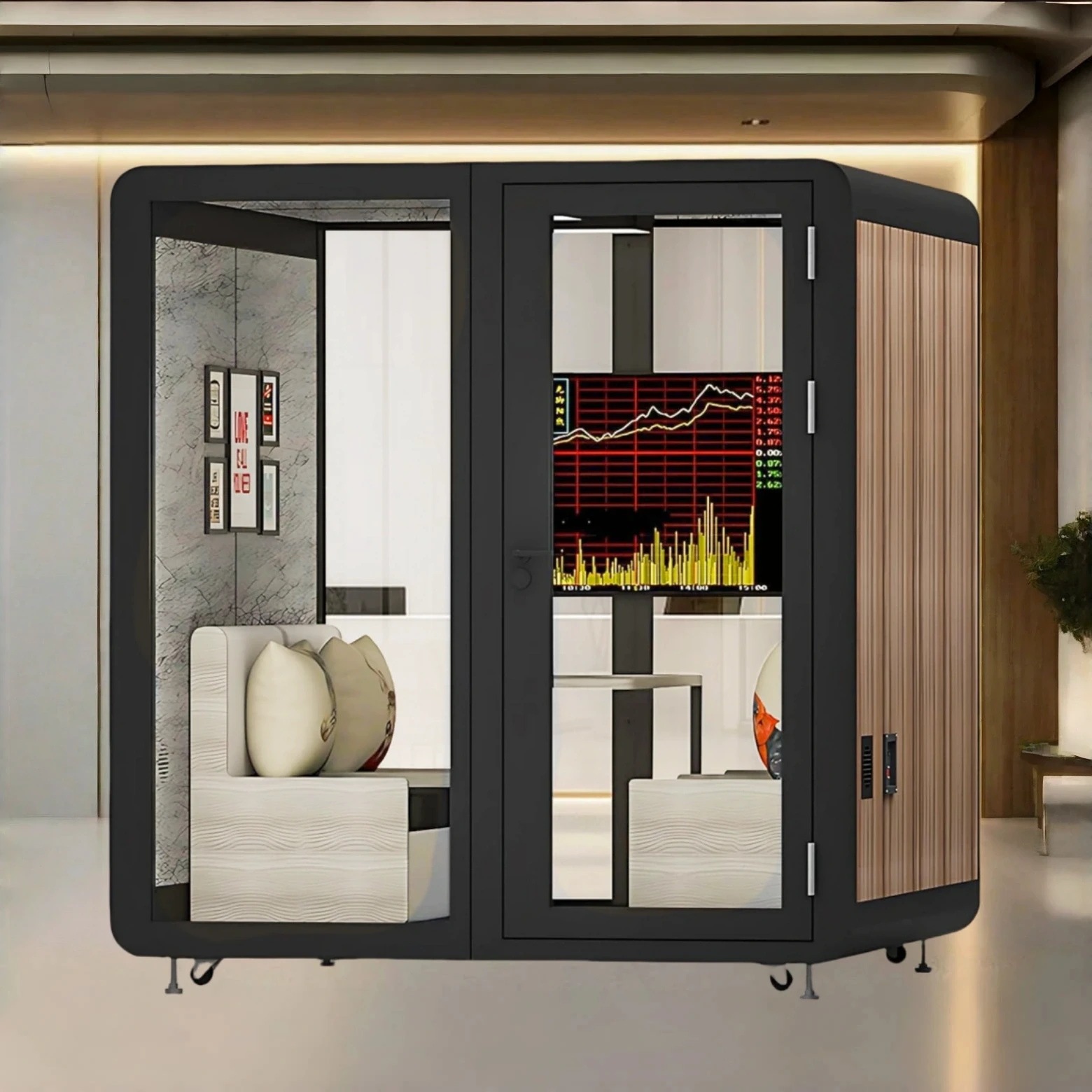
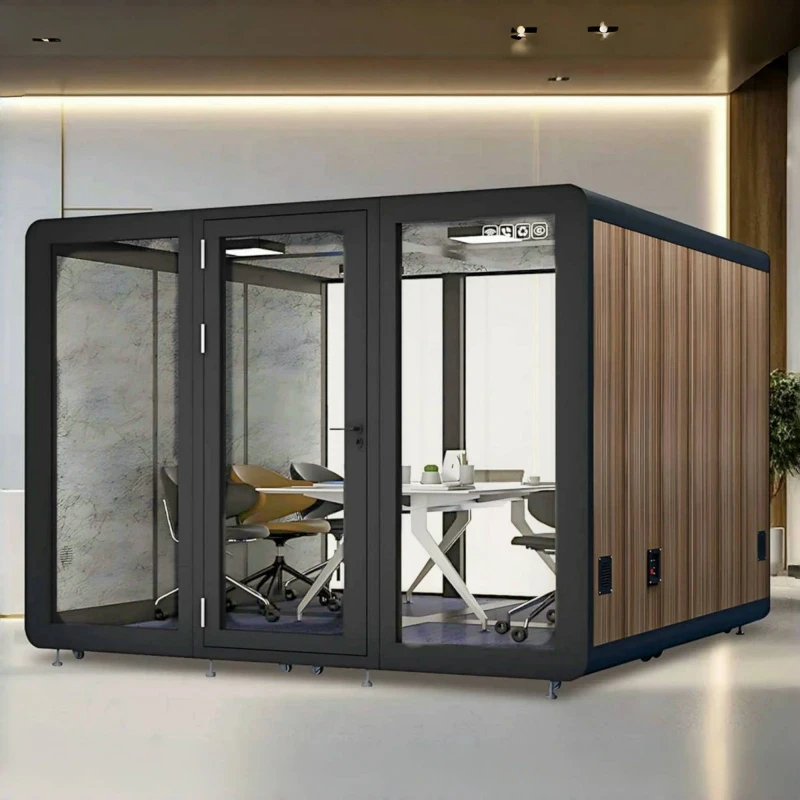



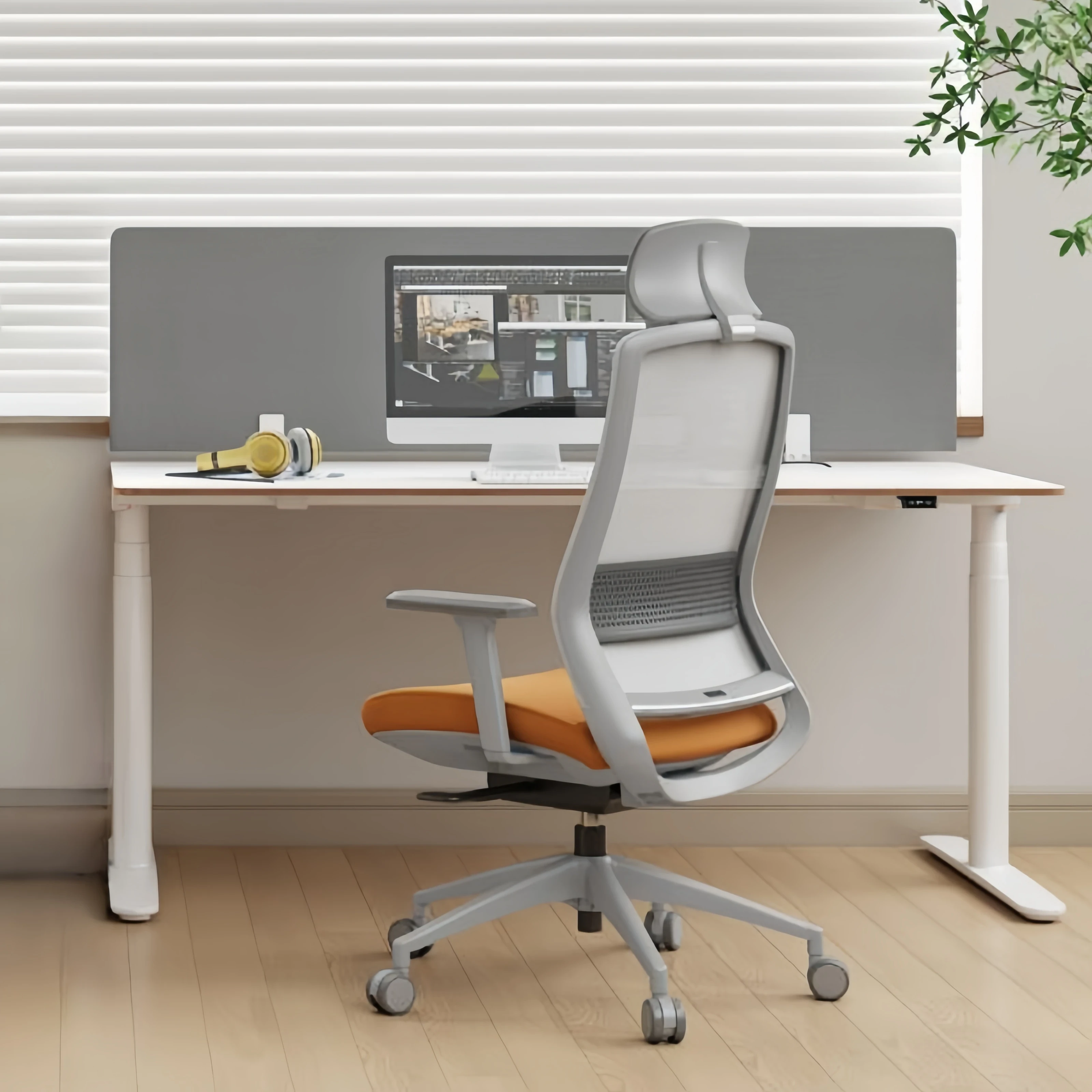


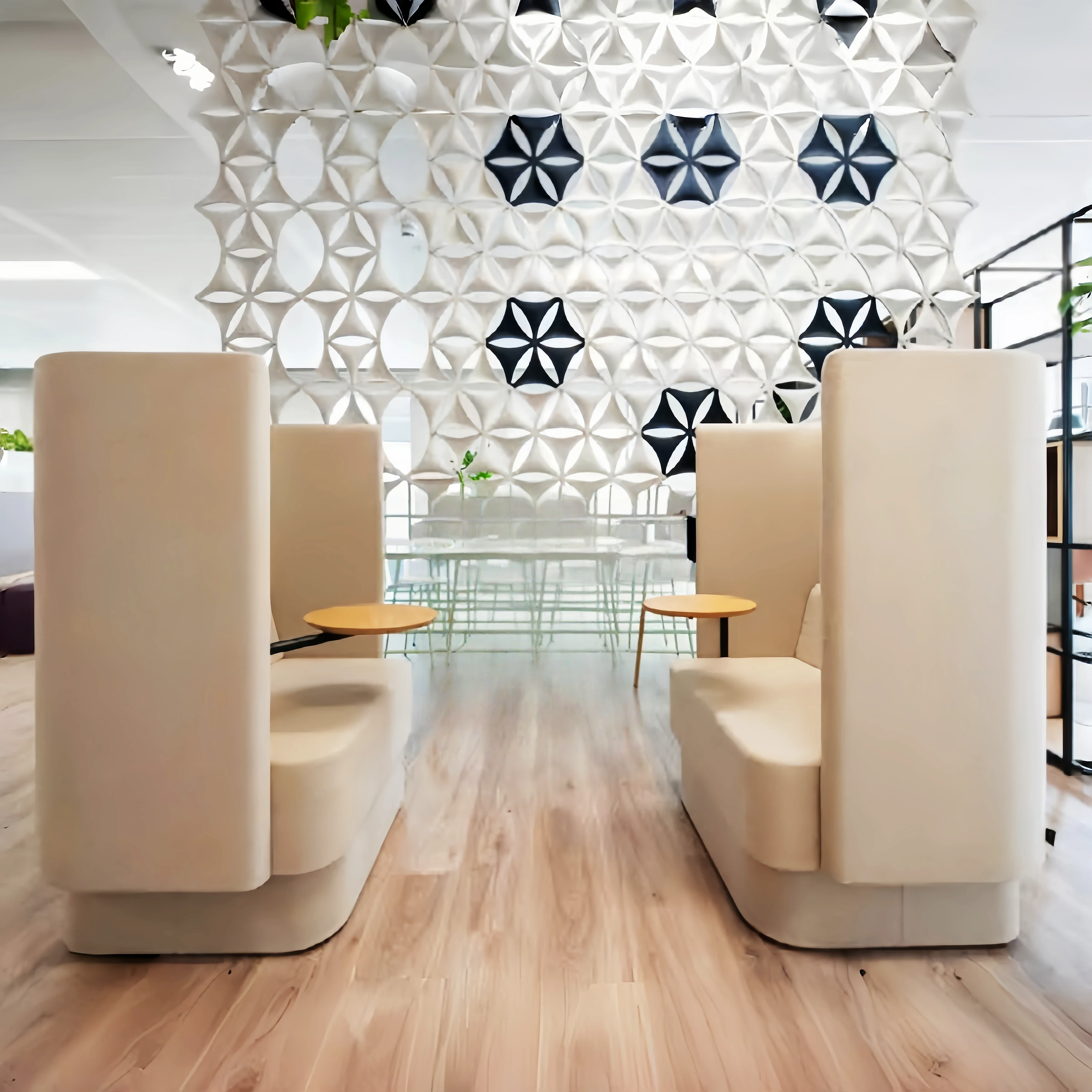

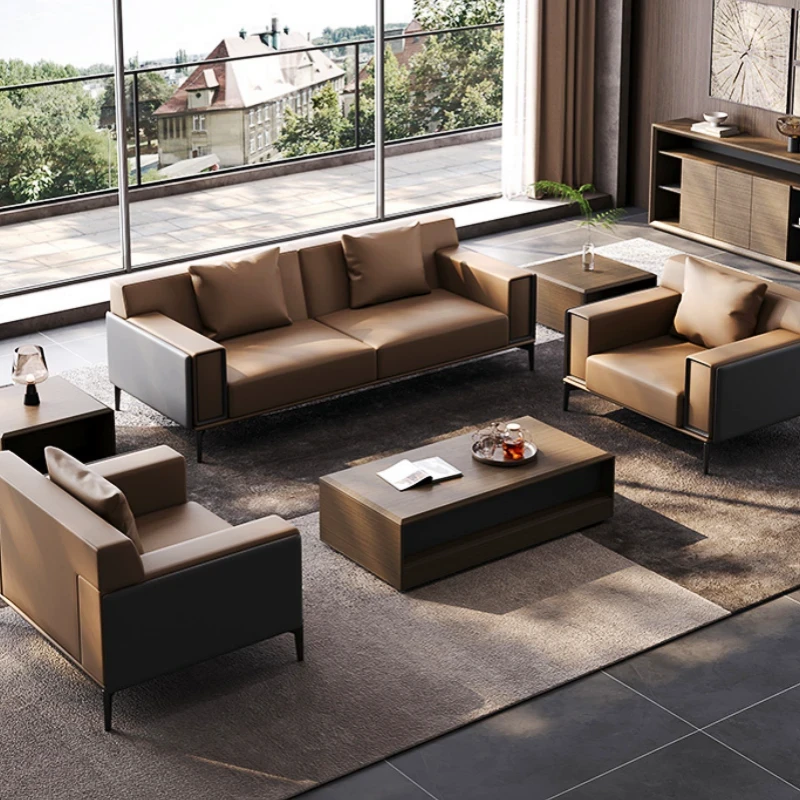
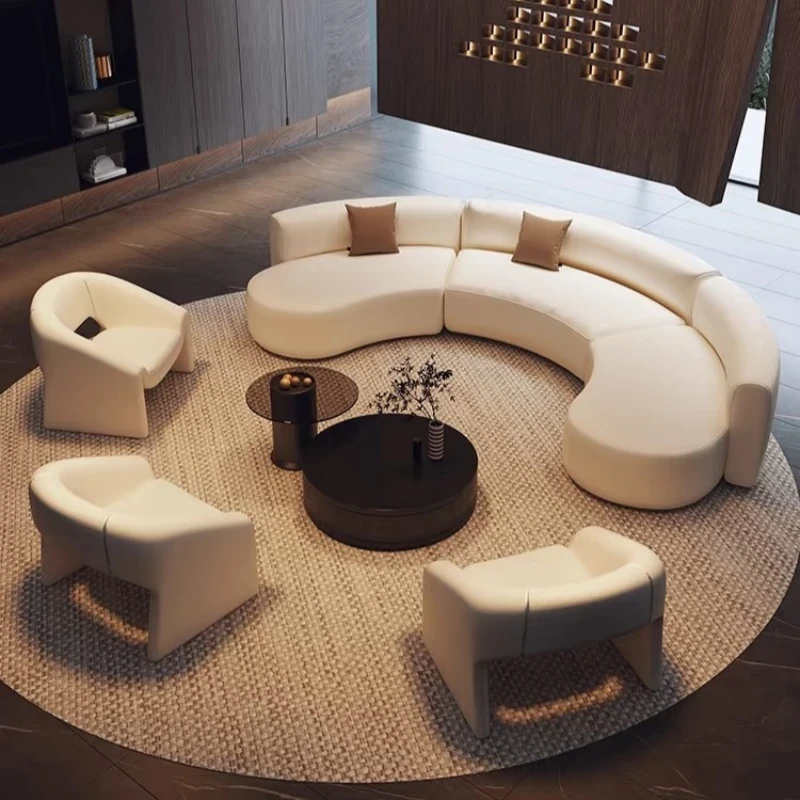
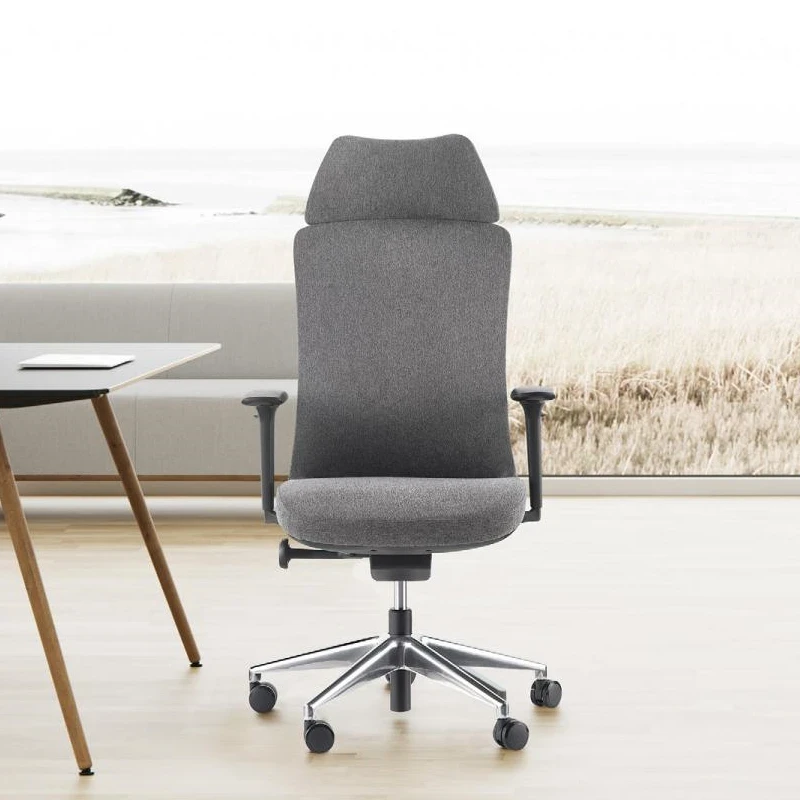


Applicability: First, furniture should meet the functional needs of the school, including desks and chairs, bookshelves, teacher desks, and lab benches. Different teaching activities require different types of furniture, so it's essential to ensure that the purchased furniture can adapt to various teaching scenarios.
Flexibility: With changing educational models, many schools advocate interactive and collaborative learning. Therefore, choosing movable and adjustable furniture (such as height-adjustable desks and chairs, and modular tables) can better meet the diverse needs of teaching methods.
II. Safety and
Environmental Friendliness: School furniture should be made from environmentally friendly and harmless materials, avoiding the use of harmful substances. Furthermore, ensure that furniture materials meet relevant national environmental standards to protect students' health. Structural Stability
: The design of the furniture should ensure stability to prevent accidental injuries caused by improper use. For example, the edges and corners of desks and chairs should be rounded to avoid sharp edges causing injury to students. Durability:
In educational environments, furniture often needs to withstand high usage frequency. When purchasing, consider the furniture's wear resistance and damage resistance to ensure it can withstand the test of time.
III. Comfort
and Ergonomics: Choosing furniture that conforms to ergonomic principles is crucial. The height and angle of desks and chairs should be suitable for students' height to effectively reduce the impact of poor posture on their bodies, thereby improving their concentration.
Ventilation and breathability: For students who sit for long periods, the materials and design of the furniture should have a certain degree of breathability to improve comfort and reduce fatigue.
Fourth, design and aesthetics
: The color and design of school furniture should be coordinated with the overall atmosphere of the school. Healthy and bright colors can enhance students' learning enthusiasm and the overall aesthetics of the campus.
Adaptability: Furniture should have a certain degree of replaceability and adaptability to allow for adjustments as the school develops and classroom management needs change.
Fifth, budget control and
cost-effectiveness: Reasonable cost control is essential while ensuring quality and functionality. Comparing and inquiring with multiple suppliers to select those offering high cost-effectiveness helps schools make rational use of funds.
After-sales service: Inquire about the after-sales service policies of the selected brand, including warranty periods, maintenance services, and replacement parts, to reduce potential long-term expenses.
Sixth, supplier selection
and brand reputation: Choosing a reputable furniture supplier with a good industry reputation is crucial. The reliability of a brand can be assessed by reviewing evaluations, case studies, and consulting the purchasing experience of other schools.
Customization Services: Some suppliers offer customization services, designing furniture to meet the specific needs of schools, thus better satisfying individual usage requirements.
Conclusion
: In an educational environment, suitable school furniture not only enhances learning comfort but also creates a positive atmosphere for campus culture. Therefore, school purchasers need to comprehensively consider factors such as functionality, safety, comfort, design, and budget when selecting furniture. Through scientific selection and careful decision-making, a higher-quality learning environment can be created for teachers and students, promoting the development of education.