
 USD
USD GBP
GBP
 EUR
EUR


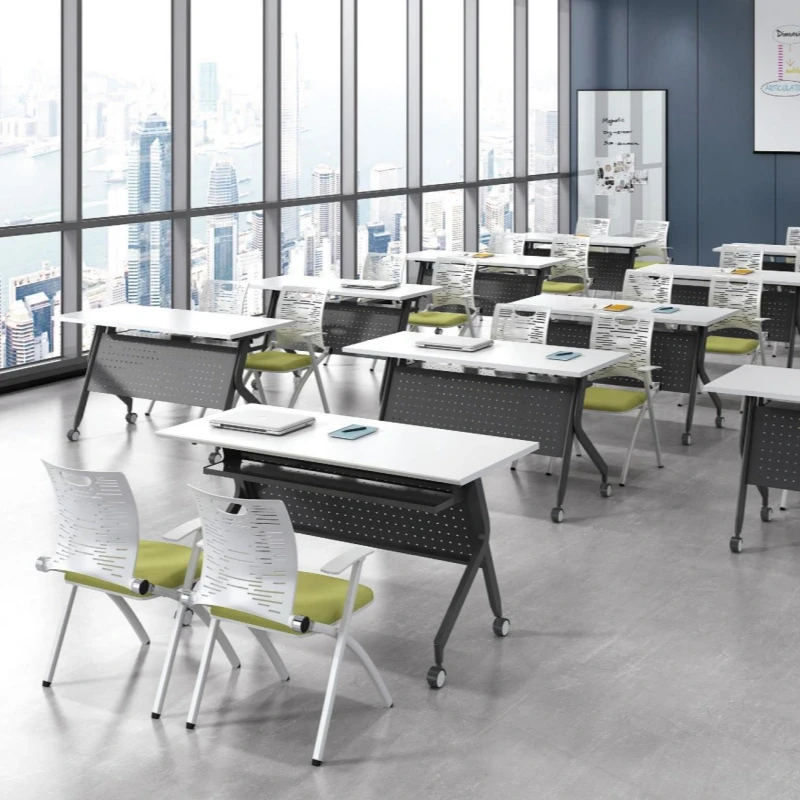
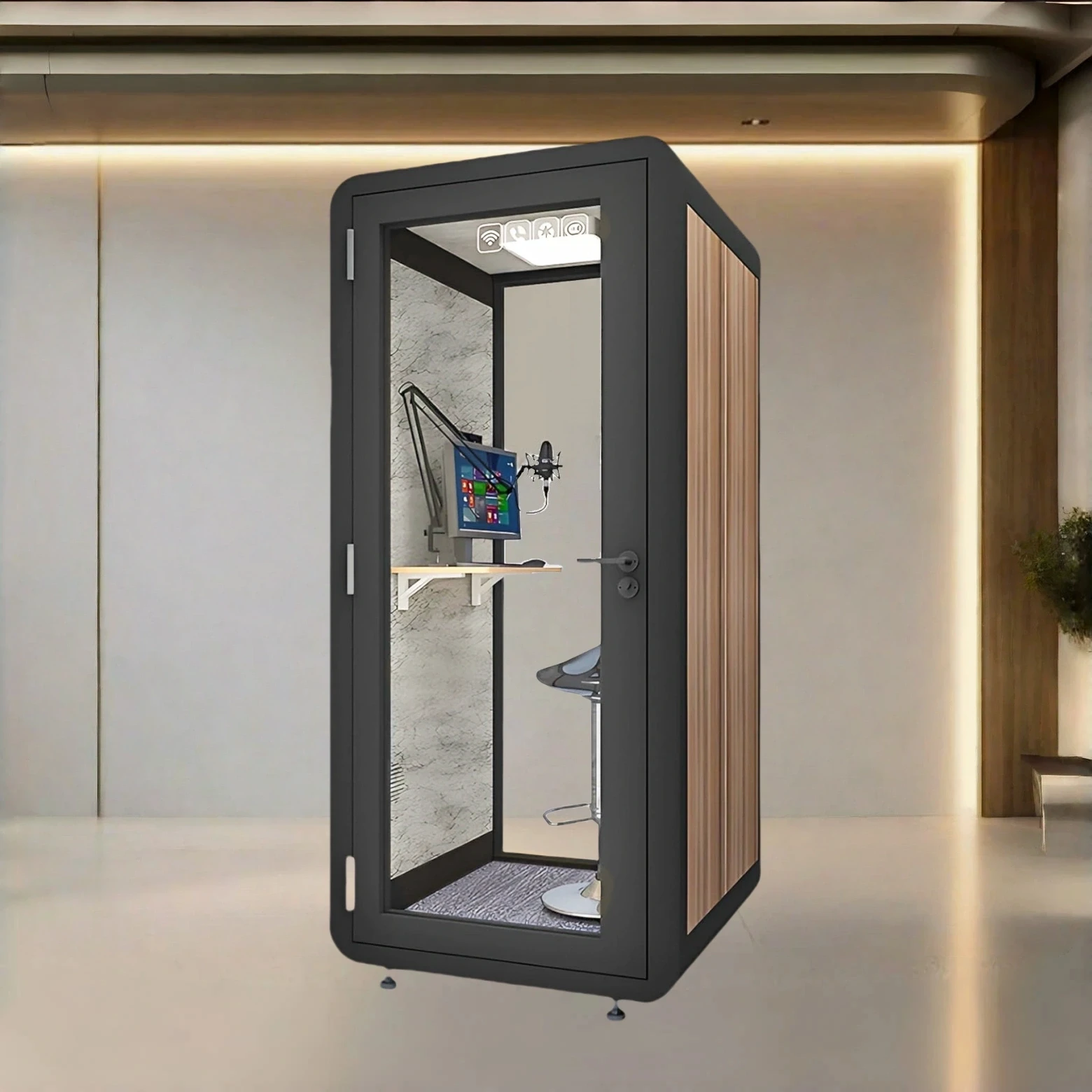
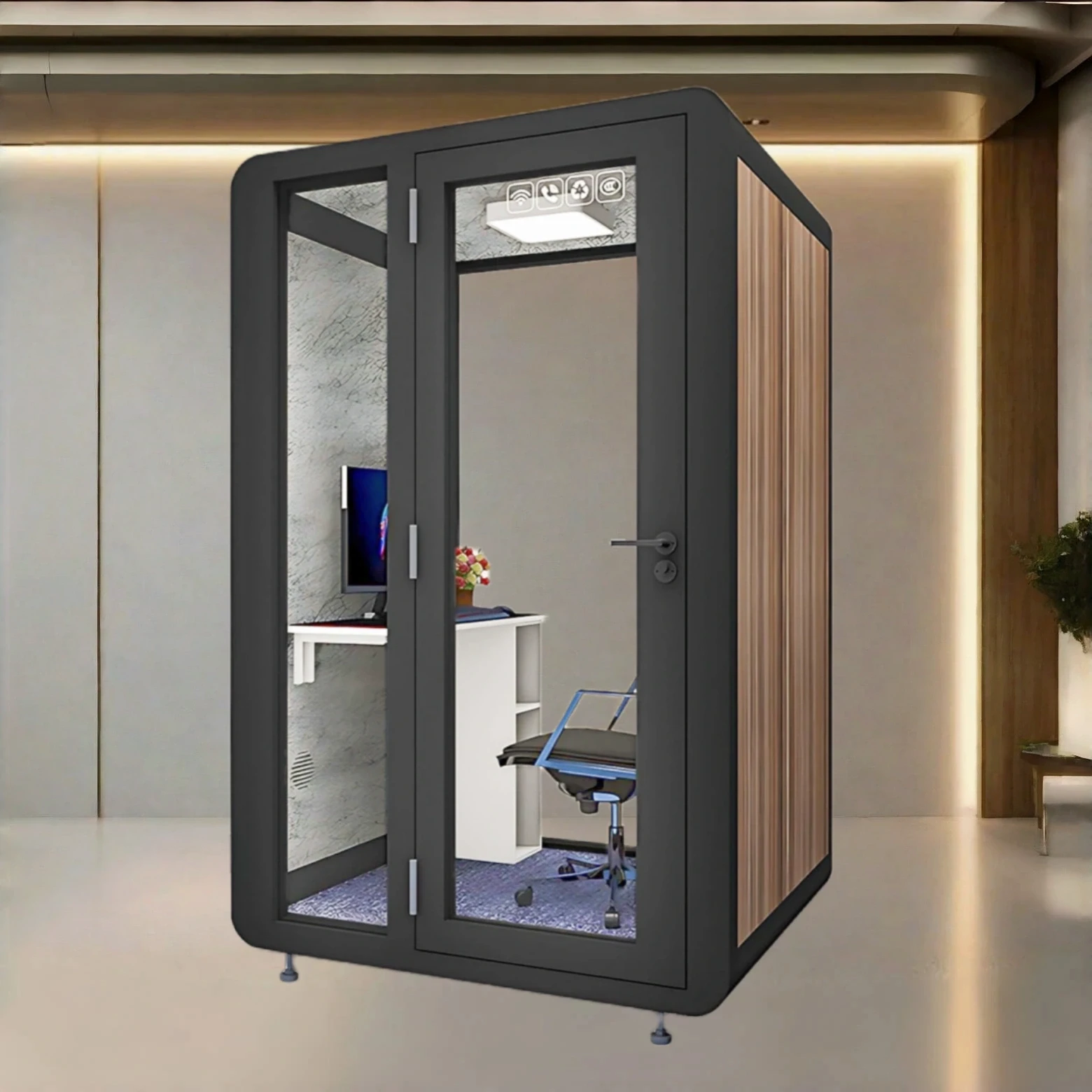
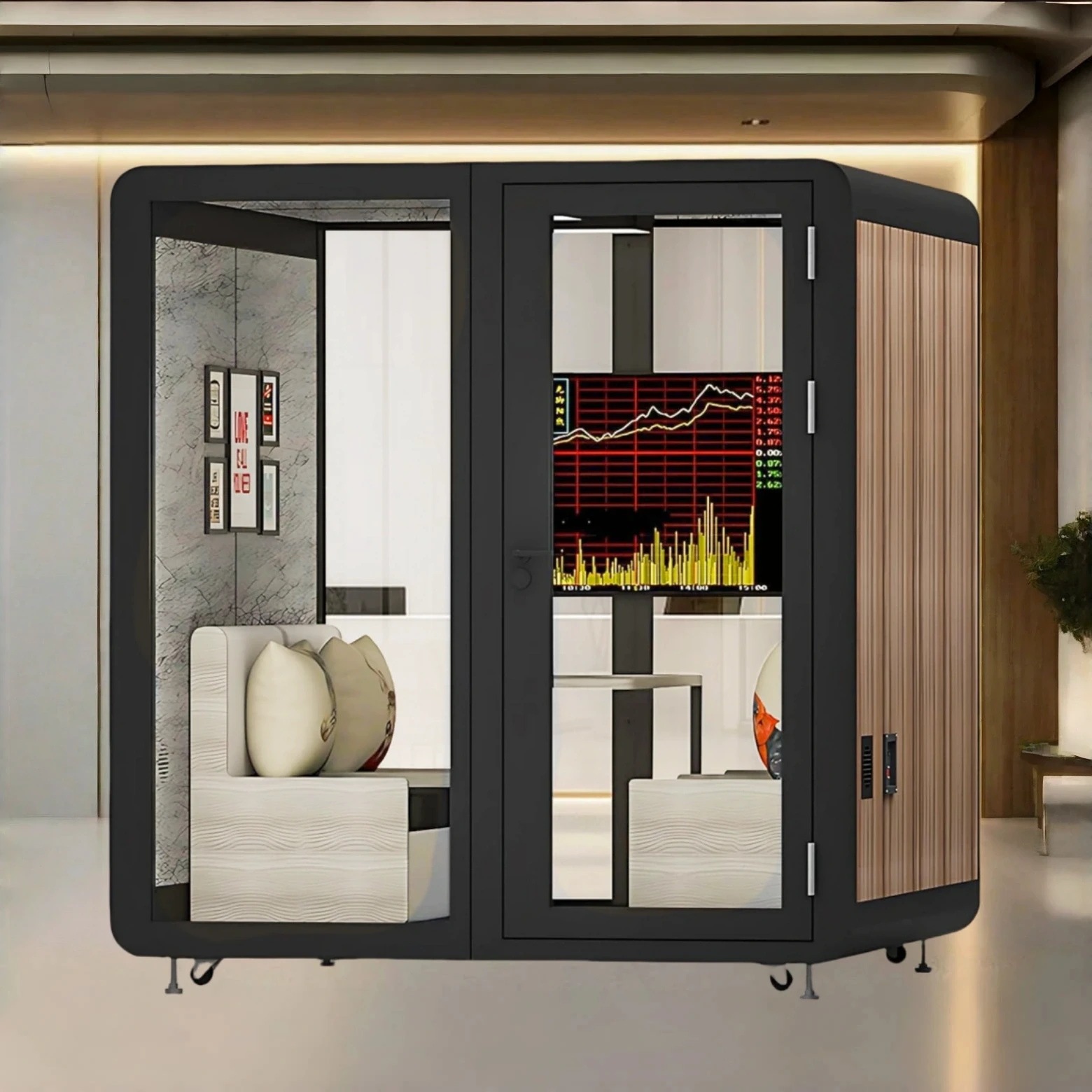
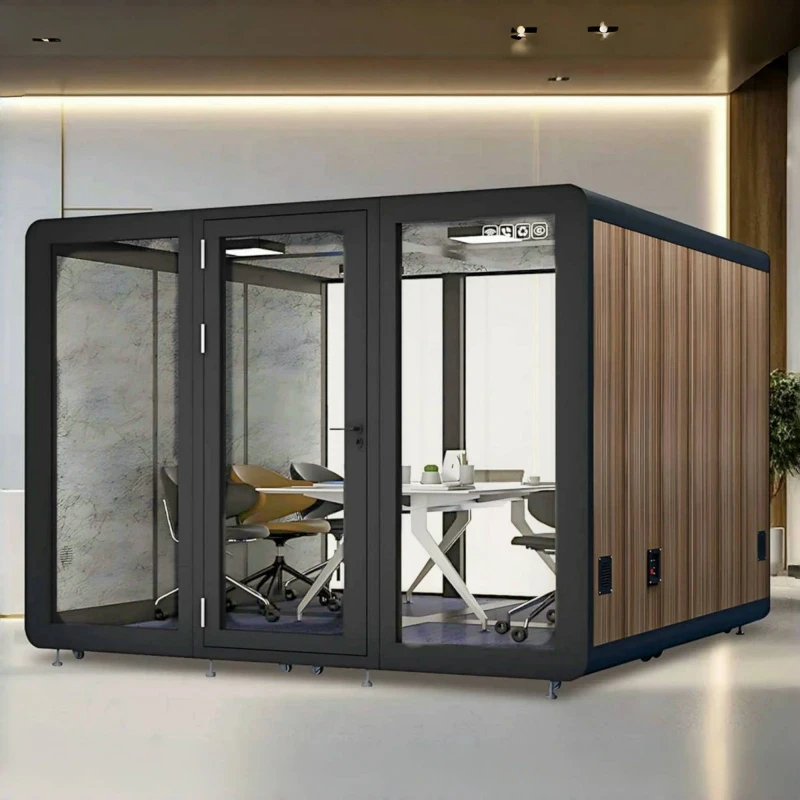
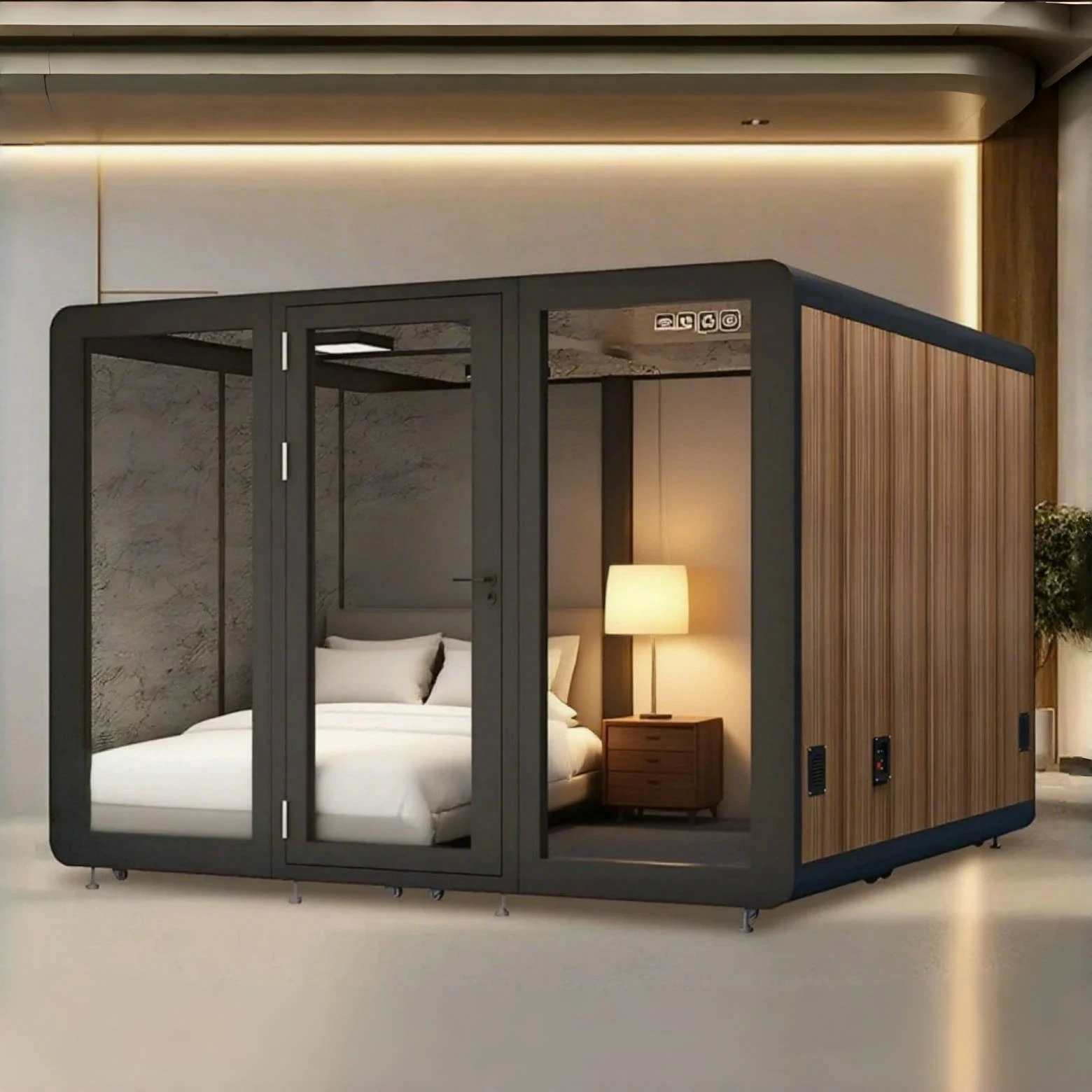


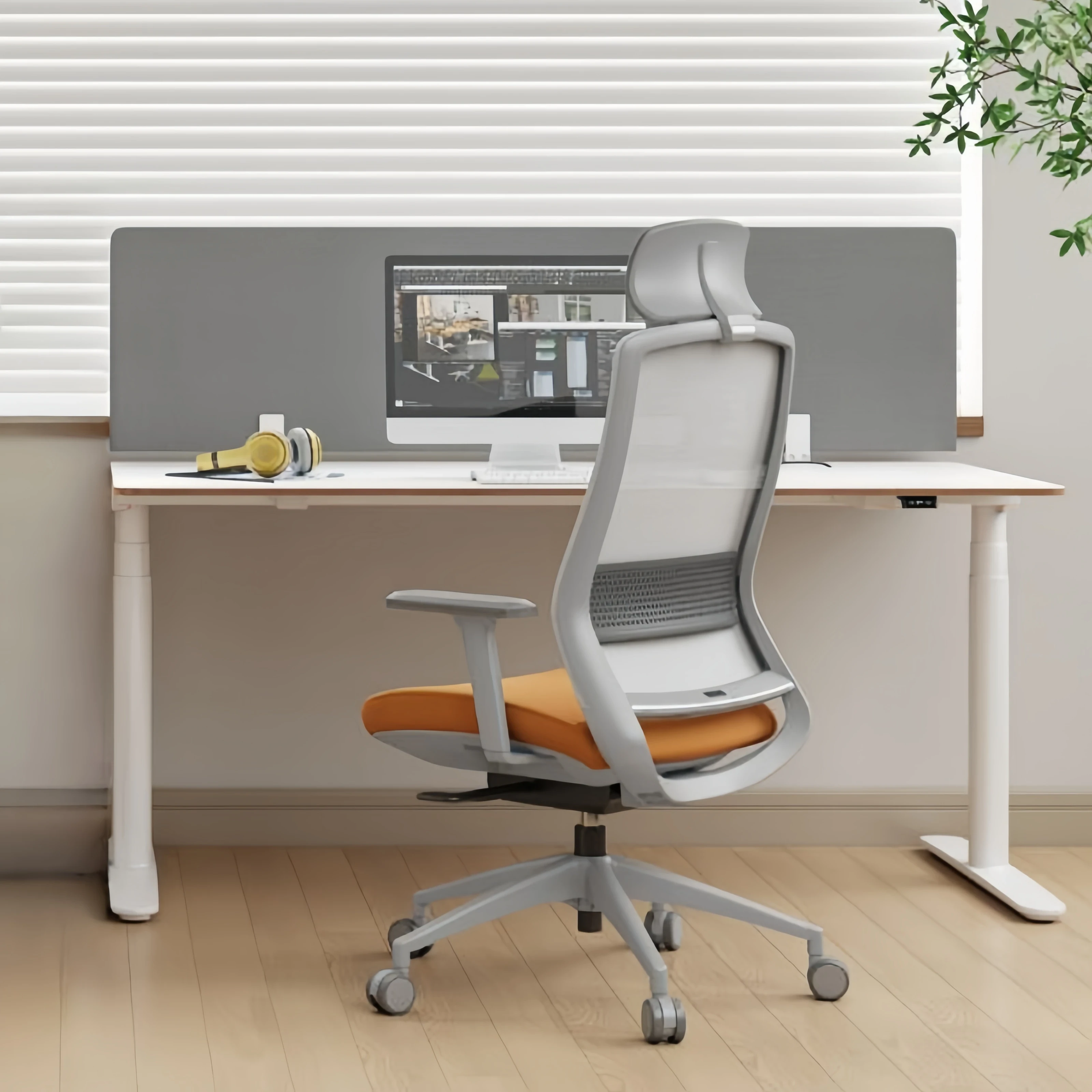


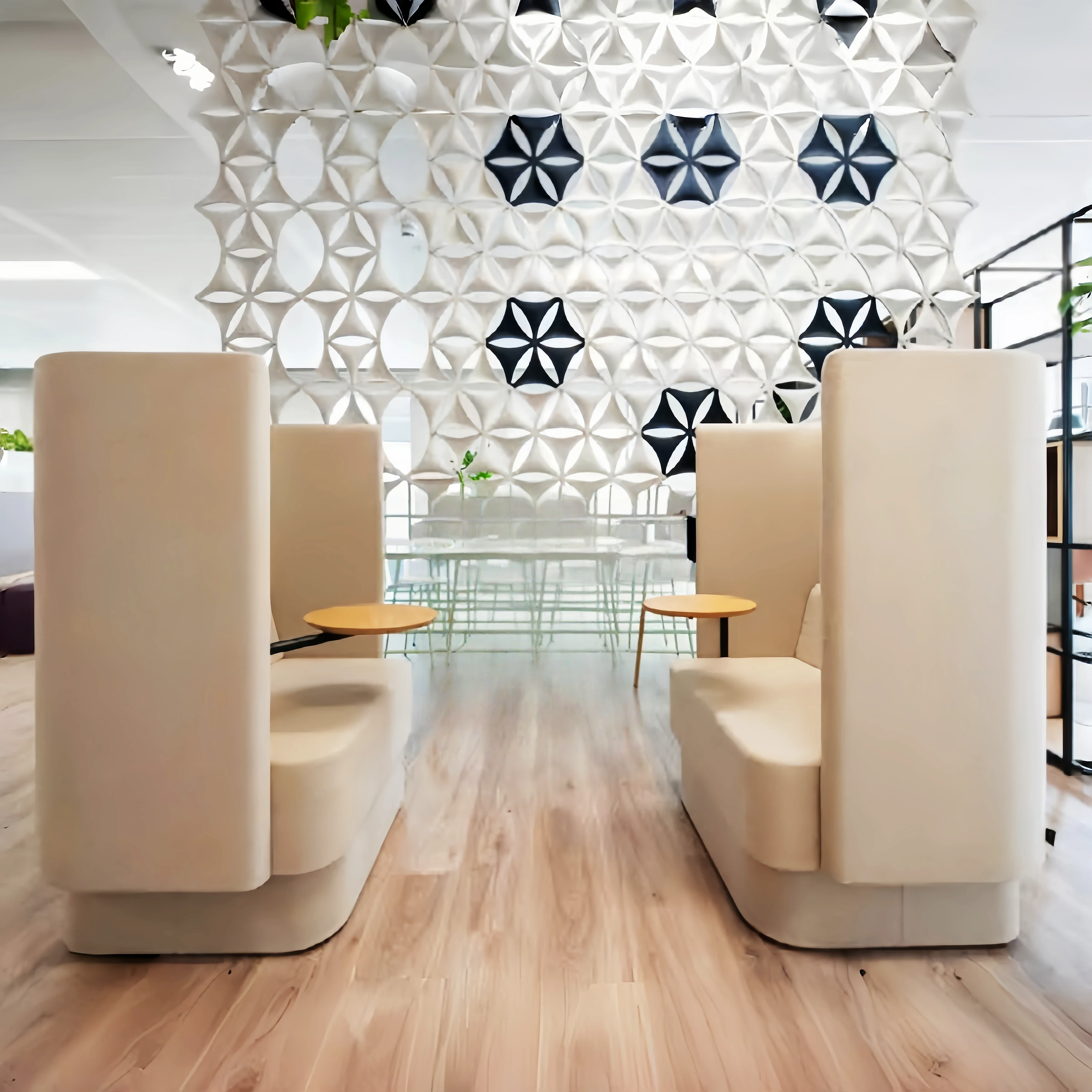

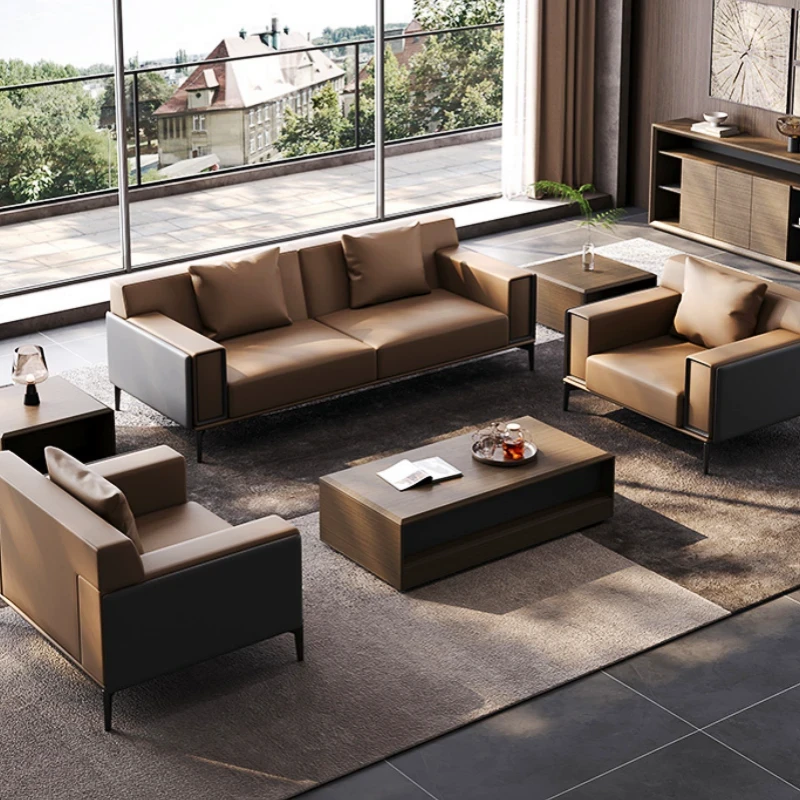
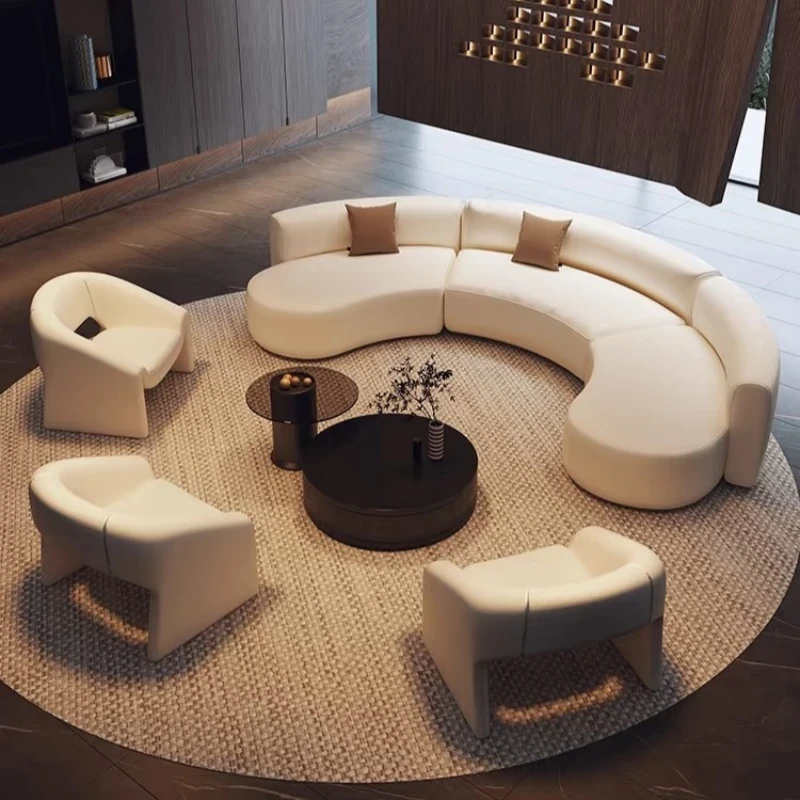
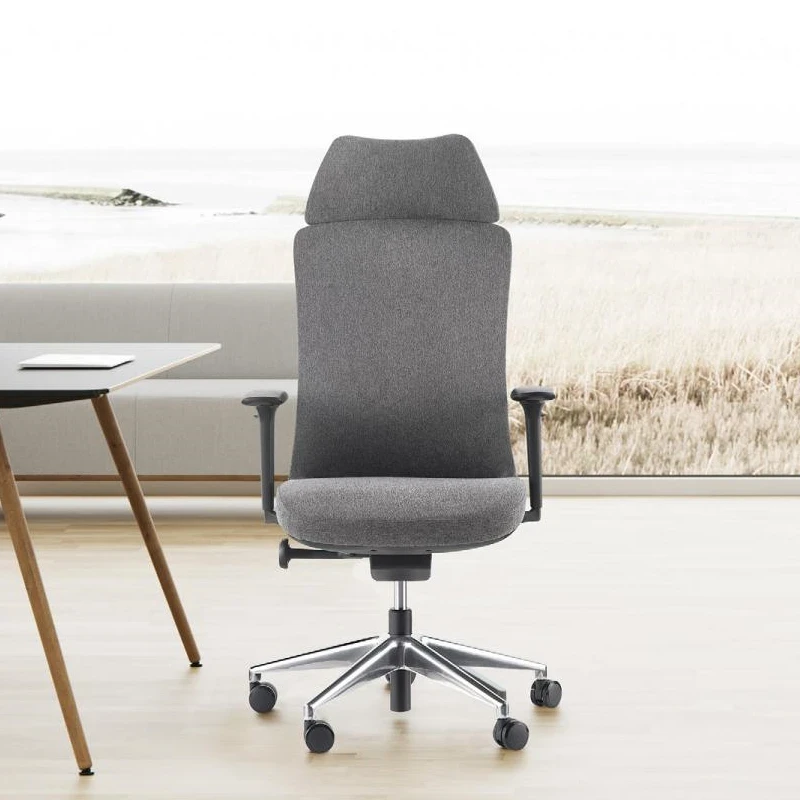


1. Functional Needs Analysis
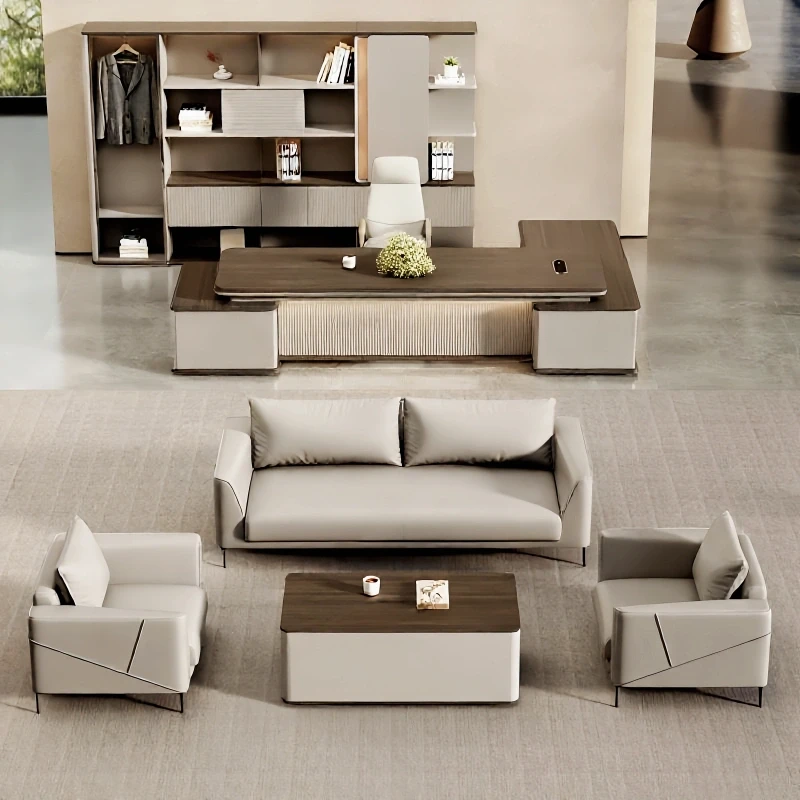
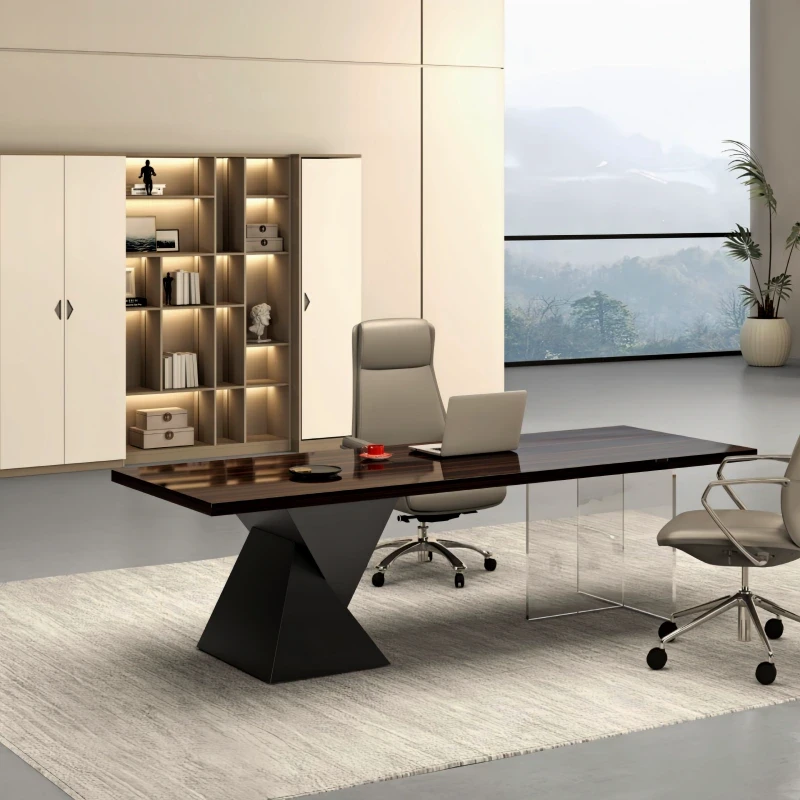
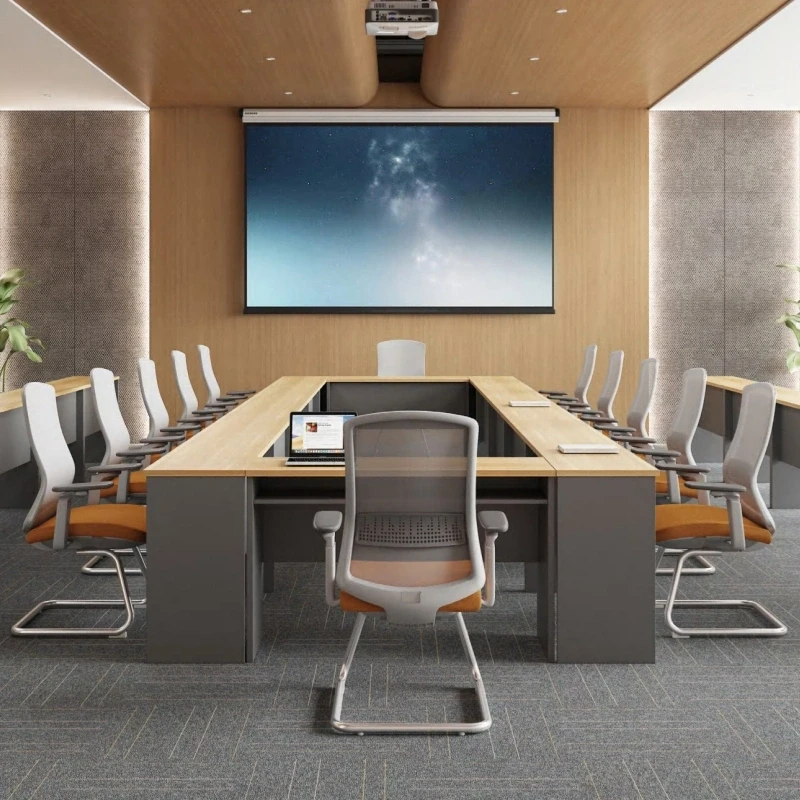
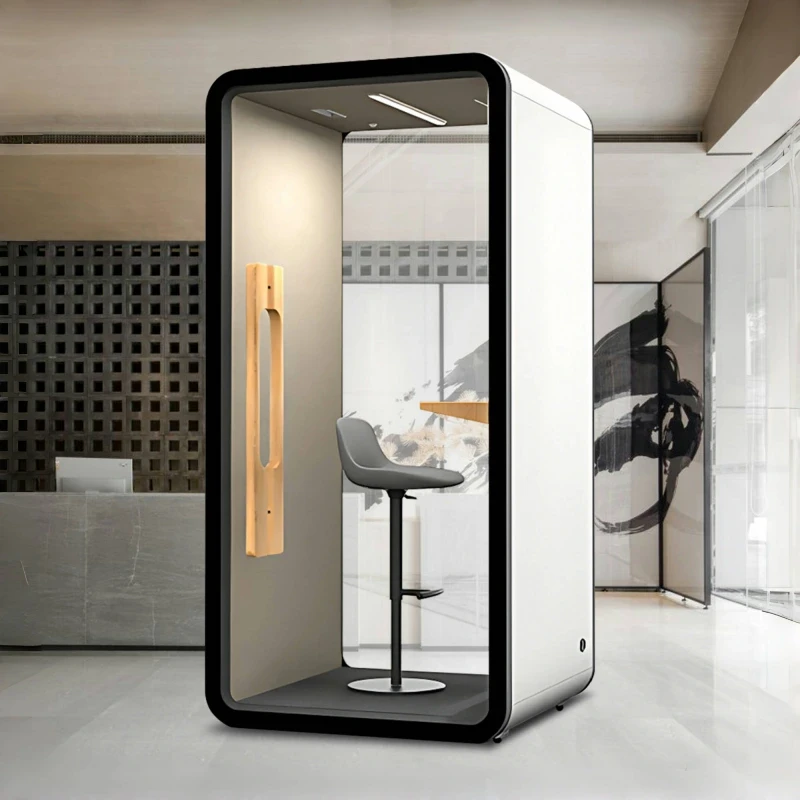
Before customizing office furniture, businesses first need to define the functional needs of their office area. For example, do they need open-plan offices, private meeting rooms, rest areas, storage space, etc.? Different functional areas have different requirements for the type, size, and layout of furniture. Detailed needs analysis helps designers develop furniture solutions that better suit actual use.
2. Space Layout Optimization
A reasonable space layout not only improves the utilization rate of the office area but also creates a good working atmosphere. Businesses should rationally plan the placement of furniture based on the actual area, shape, and natural lighting of the office area to ensure smooth traffic flow while avoiding overcrowding and resource waste. Customized furniture can be tailored to the specific conditions of the space to maximize its utilization.
II. Choosing Suitable Materials and Craftsmanship
1. Material Selection
The materials used in office furniture directly affect its lifespan, comfort, and aesthetics. Businesses should choose suitable materials based on their actual needs, such as wood, metal, glass, and plastic. High-quality materials are not only durable but also enhance the overall quality of the office environment. Furthermore, the selection of environmentally friendly materials is a focus for modern enterprises, contributing to a green office environment and aligning with the concept of sustainable development.
2.
High-Level Craftsmanship: High-level craftsmanship ensures the stability and aesthetics of furniture. Companies should choose suppliers with advanced production processes to ensure high standards in the details. For example, joining techniques and surface treatments directly affect the durability and visual appeal of the furniture. Exquisite craftsmanship not only enhances the quality of the furniture but also strengthens its overall value.
III. Ergonomic Design:
1. Comfort
: Ergonomic design is key to improving the comfort of office furniture. Ergonomically designed furniture effectively reduces employee fatigue from long hours of work and prevents occupational diseases. The height of chairs, the angle of backrests, and the height of desktops should all be designed according to ergonomic principles to ensure employees maintain good posture and comfort while working.
2. Adjustability:
In an office environment with significant individual differences, adjustable furniture better meets the needs of different employees. For example, height-adjustable office chairs and flexibly adjustable desktops not only improve the user experience but also increase the furniture's applicability and lifespan.
IV. Emphasis on Aesthetics and Brand Image:
1. Unified Style:
The overall style of office furniture should be consistent with the company's brand image and office environment. Whether it's modern minimalism, industrial style, or traditional style, a unified design language can enhance the overall aesthetics of the office space and strengthen the company's brand identity. When customizing furniture, companies should consider the consistency of color, material, and design style.
2. Personalized Design
While ensuring a unified style, appropriate personalized design can highlight the company's uniqueness. For example, furniture designs incorporating the company logo or distinctive elements can enhance employees' sense of belonging and identification. At the same time, personalized design can also showcase the company's innovative spirit and brand value.
V. Assessing the Supplier's Comprehensive Strength
1. Supplier Qualifications and Experience
Choosing suppliers with relevant certifications and rich experience is an important guarantee for ensuring the quality of customized furniture. Companies should examine the supplier's certifications, such as ISO quality management system certification, environmental certification, etc. At the same time, the supplier's successful cases and customer reviews in office furniture customization are also important bases for assessing its strength.
2. Design and R&D Capabilities
Excellent suppliers usually have professional design teams and strong R&D capabilities, and can provide innovative and practical design solutions according to the company's specific needs. The professional level and creativity of the design team directly affect the visual effect and user experience of the final furniture.
3. Production and Delivery Capabilities:
Companies should ensure that suppliers have stable production capacity and reasonable delivery cycles to complete orders on time and avoid disrupting office plans due to delayed delivery. The sophistication of the supplier's production equipment also directly affects the precision and quality of the furniture.
VI. After-Sales Service and Maintenance:
1. A Comprehensive After-Sales Service System:
Good after-sales service is a crucial factor in supplier selection. This includes services such as furniture installation, debugging, maintenance, and product replacement, providing timely support during furniture use to ensure long-term smooth operation.
2. Clear Warranty Policy:
Suppliers should provide clear warranty policies to guarantee the furniture's quality within a certain period. Understanding the warranty scope and process helps in quickly resolving problems and reducing inconvenience during use.
VII. Reasonable Budget and Cost-Effectiveness
: 1. Budget Control:
When customizing furniture, companies should develop a reasonable budget based on their actual financial situation. The budget should include not only the furniture purchase cost but also design fees, transportation costs, installation costs, and other expenses. Scientific budget control ensures the project proceeds smoothly within financial limits.
2. Cost-Effectiveness Analysis:
Companies should select the most cost-effective furniture solution while ensuring quality and service. Through multi-party price comparison and comprehensive evaluation, select furniture products that meet both needs and budget, improving the office environment without exceeding the financial budget.
VIII. Environmental Protection and Sustainable Development
1. Use of Environmentally Friendly Materials
Modern enterprises increasingly value environmental protection and sustainable development. Choosing environmentally friendly materials during furniture customization reduces negative environmental impacts and creates a healthy working environment for employees. Furniture products that meet environmental standards not only help companies fulfill their social responsibilities but also enhance their social image.
2. Sustainable Design
Sustainable design emphasizes the durability and recyclability of furniture. When customizing furniture, companies should consider the furniture's lifecycle design, choosing designs that are easy to maintain and upgrade, extending the furniture's lifespan, reducing resource waste, and achieving sustainable development goals.
IX. Technical Support and Intelligentization
1. Application of Smart Furniture
With technological advancements, smart furniture is gradually becoming a new trend in office furniture customization. Smart desks, smart conference tables, smart lockers, etc., provide a more convenient and efficient user experience. Companies should consider incorporating intelligent elements into their overall furniture design based on actual needs to improve office efficiency and employee satisfaction.
2. Technical Support and Training:
When introducing smart furniture, suppliers should provide corresponding technical support and user training to ensure that employees can skillfully operate and maintain the smart furniture and fully utilize its functional advantages.
Conclusion
Customizing office furniture is a systematic project involving multiple factors such as needs analysis, material selection, design aesthetics, and supplier evaluation. During the customization process, companies need to focus on key factors including office needs and spatial layout, materials and craftsmanship, ergonomic design, aesthetics and brand image, supplier capabilities, after-sales service, budget and cost-effectiveness, environmental protection and sustainable development, and technical support. Through comprehensive and detailed consideration, companies can develop the most suitable furniture customization solution to meet their specific needs, creating a comfortable, efficient, and brand-characteristic office environment, further enhancing employee motivation and overall corporate competitiveness.