
 USD
USD GBP
GBP
 EUR
EUR








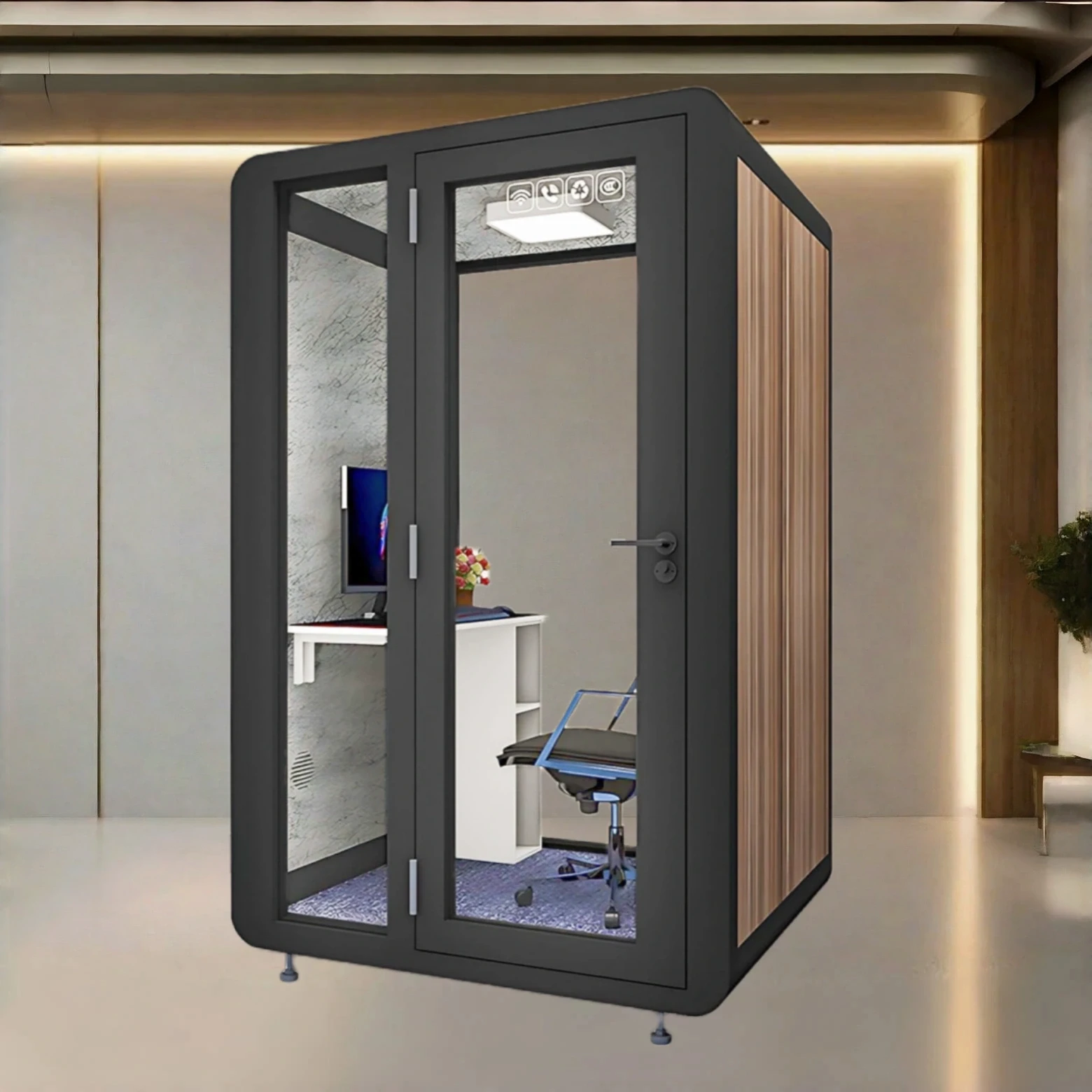





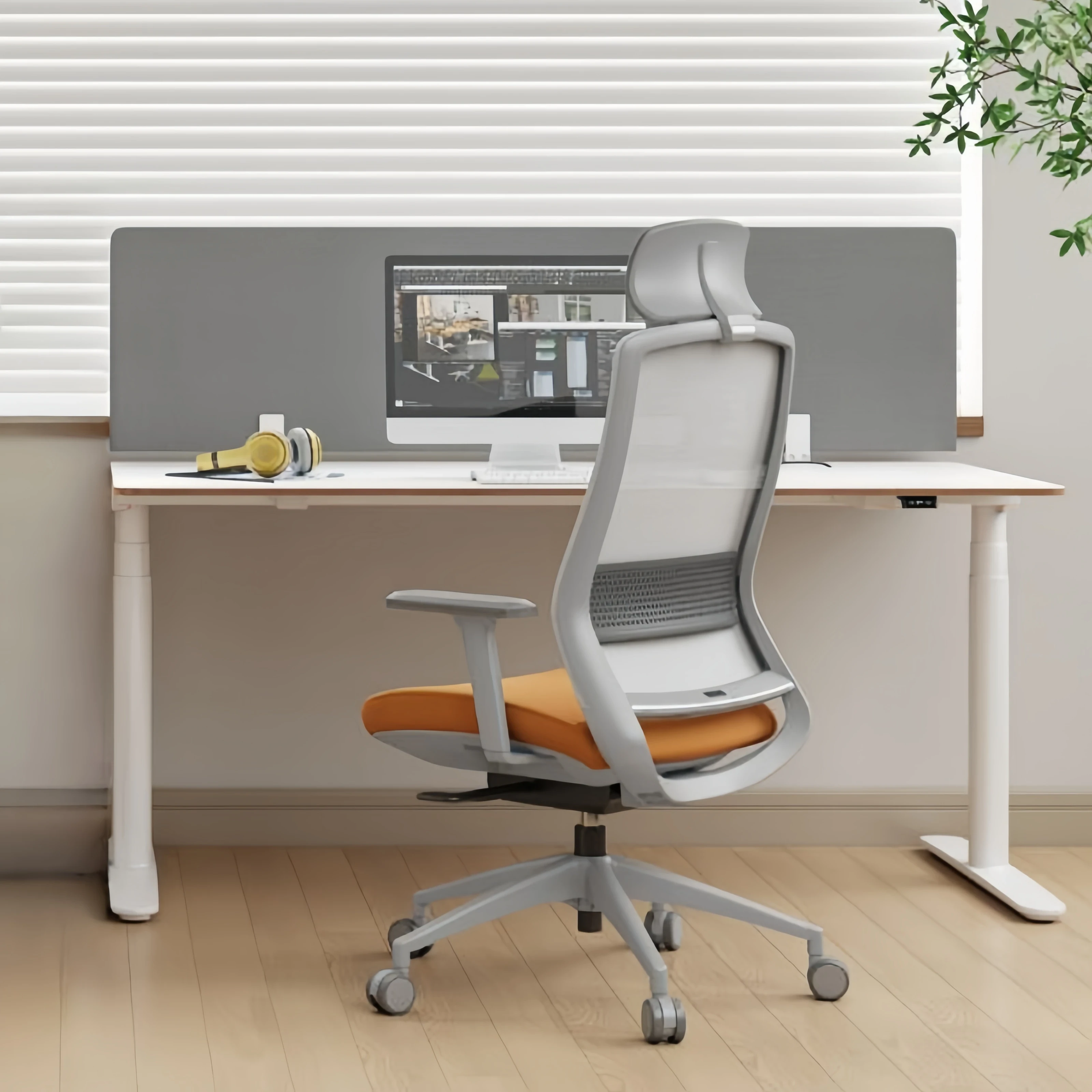





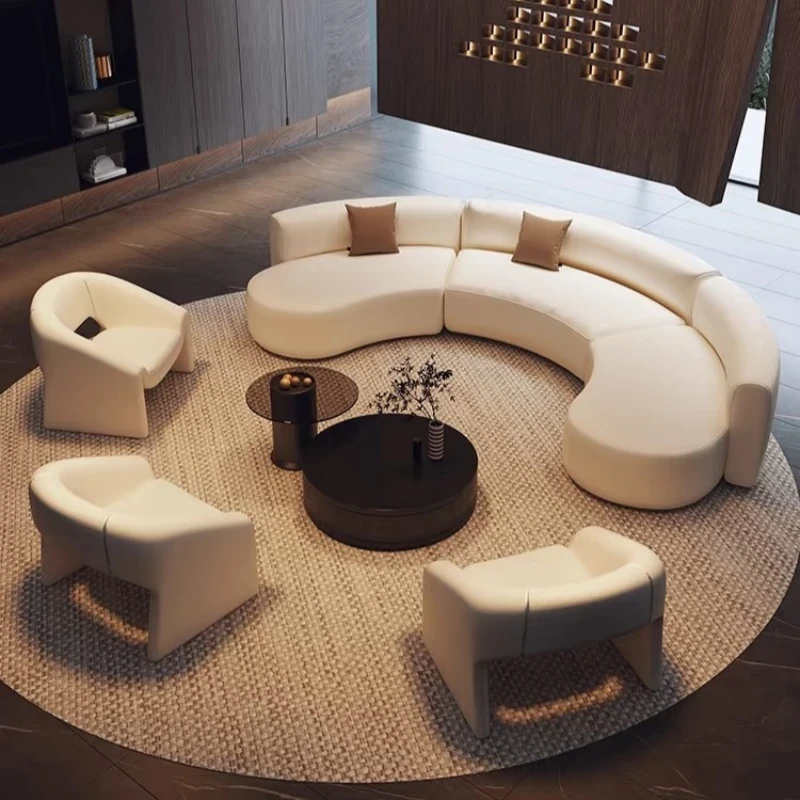
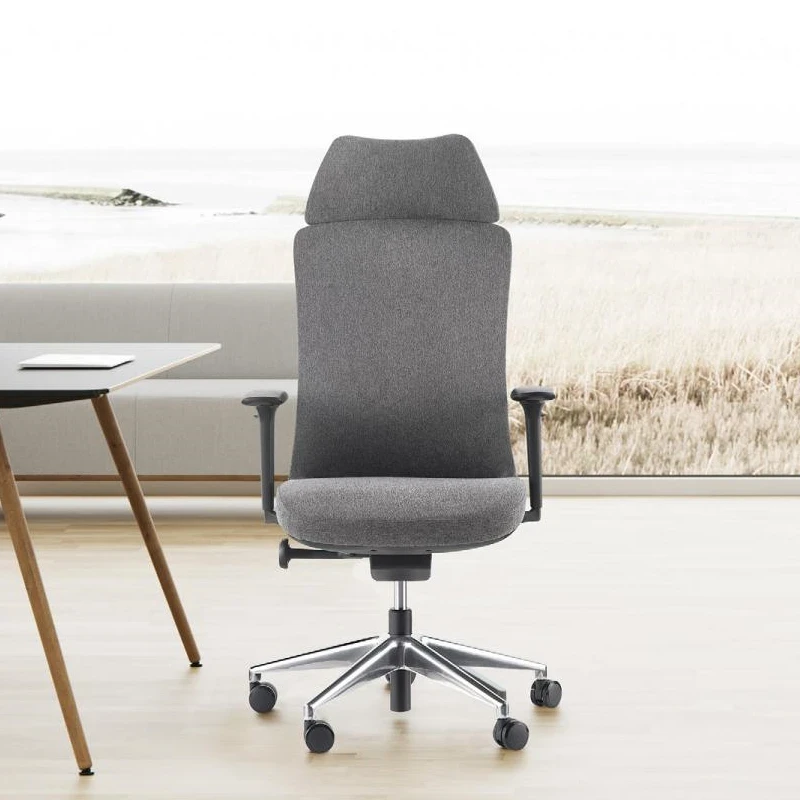


Furniture orders after the pandemic have surged even more than in previous years. Leather sofa manufacturers are seeing a flood of orders, with factory workers working day and night to meet deadlines. The rapid increase in export demand is mainly due to the shift to working from home among overseas consumers, which has led to a surge in demand for furniture, especially lounge chairs. Given this, one might assume the furniture industry is enjoying very high profit margins.
According to incomplete and unreliable statistics, the demand for vintage leather sofas and lounge chairs is relatively high. These interestingly designed leather sofas and lounge chairs, besides their inherent comfort and practicality, owe their appeal primarily to their unique shapes; innovation in furniture design adds to their aesthetic appeal. But where does the inspiration for these innovative furniture designs come from?
This section discusses one method of "innovation" in furniture products: gaining "inspiration" through international furniture exhibitions. However, due to the impact of the 2020 pandemic, the Milan International Furniture Fair, often referred to as the "Oscars" of the design industry, cancelled its 2021 exhibition. The cancellation of the Milan Furniture Fair, a trendsetter in the industry, sparked doubts among many in the furniture industry about the original creative capabilities of domestic companies. Some industry insiders even stated directly, "With the Milan Fair not being held, the original creative capabilities of Chinese furniture companies may be directly affected." This sounds terrifying. Comparing it to Huawei's chips, are our innovation capabilities really that poor? Are we Chinese really less intelligent than foreigners? No, that's not the case. So why is this the case?
I. The Homogenization of Genuine Leather Sofa Manufacturers
1. Decreased inflow of talent
On May 11th, the report of the Seventh National Population Census was released, confirming that China remains the world's most populous country. However, according to Zeng Yuping, chief economist of the National Bureau of Statistics, compared to 2010, my country's working-age population (16-59 years old) decreased by more than 40 million in 2020. This seems to have little to do with the furniture industry; it's only 40 million.
In fact, on the one hand, the labor force has decreased by 40 million, and on the other hand, with economic development, the demographic dividend is shifting towards non-manufacturing employment. These combined factors have exacerbated the shortage of general workers and highly skilled technicians needed in the furniture and home furnishing manufacturing sector. And talent is the foundation of innovation, so wouldn't you say this is a significant factor?
2. Excessive blind imitation
Blindly following and imitating others stems from the Chinese people's tendency towards short-sightedness and profit-seeking. Coupled with a rapidly developing economy, most people prefer to obtain the highest profits in the fastest way possible, the so-called "quick, easy, and profitable" approach. Some genuine leather sofa manufacturers can easily gain a share of the market by simply copying the styles, craftsmanship, functions, and even materials of popular products. Furthermore, as long as there is enough capital, one can start a factory, with low barriers to entry, regardless of whether one has a professional team.
These opportunists have created a chaotic situation in the furniture industry. There's a lack of respect for intellectual property protection, leading to a vicious cycle of copying and being copied. Once a so-called "blockbuster" product emerges, everyone rushes to create it, lacking long-term planning and strategy.
The pursuit of profit is understandable, but infringing upon the interests of original creative teams in the process is highly inappropriate. This isn't just true in the furniture industry; it's true in all walks of life. Shouldn't this be a cause for reflection for all Chinese people? Why is it that in times of poverty and hunger, people were more able to focus on creation or developing new products, while now that living conditions are better, our bodies have become more robust, but our minds have become less so?
It's profound and thought-provoking. My brain doesn't have enough memory; if I think about it any deeper, it might crash. Perhaps time will tell.