
 USD
USD GBP
GBP
 EUR
EUR
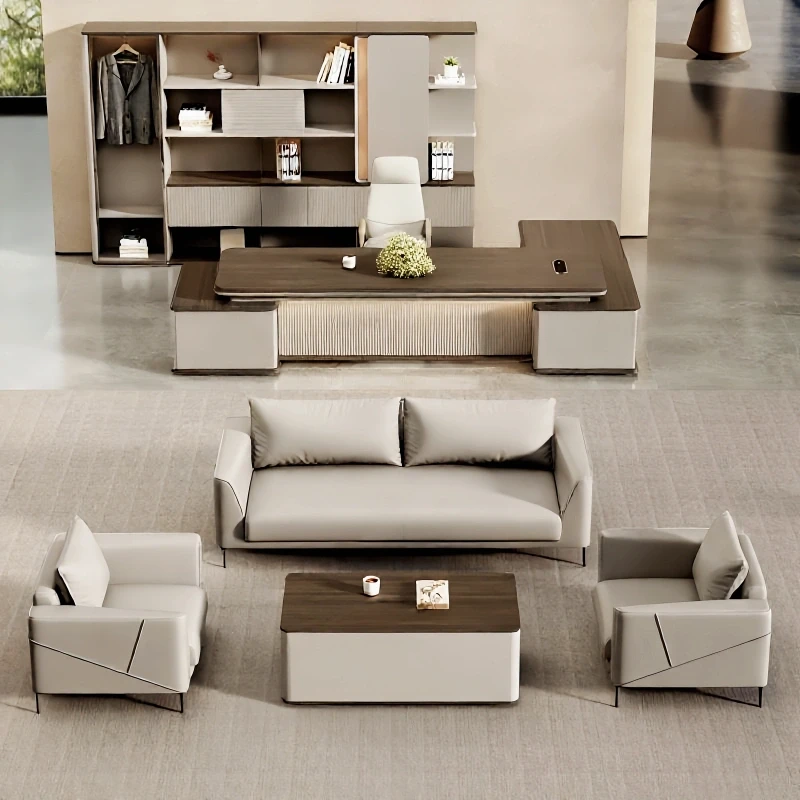
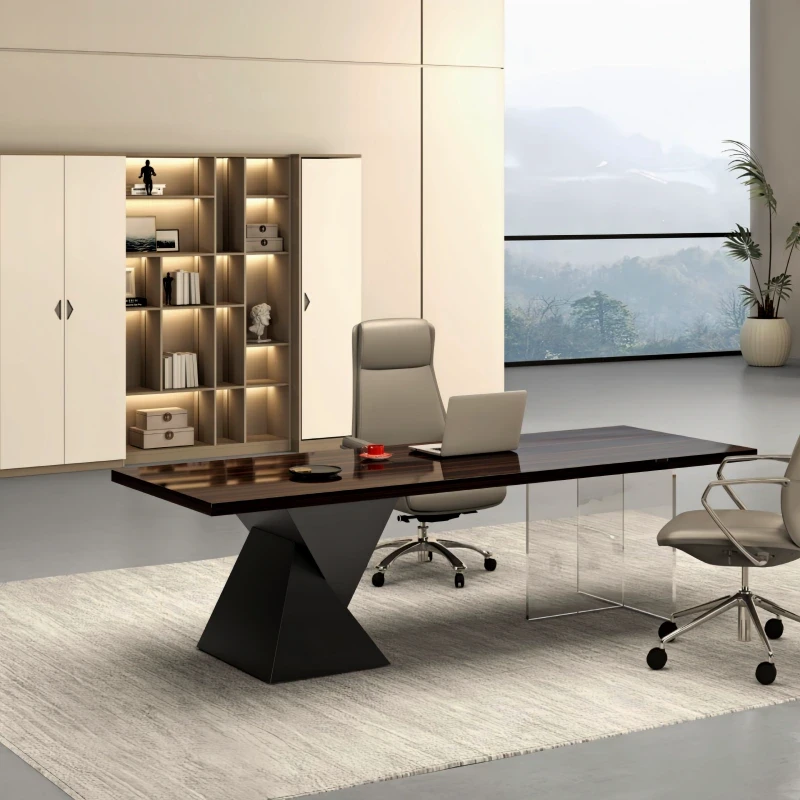


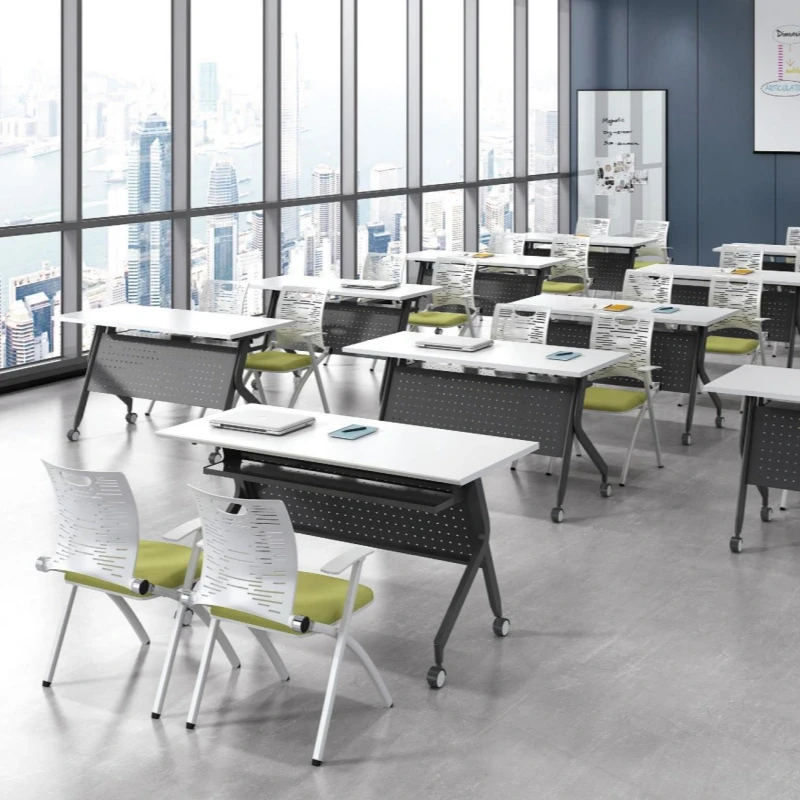







The Feng Shui Considerations for the Orientation of Office Desks
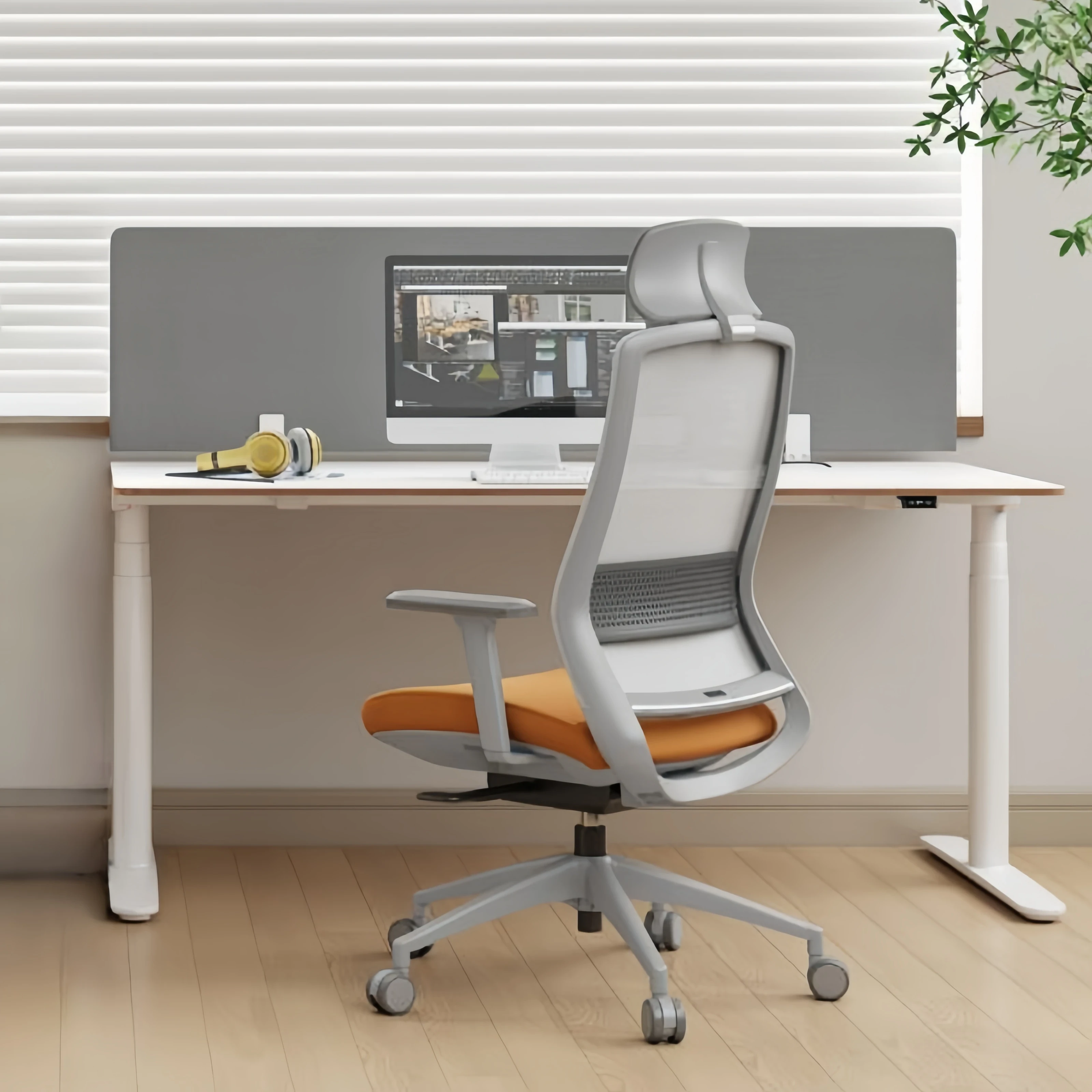
Choosing the right desk is important. Most desks today are made of wood, but for someone whose birth chart indicates an aversion to wood, using a wooden desk can be unlucky. We can choose a desk that is beneficial to our birth chart's elements. If there aren't many options in terms of material, we can compensate by choosing a desk with the right color and style.
Avoid sitting too close to a wall. The eyes are behind you to capture more information; if your seat is too close to the wall, you won't be able to see the people and things around you, which can create subconscious unease and affect your mental state.
It's not advisable to sit directly opposite the main entrance, as it's the entry and exit point for airflow and energy in the entire office. If your seat is directly facing the entrance, you'll be affected by the incoming energy, easily impacting your subconscious and mental state, potentially leading to a volatile temper or unexplained illness. A screen or plant can be placed at the entrance as a remedy.
From a Feng Shui perspective, the first principle of good Feng Shui is "mountains surrounding and water embracing," meaning that having a mountain in front for support brings prosperity, and water flowing behind brings wealth. Therefore, a seat should have a solid backing to benefit the employee's career. In an office, this "backing" is a wall; the seat should be as close to the wall as possible, with minimal space between them. (Analysis of Office Seating Orientation Feng Shui)
(1) There should be a backrest (wall or cabinet) in front of the seat. Do not sit with your back to a door or aisle. The back of the head is the brainwave radiation area and one of the most sensitive parts of the human body to the energy field. Therefore, it is best to have a fixed and immovable object in front of the seat. If people are walking in front of you, it is easy to lose concentration and unconsciously shift some attention to the back of the head. Over time, this will consume energy and affect work efficiency and health.
(2) Seats should not face the main entrance directly. Since the main entrance is the entry and exit point for airflow and energy in the entire office, if a seat faces the main entrance, it will be affected by the energy field entering the room, which can easily affect a person's subconscious and mental state, leading to a fiery temper or unexplained illness. A screen or plant can be placed at the entrance as a way to resolve this.
(3) The seat should not be too close to the wall (insufficient buffer zone). Human eyes are located at the back to capture more information; if the seat is too close to the wall, one cannot see the people and things around them, which can cause subconscious unease and affect the nervous system.